

You have learned what kundalini is, and you understand the foundational practices. Now comes the question that matters most: what actually happens during kundalini awakening? What are its stages, which symptoms indicate genuine activation rather than imagination, and why is it sometimes called dangerous when approached carelessly? This guide answers those questions with unusual depth and honesty — no sugar-coating, no fear-mongering, just practical wisdom for navigating one of consciousness’s most profound experiences.
01What Kundalini Awakening Actually Is

In concrete terms, kundalini awakening is the activation of dormant evolutionary energy residing at the base of the spine, followed by its ascent through the central channel, or sushumna nadi, progressively activating and transforming each chakra as it rises toward the crown. This is not metaphor — it is an actual, felt experience. When kundalini awakens, it does not stay dormant. It moves, and as it moves, it transforms everything it encounters: physical structure, emotional pattern, mental construct, and consciousness itself.
Dr Stanislav Grof, the psychiatrist and consciousness researcher who has studied thousands of cases, writes in The Stormy Search for the Self that “in its milder form, kundalini awakening can be confused with arousal of sexual energy, but in full-blown form it represents an incomparably more powerful experience, involving every aspect of one’s being.”
It is worth being equally clear about what awakening is not. It is not enlightenment itself — awakening initiates a process, while enlightenment is sustained realisation. It is not always blissful; purification can be genuinely challenging, even painful, as old patterns release. It is not instant — the process unfolds over months, years, sometimes decades. It is not a sign of spiritual superiority, since it can happen to entirely unprepared people, creating real difficulty rather than benefit. And it is not under ego control; you do not simply decide to have it, or decide when it ends.
02Spontaneous vs Cultivated Awakening
Kundalini awakening happens in two primary ways. Cultivated awakening occurs through dedicated spiritual practice — years of consistent meditation, pranayama and energy work, kriya or tantric practice, guidance from qualified teachers, and genuinely intentional preparation. It tends to progress gradually and manageably, with support structures already in place and some real understanding of what is happening as it unfolds. The advantage is that you develop capacity as the awakening itself develops — like training for a marathon before you actually run it.
Spontaneous awakening happens without deliberate preparation — triggered by a near-death experience, intense trauma or crisis, childbirth, a powerful emotional experience, a psychedelic experience, transmission from an awakened teacher, or sometimes no identifiable reason at all. It tends to be sudden and potentially overwhelming, without context to understand it and without an established support system already in place. The challenge here is experiencing profound transformation without the container to hold it — like running the marathon with no training at all.
Bonnie Greenwell, PhD, a transpersonal psychologist specialising in spiritual emergence, explains in The Kundalini Guide that “spontaneous awakenings can be more challenging because people lack the framework to understand what’s happening. They may seek psychiatric help, believing they’re having a mental breakdown, when they’re actually experiencing a spiritual emergence.” Neither path is objectively better; each simply asks something different of the person going through it.
03Is Kundalini Awakening Rare?
The honest answer depends entirely on how you define ‘awakening’. Minor activations are extremely common — many practitioners experience occasional energy sensation, brief states of expanded awareness, spontaneous kriyas during practice, or temporary heightened intuition, though these partial awakenings often go unrecognised for what they are. Significant risings, where energy reaches the heart or throat chakra with sustained altered awareness and noticeable life change, are moderately common. Complete awakening — energy reaching the crown chakra, sustained samadhi, a genuinely permanent shift in consciousness and full life reorganisation — is genuinely rare.
But rarity is largely beside the point. The relevant question is not ‘is this rare’ but ‘am I experiencing kundalini activity, and how do I work with it skilfully’. Whether your own experience is subtle or dramatic, the same principles of grounding, integration and wise navigation apply equally.
04The Five Stages of Awakening
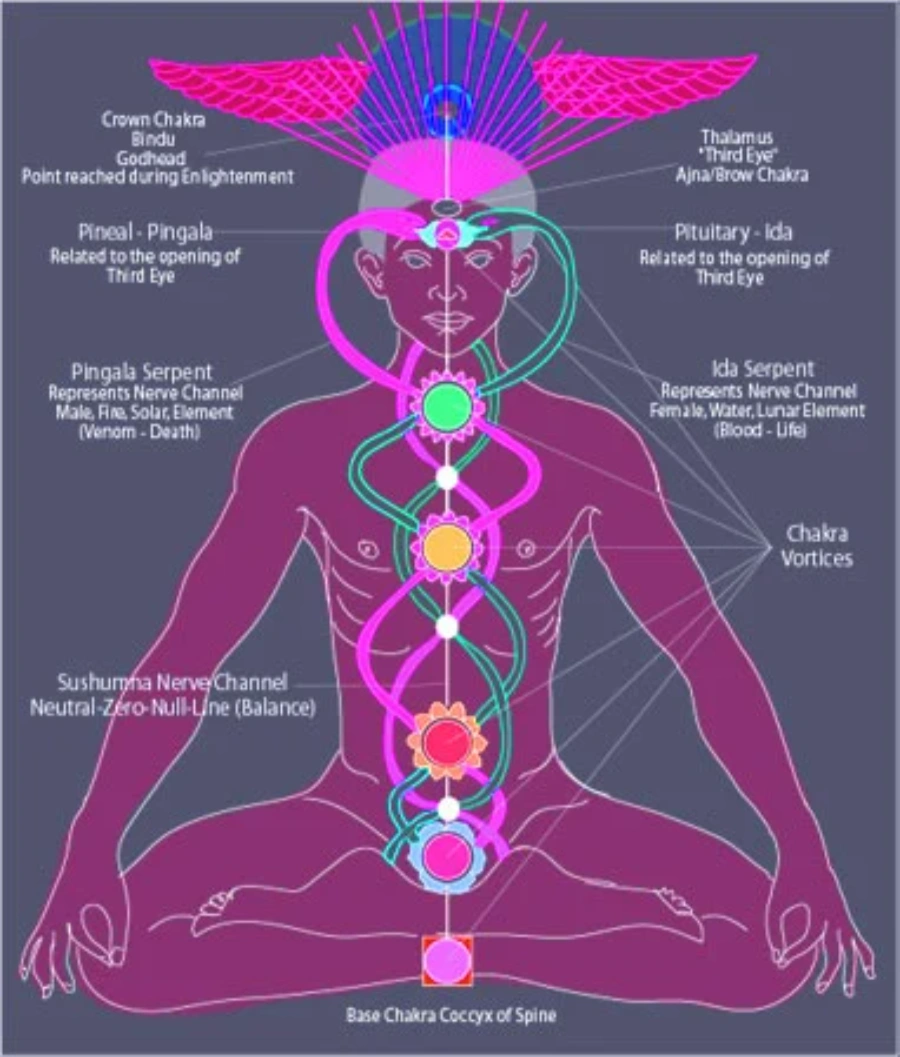
While every journey is unique, traditional teaching and modern experience together reveal a general pattern. Understanding these stages helps you recognise where you actually are, know roughly what to expect next, avoid rushing ahead prematurely, and seek the right support at the right phase.
Stage one, preparation and purification (typically months to years), builds the foundation — strengthening the channel before high voltage runs through it. The body becomes more flexible and resilient as the nervous system strengthens through pranayama; diet often shifts naturally toward lighter food; sleep changes; suppressed emotion surfaces for processing; old relationship patterns become visible; thought patterns become more apparent and beliefs get questioned; and the subtle body grows more sensitive, with energy felt in the hands, spine or chakras as the nadis begin clearing. Signs you are here include increased sensitivity to energy, spontaneous lifestyle change, deep emotional processing and a growing pull toward spiritual practice. The right response is simple: establish a daily practice of even twenty to thirty minutes, clean up the diet, and actively process emotion through therapy, journaling or somatic work rather than letting it simply build.
Stage two, initial activation (typically days to weeks), is usually unmistakable — you know something significant is occurring. Physically, this can bring heat or tingling at the base of the spine, electricity-like sensation along it, spontaneous kriyas, sudden changes in breath, vibration through the body, and waves of energy rising. Emotionally, intense feeling can arise seemingly from nowhere — waves of bliss, temporary anxiety, overwhelming love, sudden crying or laughter. Mentally, thoughts may race or fall completely silent, with spontaneous insight, perceptual shift, and a distorted sense of time. Energetically, some people see light or colour with their eyes closed, or become aware of the chakras directly. The right response is to stay grounded through earth-element practice — walking barefoot, gardening, grounding food — maintain your ordinary routine despite the intensity, moderate rather than intensify your practice, and rest more deeply than usual while your system integrates.
Stage three, rising through the chakras (typically months to years), sees kundalini rise gradually rather than rushing to the crown, activating and purifying each centre in turn. At the root, survival fear and financial anxiety often surface before a deep sense of safety and trust in life emerges. At the sacral, sexuality and pleasure-guilt dynamics surface before healthy pleasure and creative flow return. At the solar plexus, power and control patterns become visible before genuine personal power and healthy boundaries form. At the heart, old heartbreak releases — alongside physical sensations like chest opening or heart palpitations, which are usually benign but always worth checking with a doctor — before a deeper, steadier capacity for love and forgiveness settles in. Each centre, in other words, asks you to meet exactly what it has been holding.
Stage four, crown opening and integration (typically weeks to months), brings kundalini to the crown chakra, or sahasrara, producing experiences many describe as the most significant of their lives — dissolution of the separate self, union with something larger, overwhelming bliss, complete peace beyond words, and time and space losing their usual grip. The real challenge at this stage is rarely the peak experience itself but the integration afterward: how do you function normally after something like this? Adyashanti, the contemporary teacher, warns in The End of Your World that “after spiritual awakening, the integration process can be more challenging than the awakening itself. People often struggle to bring their realization into everyday life.” The response is to ground intensively, stay embodied despite the pull toward transcendence, process what happened through writing or conversation with people who understand, keep your existing practice rather than abandoning it, resist the temptation to use bliss as an escape from ordinary responsibility, and be patient — a peak experience is not the same as a permanent realisation.
Stage five, stabilisation and embodiment (months to years, sometimes a lifetime), is where the dramatic intensity finally settles and what remains becomes sustainable. Energy flows without effort, awareness stays somewhat expanded during ordinary activity, wisdom quietly guides decisions, emotional reactivity drops significantly, and compassion arises more naturally. This is not permanent bliss, freedom from challenge, or spiritual superiority — life continues, emotion still arises, humility if anything deepens. It is sustainable peace, responsive rather than reactive living, and embodied wisdom that keeps unfolding rather than a finish line. Traditional 300-hour and 500-hour teacher training often includes teaching on exactly this post-awakening integration, and many practitioners also draw on Ayurveda courses, recognising that constitutional balance genuinely supports sustainable integration.
05Physical Symptoms

Physical symptoms accompany awakening frequently, and understanding them helps distinguish genuine kundalini activity from a medical issue — always rule out medical causes first, since these symptoms can indicate either. Common physical signs include heat or tingling along the spine or through the body, electric sensation, vibration or buzzing, pressure at the chakra points, and involuntary movement, or kriyas — spontaneous poses, shaking, head movement, spontaneous mudras or vocalisation. Breathing can change on its own, with automatic pranayama or breath spontaneously pausing. Temperature regulation can shift unexpectedly, sleep needs can drop or shift toward waking at a specific hour, and senses can sharpen — more sensitivity to light and sound, or seeing light and colour that isn’t externally there.
Seek medical attention immediately for chest pain lasting more than a few minutes, a severe headache unlike any before, persistent heart palpitations, difficulty breathing, fainting, or severe abdominal pain — none of these should simply be assumed to be spiritual. For genuine kundalini-related physical symptoms, grounding practice helps most: walking barefoot, cold showers, heavier root-vegetable meals, and slower, more stable practice such as sessions in a Yin yoga class.
06Emotional and Psychological Effects
Kundalini does not stop at physical sensation; it moves through emotion and psychology just as directly. Intense feeling can surface — overwhelming love or bliss, deep sadness or grief, inexplicable joy, waves of compassion, or sudden anxiety — alongside spontaneous crying, bubbling laughter, or old childhood memory returning vividly. Relationships shift too: it can become harder to relate to people who don’t understand what is happening, old friendships can be outgrown, and new connections often form around genuine spiritual resonance instead.
Psychologically, identity itself can feel questioned, old self-concept dissolving as new values emerge, sometimes alongside real clarity of purpose and sometimes real confusion. Reality can feel dreamlike, social conditioning becomes visible for what it is, and repressed material surfaces demanding integration rather than staying buried. Stanislav Grof documents in Psychology of the Future that “spiritual emergencies involving kundalini often include intense emotional and biographical material. What might appear as regression or breakdown is actually the psyche’s attempt to heal and transform.” Navigating this well means allowing the process rather than suppressing it, creating a safe container for release through therapy, journaling or trusted friends, and remembering that however intense, it is genuinely temporary.
07Mental and Cognitive Changes
Kundalini affects thinking, perception and cognition significantly. The mind can grow very quiet or very loud, thoughts can lose their usual compelling pull as an observer consciousness develops, and concentration on mundane tasks can genuinely suffer even as focus on meaningful topics sharpens. Intuition often strengthens noticeably — knowing something without knowing how, accurate hunches, sensing others’ emotion, or synchronicity increasing. Altered states can appear spontaneously, with time distorting and awareness feeling simultaneously grounded and expansive.
It matters to distinguish a genuine spiritual emergency from a mental health crisis, since the two can look similar from the outside. A spiritual emergency typically sits within the context of spiritual practice, includes positive experience alongside the difficult, and the person usually retains some awareness that this is a process; it generally responds to spiritual practice and grounding. A mental health crisis may have no spiritual context at all, is predominantly distressing, involves losing touch with reality, and requires psychiatric intervention rather than grounding alone. The genuinely difficult case is that both can occur simultaneously — someone can be having a real kundalini awakening and still need mental health support at the same time, and neither explanation should be used to dismiss the other.
08Spiritual and Energetic Experiences

Beyond the physical, emotional and mental, kundalini creates experience that is distinctly spiritual in character — unity consciousness, a direct sense of sacred presence in ordinary moments, timeless and spaceless awareness, and understanding that arrives without needing words. Expanded awareness can bring a felt sense of energy fields around people or objects, perception of subtle energy, and occasionally what feel like psychic openings — telepathy, precognition, or a simple clear-seeing and clear-feeling that wasn’t there before. Existential questions deepen too: the illusion of separation becomes visible, interconnection feels obvious rather than abstract, and the fear of death often genuinely softens.
At the level of the energy body, specific chakras can be felt activating, blockages releasing, and the three main nadis — ida, pingala and sushumna — becoming palpable as energy moves through them, sometimes described as a coiling sensation rising through the spine. The Bhagavad Gita (chapter 6, verse 20) describes exactly this kind of advanced meditative state: “When the mind, restrained by the practice of yoga, becomes perfectly steady, one sees the Self through the purified mind and finds satisfaction within.”
09How Do You Know If It’s Genuinely Activated
Genuine activation typically affects the physical, emotional, mental and spiritual dimensions simultaneously, not just one isolated area. It tends to bring energy sensation specifically along the spine, a recognisable progression through the chakras rather than random unconnected symptoms, spontaneous kriyas especially during meditation or yoga, and real transformation of values, relationships and life direction — not merely interesting experience. Most activation, though not all, occurs within the context of existing spiritual practice.
If you notice only physical sensation with nothing else changing, or symptoms that appear and vanish completely without any pattern, or experiences that stop entirely the moment you want them to, these more likely point to natural energy fluctuation, expectation, a different kind of spiritual experience, or a straightforward medical condition rather than kundalini specifically. For genuine confirmation, consult an experienced kundalini teacher or spiritual emergence counsellor, talk with others who have been through it, and trust your own deepening intuition — people experiencing real awakening usually know something profound is happening, even before they have the framework to fully understand it.
10Why Is Kundalini Yoga Sometimes Called Dangerous
This question deserves an honest, non-sensationalised answer. The truth is that kundalini itself is not dangerous — misuse, forcing, and a lack of preparation are what create real problems. Premature awakening, forced before adequate preparation, is like running electricity through wires never rated for that voltage; it can bring nervous system overwhelm, psychological destabilisation, and symptoms that simply do not resolve on their own. Ungrounded awakening, without adequate earthing practice, can bring feeling spaced out or disconnected, difficulty functioning day to day, and in severe cases manic episodes or an inflated spiritual ego. Psychological destabilisation happens when repressed material surfaces faster than the psyche can actually process it. Physical health issues arise from intense practice attempted before the body is ready. And spiritual bypassing — using the experience to avoid life’s genuine difficulty — can quietly erode relationships and practical responsibility while the awakening itself never actually gets integrated.
Bonnie Greenwell, who has counselled hundreds of people through kundalini crisis, states plainly in When Spirit Leaps that “the danger isn’t kundalini itself, but awakening it in an unprepared nervous system or without adequate support structures. Most problems arise from forced practices, psychological fragility, or lack of proper guidance.” Active psychosis, recent severe trauma without processing, and significant instability are all genuine reasons to avoid intensive kundalini practice for now, and to build stability first with proper support.
11Kundalini Syndrome: When Awakening Goes Wrong
Kundalini syndrome describes awakening that creates ongoing suffering rather than transformation. Warning signs include physical symptoms that simply will not resolve — chronic pain along the spine, persistent tremor, extreme temperature swings, months of exhaustion — alongside psychological symptoms like anxiety or panic, depression, dissociation, and a real sense of losing control, plus energetic overwhelm such as too much energy with no outlet, an inability to sleep, and a feeling of constant, unrelenting activation.
The common causes are consistent: forced awakening through extreme technique, a lack of support or guidance, an insufficiently prepared foundation, substance-induced activation, or trauma-triggered activation. As Bonnie Greenwell puts it again, “the danger isn’t kundalini itself, but awakening it in an unprepared nervous system or without adequate support structures.”
12When to Seek Professional Help
Some situations call for immediate help. Seek emergency care for any psychiatric emergency — suicidal thoughts or plans, thoughts of harming others, a complete loss of contact with reality, severe paranoia, or an inability to care for basic needs — and for any medical emergency such as chest pain, a severe headache with neurological symptoms, fainting, seizure, or any symptom suggesting serious illness. In both cases, call emergency services or go to an emergency room without delay.
For non-emergency but genuine distress — weeks of depression, anxiety that interferes with daily function, trauma surfacing without support, deteriorating relationships or work, or simply feeling unable to cope — seek a transpersonal therapist or a counsellor experienced with kundalini specifically. For persistent physical symptoms, sleep problems beyond two or three weeks, or significant energy depletion, start with a primary care doctor. And for a spiritual crisis that feels unmanageable, isolating, or prolonged, look specifically for a spiritual emergence counsellor or kundalini specialist — organisations like the Spiritual Emergence Network and Kundalini Research Network exist precisely to connect people with professionals who understand this territory, alongside transpersonal psychologists, experienced kundalini teachers, and peer support groups.
13Living With Awakened Kundalini
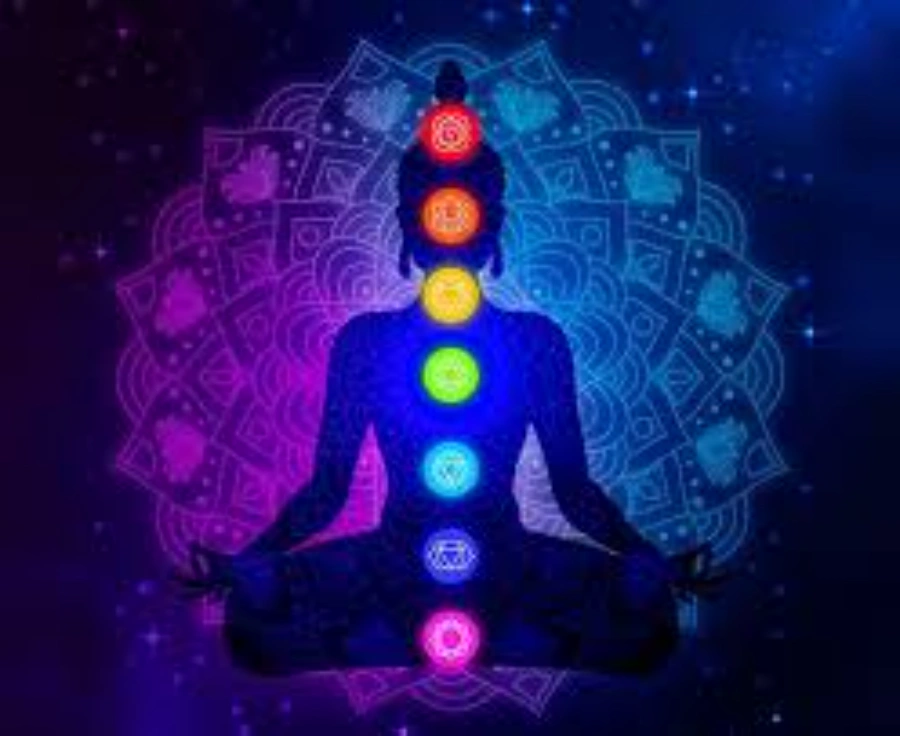
Once awakening stabilises, energy awareness tends to become a simple baseline rather than something special, intuition guides more naturally, presence increases as past and future lose some of their grip, reactivity drops as response replaces reflex, and ordinary life starts to feel quietly sacred rather than mundane. None of this erases human limitation — challenging emotion, relationship difficulty, financial concern and health issues all continue. What changes is your relationship to them, and the resources you now have for navigating them.
Daily maintenance matters even after stabilisation: morning meditation or a short pranayama practice, grounding through the day, and an evening wind-down of gentle movement, restorative poses or sound healing before sleep. A useful daily structure: on waking, a few minutes of gratitude, gentle spinal movement, five to ten minutes of pranayama, ten to twenty minutes of meditation, and a moment to set an intention. Through the day, pause for three conscious breaths each hour, check in with your feet on the ground, and manage energy actively rather than letting it simply build or scatter. In the evening, gentle stretching, ten to fifteen minutes of relaxation or yoga nidra, and a few lines of gratitude journaling close the day well. Weekly rhythms matter too — longer practice, real community connection such as an Ashtanga open practice, time in nature, and periodic retreats or intensives for deeper work.
14Long-Term Transformation
Years after awakening, what tends to remain is a lasting shift in perception — reality feels more fluid, social conditioning becomes visible rather than invisible, and meaning permeates ordinary existence. Relationships tend toward more authenticity and less superficiality, with clearer boundaries and deeper, more natural compassion. A sense of purpose tends to clarify, work aligns more closely with values, and overall wellbeing improves — less stress reactivity, greater emotional resilience, and often genuinely better physical vitality.
This is not a final destination. Growth continues through deeper meditative states, further purification, and steadily more embodied wisdom. Some practitioners experience multiple complete risings across a lifetime; others stabilise fully after one. There is no single correct pattern. Many who integrate their own awakening naturally want to help others in turn — through formal yoga teacher training, counselling those going through spiritual emergence, writing or creative work, or simply being a stabilising presence within their community.
“Kundalini is returning you home — to who you have always been beneath conditioning, beneath identity, beneath separation. That home is closer than your next breath.”
The heart of it
- Awakening unfolds in five recognisable stages, from preparation through embodiment.
- Genuine activation affects the physical, emotional, mental and spiritual dimensions together.
- The real danger is forcing or ungrounded practice, not kundalini itself.
- Proper guidance and grounding turn a potentially overwhelming process into a genuinely transformative one.
Explore kundalini safely, with experienced guidance and real grounding, in a structured setting.
Reserve Your Seat