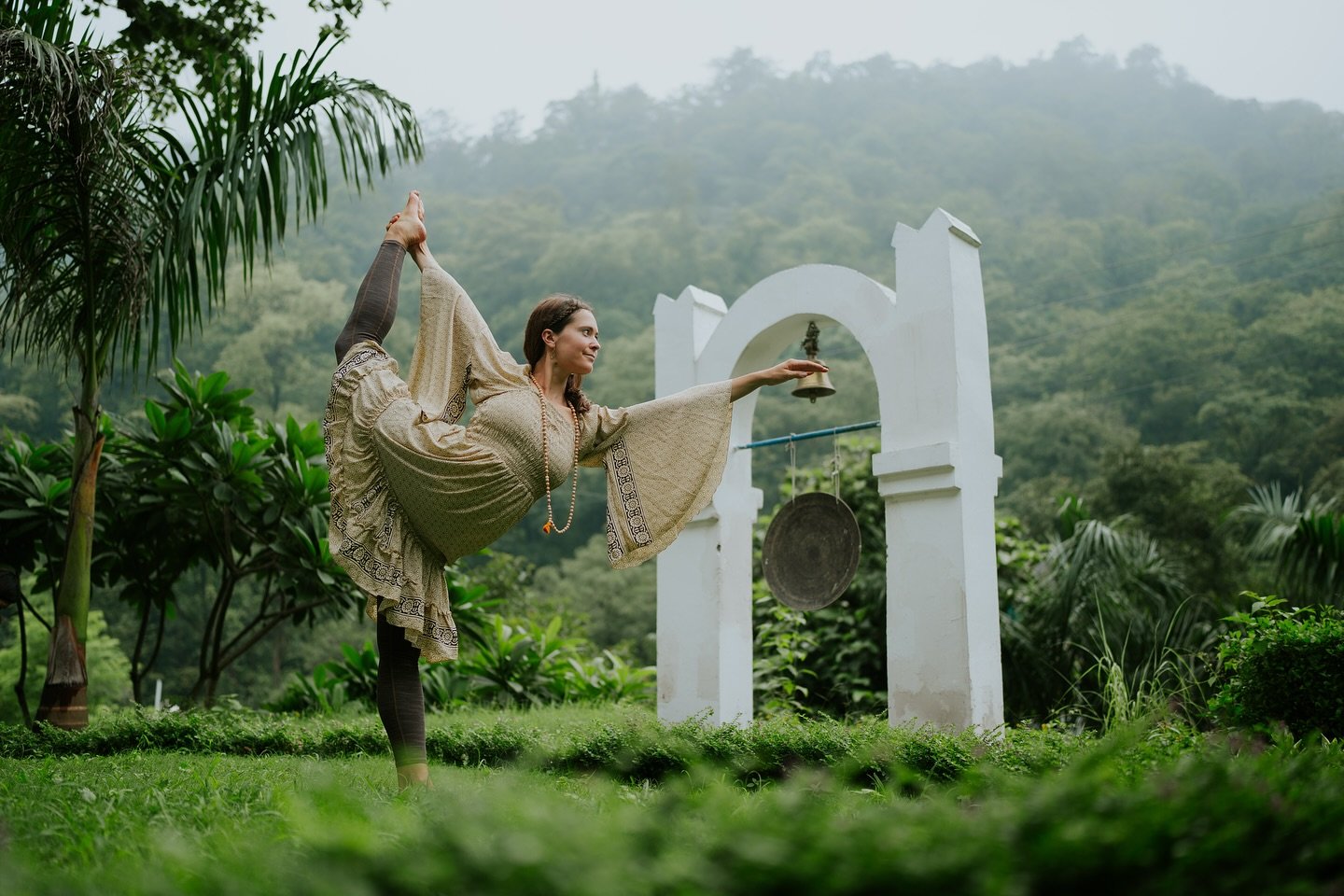

Rishikesh looks different in every season — the river runs a different colour, the crowds thin and swell, and even the practice itself seems to change temperature. Choosing when to go matters more than most travellers expect. Here is an honest, season-by-season guide to help you pick the window that actually fits what you are looking for.
01Why Season Matters More Than You Think
Rishikesh sits at the point where the plains meet the Himalayan foothills, which means its weather swings more than many visitors expect — from crisp, jacket-worthy mornings in December to warm, humid afternoons in June. The season you choose shapes everything from your daily comfort to the kind of crowd you will practise alongside.
There is no single ‘best’ month for everyone. The right time depends on what you are hoping to get out of the trip — deep, quiet study, festival energy, budget travel, or simply the most comfortable weather.
02Autumn (October–November): The Golden Window
Just after the monsoon clears, Rishikesh enters what many long-time visitors consider its finest stretch. Skies are clear, the Ganga runs full and clean, and daytime temperatures sit comfortably in the low-to-mid twenties Celsius.
This window often overlaps with Diwali, the festival of lights, when the entire town — ghats, ashrams and homes alike — glows with diyas and fireworks. Expect this to be a popular, and sometimes fully booked, time of year.
03Winter (December–February): Crisp Mornings, Deep Practice
Mornings turn genuinely cold — layers, a warm shawl and closed shoes are essential for early pranayama and meditation sittings. Afternoons, by contrast, are often pleasantly mild and sunny.
Many practitioners find winter ideal for inward-facing study: fewer distractions, a naturally slower pace, and a stillness in the town that suits meditation and philosophy work particularly well. It is also typically the quietest season for tourist crowds.
Pack for both extremes — a warm layer for 6am and something lighter for a sunny 2pm walk to the ghats.
04Spring (March–April): Blossoms and Festival Energy
As winter fades, the hillsides fill with flowering trees and the weather settles into a comfortable, moderate stretch — arguably the second golden window of the year. March also often brings a wave of yoga-focused gatherings and festivals to the town, drawing practitioners, teachers and musicians from around the world.
This is a favoured time for those who want good weather, a lively but not overwhelming atmosphere, and the sense of a whole community converging on the practice at once.
05Summer (May–June): Heat in the Valley, Cool in the Mountains
Days can grow properly hot before the monsoon breaks, particularly by mid-afternoon. Most schools shift practice earlier in the morning and later in the evening to work around the heat, and many students find themselves naturally drawn to the river and its cooler air.
Summer also tends to bring quieter ashrams, since it falls outside the two golden windows — a genuine upside for anyone who prefers fewer people and more personal attention from teachers.
06Monsoon (July–September): The Season Many Skip, and Why Some Prefer It
Rain arrives most afternoons, the hills turn a deep, saturated green, and the Ganga swells — river activities are generally suspended for safety during this period, and occasional road disruption in the wider region is worth planning around.
Yet a dedicated group of practitioners actively choose monsoon season on purpose. Classical yogic tradition itself treats this as a natural time for retreat and inward study rather than travel, and the lush, rain-washed town has a particular, introspective beauty that clear-sky months do not offer.
“The rain does not interrupt the practice. In many ways, it is the practice — a season built for staying in, not going out.”
07Matching Season to Your Goals
A quick way to decide: if you want the most comfortable weather and don’t mind company, choose autumn or spring. If you want deep, quiet study with fewer distractions, choose winter. If you want a calmer ashram and don’t mind the heat, choose early summer. And if you want a genuinely introspective, slower experience — and can accept a little rain — monsoon has its own quiet rewards.
The heart of it
- Autumn and spring offer the most comfortable weather and liveliest atmosphere.
- Winter suits focused, quiet study, though mornings are genuinely cold.
- Summer brings heat but also quieter ashrams and more personal attention.
- Monsoon is traditionally a season for retreat, not travel — and rewards those who choose it.
Whatever season calls to you, Rishikesh has something to teach. Find the window that fits your journey.
Reserve Your Seat