

A fulfilling yoga practice begins long before you step onto the mat — it begins with what is on your plate. When the body feels light, energised and balanced, every asana, every breath and every quiet moment of meditation deepens naturally. This is the entire premise of a sattvic diet for yoga, a way of eating inspired by India’s ancient Ayurvedic wisdom and served daily at Adhiroha, a traditional yoga school in Rishikesh and Goa.
01Why Food Is Key to Your Practice

In yoga, the body is treated as a sacred vessel, and food plays a genuinely vital role in keeping it balanced. A sattvic diet for yoga supports steady energy, mental clarity and emotional calm, a principle described in classical Ayurveda and echoed by the Ayurveda Portal. Modern research, including insights from Harvard Health, also points to how clean, plant-based nutrition helps lower stress and inflammation in the body.
At Adhiroha, our Rishikesh yoga retreats are built around this understanding, thoughtfully feeding students from every background — plant-focused meals aligned with yoga nutrition for US wellness travellers, light and energising foods suited to active Australian lifestyles, and the mindful, balanced eating that European yoga diet practices favour. Each meal is prepared to naturally support your practice, whether you are on the mat at home or fully immersed in India.
Did you know? A sattvic diet supports mental clarity and sustained energy, making it ideal for a consistent, focused practice — not just a nice-to-have on the side.
02What a Sattvic Diet Actually Is
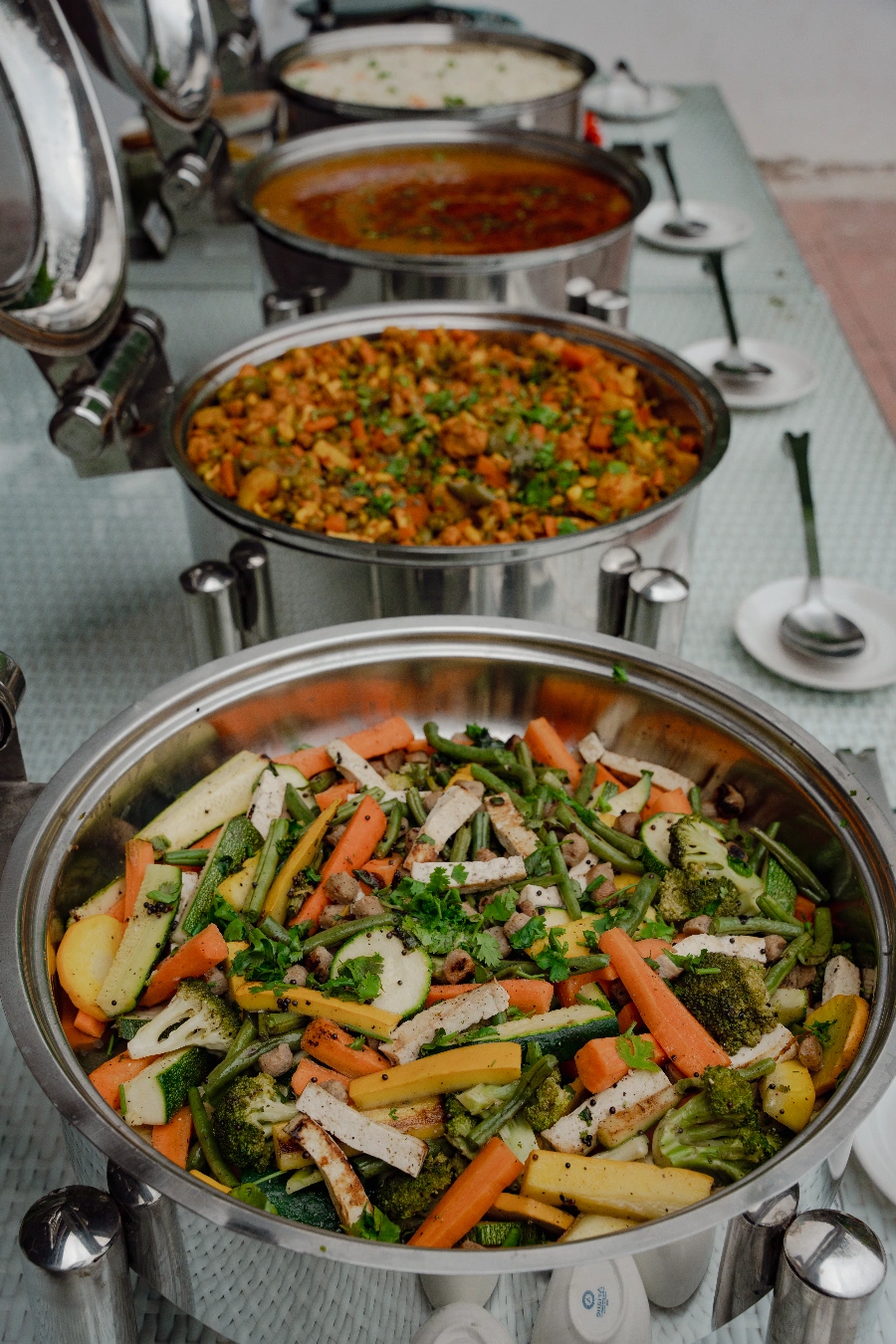
A sattvic diet for yoga emphasises fresh, vegetarian and minimally processed food that keeps the body light and the mind clear. It steers away from anything overly heavy, fried or artificial, precisely because those qualities work against meditation and mindful movement rather than for them.
- Fruits — seasonal, for natural vitality and antioxidants
- Vegetables — leafy greens and root vegetables for strength and balance
- Grains — brown rice, millets and quinoa for steady, sustained energy
- Proteins — lentils, chickpeas, nuts and seeds for genuine recovery
- Spices — gentle ones like turmeric, cumin and ginger, chosen for digestion rather than heat
You can explore these principles further, along with full recipes, through Adhiroha’s Sattvic Recipes.
03Powering Up Your Poses
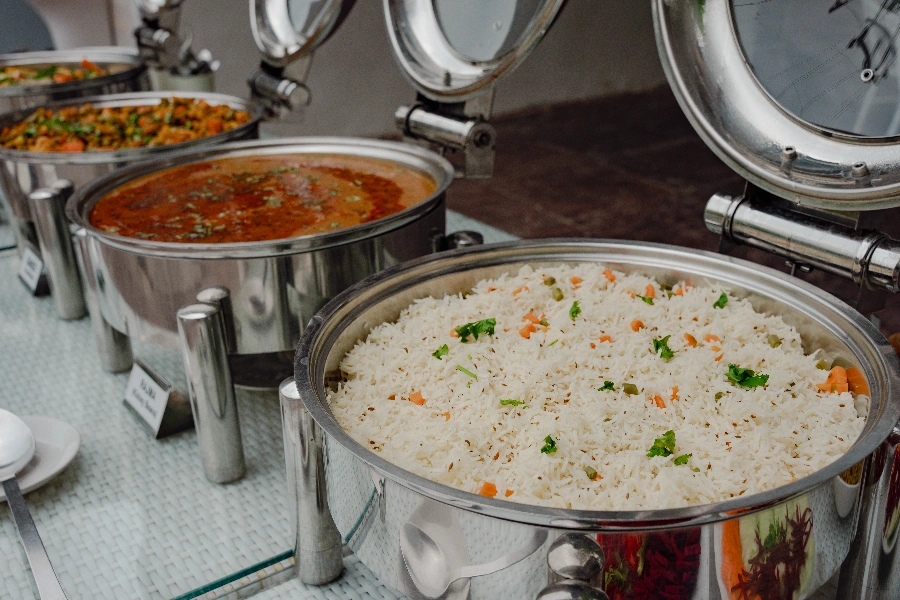
When the body is nourished with clean, light food, movement becomes noticeably more effortless. Our Rishikesh yoga nutrition approach favours simple meals that provide sustained energy without heaviness — light fruit or herbal tea before practice, and protein-rich dal afterward to support genuine recovery. Many students in Adhiroha’s 200-hour YTT notice real improvements in stamina and flexibility within the first couple of weeks, and much of that shift traces directly back to what — and when — they are eating.
05Balancing Your Energy the Ayurvedic Way
Ayurveda recognises individual constitutions, or doshas — Vata, Pitta and Kapha — and Adhiroha’s holistic yoga nutrition adapts meals accordingly rather than serving one fixed menu to everyone.
- Vata: warm, grounding food, especially valuable for busy, urban lifestyles
- Pitta: cooling food that calms excess intensity and heat
- Kapha: light, warming meals that encourage movement and balance
Personalised guidance on your own dosha, and how to eat for it, is offered throughout Adhiroha’s retreats.
06Why Rishikesh and Goa Are Foodie-Yogi Havens
Rishikesh, the Yoga Capital of the World, offers a deeply spiritual setting shaped by Himalayan tradition and the sacred Ganga River. Goa, by contrast, provides a peaceful coastal setting suited to a more relaxed style of yogic living. Adhiroha weaves local, seasonal ingredients into both Rishikesh yoga nutrition and Goa programmes — organic produce and quiet surroundings in the mountains, and fresh coastal ingredients in a more laid-back dining atmosphere by the sea. You can learn more about either region through Uttarakhand Tourism or Goa Tourism.
07Bringing Sattvic Eating Home
You do not need to be on retreat to bring sattvic principles into daily life. US-based yogis often start with fresh, organic produce from local markets, simple smoothies and light soups, and lighter meals before morning practice. Australian yogis tend to lean on seasonal vegetables and whole grains with gentle spices, paired naturally with outdoor practice. European yogis often favour mindful sourcing through organic co-ops, simple lentil-based meals for digestive support, and the deliberately slow pace of eating that sharpens awareness rather than dulling it.
08The Science Behind Sattvic Eating
Modern research increasingly supports what this tradition has held for centuries: plant-based food supports gut health and digestion, whole foods help regulate inflammation and lower stress, and natural, unprocessed meals sustain both physical and mental performance over the course of a demanding day. Adhiroha’s Ayurvedic meals can also be adapted for gluten-free, lactose-free or vegan preferences without losing any of this benefit.
09Nourish Your Whole Journey

A sattvic diet for yoga supports harmony between body, mind and breath. Through mindful meals and traditional teaching, Adhiroha offers a complete approach across its Rishikesh yoga retreats and yoga teacher training programmes — whichever corner of the world you are practising from, and whatever brought you to the mat in the first place.
The heart of it
- What you eat directly shapes how your asana, breath and meditation actually feel.
- Sattvic food is fresh, whole, plant-based and gently spiced — not restrictive or bland.
- Ayurveda adapts meals to your dosha rather than applying one fixed menu to everyone.
- You can bring these principles home, wherever in the world you practise.
Joining a retreat lets you experience sattvic nutrition fully, without daily distractions pulling you away from it.
Explore Our Retreats