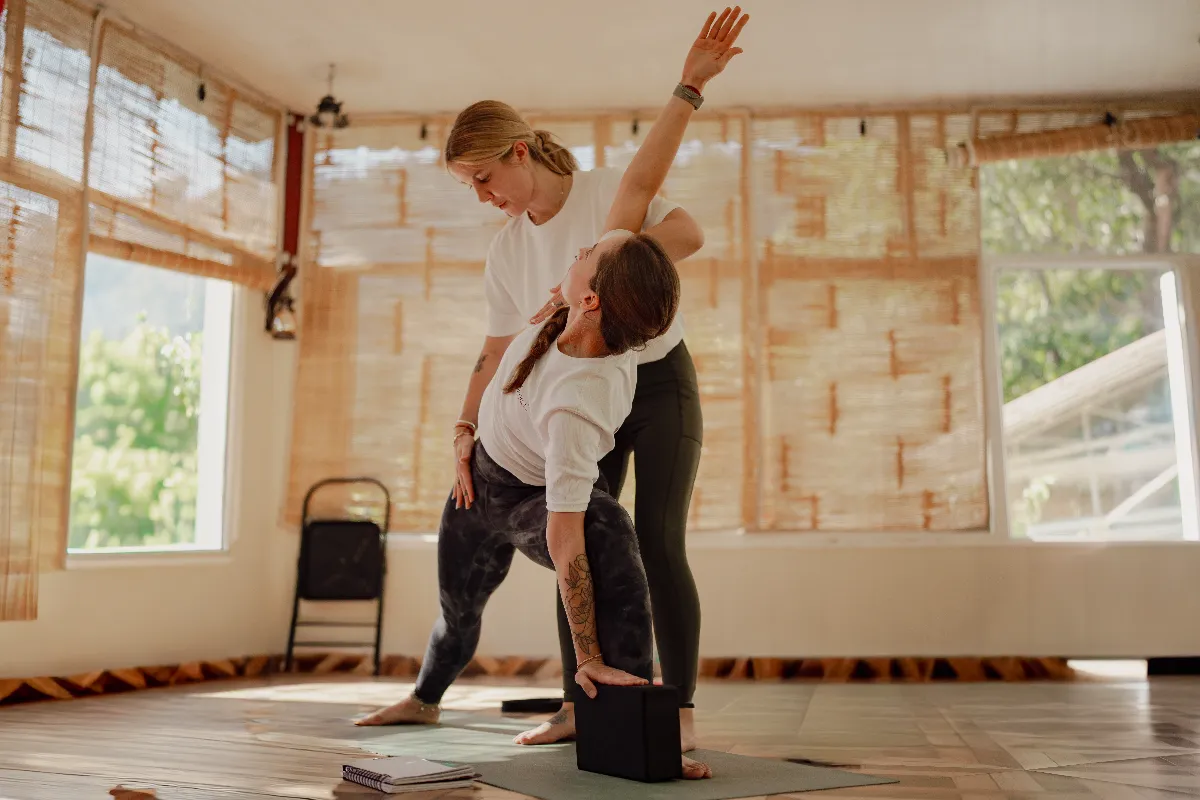

Your back hurts. Again. Maybe it started when you bent down to tie your shoes, or perhaps you simply woke up with it. The pain sits in your lower back — sometimes on the left, sometimes spreading upward toward the shoulders. The good news is that you do not need hours at the gym or expensive treatment. Just fifteen minutes a day of consistent, targeted movement can make a genuinely powerful difference.
01Why Your Back Hurts, and Why It Keeps Coming Back
Most lower back pain does not come from a single injury. It builds gradually, through poor habits and muscular imbalance compounding over months or years — tight hip flexors from prolonged sitting, weak core muscles that force the back to overwork, tight hamstrings pulling on the pelvis, and simple poor posture repeated thousands of times a day.
As spine expert Dr. Stuart McGill explains, constantly changing posture throughout the day is one of the single most important things you can do to prevent tissue overload — the back was never designed to hold one position for eight hours straight.
02Why One-Sided Back Pain Happens
Your body is not perfectly symmetrical, and daily habits make this more pronounced — carrying a bag on one shoulder, leaning on one hip while standing, favouring one side without noticing. Over time, one side quietly compensates for the other, and that imbalance often shows up as localised pain in the lower left or right back rather than evenly across the spine.
03The Fifteen-Minute Daily Routine That Works
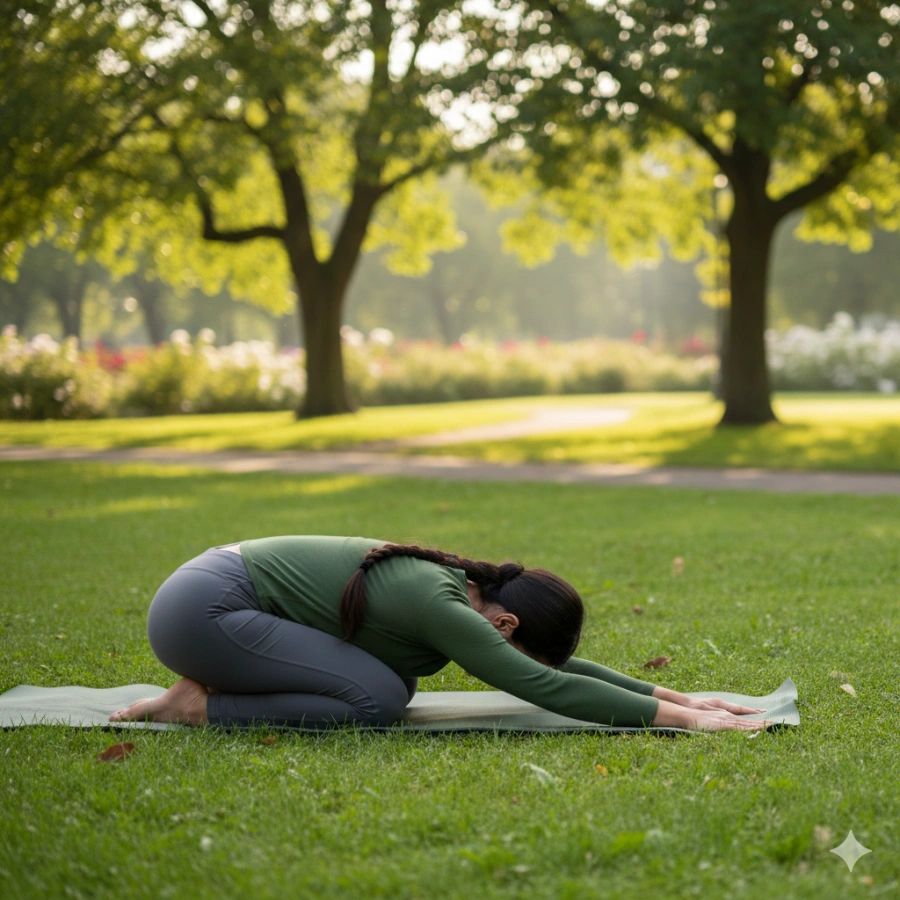
Consistency beats intensity, every time. A simple structure to follow each morning: minutes one to five for cat-cow, gentle twists and hip circles; minutes six to ten for child’s pose and knee-to-chest stretches; and minutes eleven to fifteen for bridge pose, bird dog and dead bug. Done daily, this keeps the spine mobile, strong and genuinely pain-free over time.
Do this every morning, before the day’s sitting begins, rather than only reaching for it once pain has already set in.
04Stretches for Immediate Relief
- Child’s Pose — gently decompresses the spine and relaxes back muscles; hold for two to three minutes
- Knee-to-Chest Stretch — relieves tension in the lower spine and hips; hold thirty seconds per side
- Cat-Cow Stretch — improves spinal mobility and circulation; flow gently for two minutes
- Supine Twist — ideal for one-sided lower back pain; hold one to two minutes per side
- Hip Flexor Stretch — releases tight hips that often cause lower back strain in the first place
05Strengthening Exercises to Prevent Future Pain

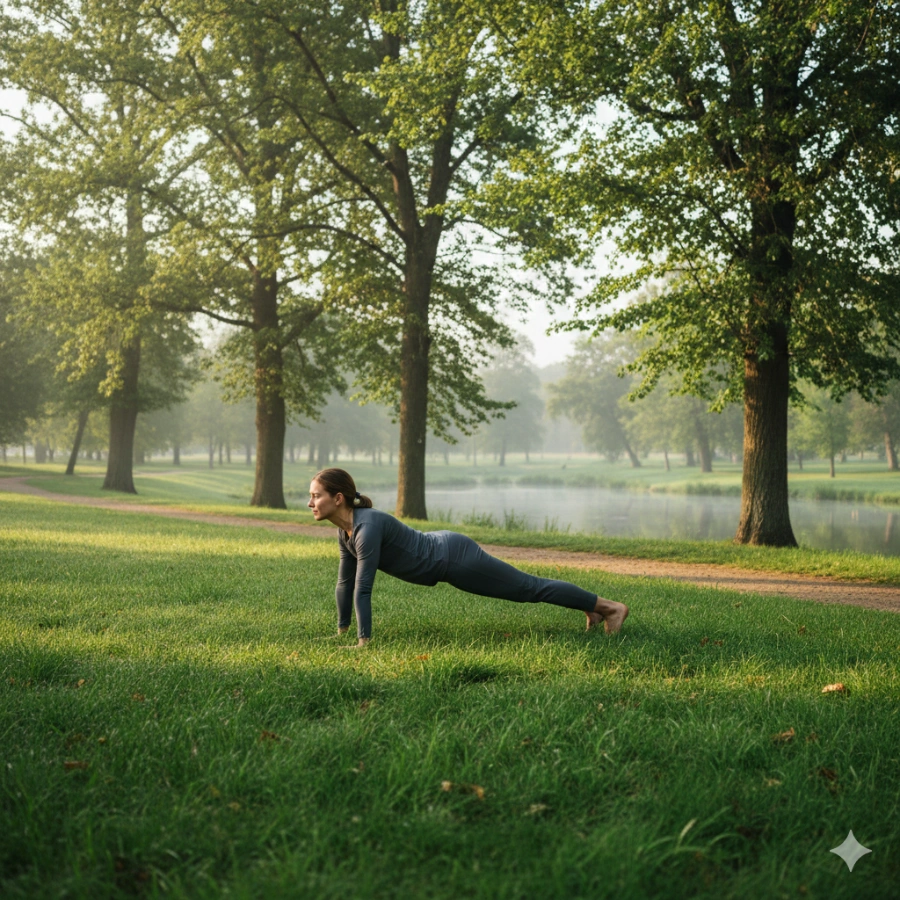
- Bridge Pose — strengthens the glutes and lower back; three sets of ten repetitions
- Bird Dog — builds core stability and spinal control; hold each side for five seconds
- Dead Bug — trains core control while genuinely protecting the spine
- Plank — builds real endurance in the core muscles that support the spine
- Superman — strengthens the spinal extensor muscles; hold for three to five seconds
06Yoga Poses That Target Back Pain
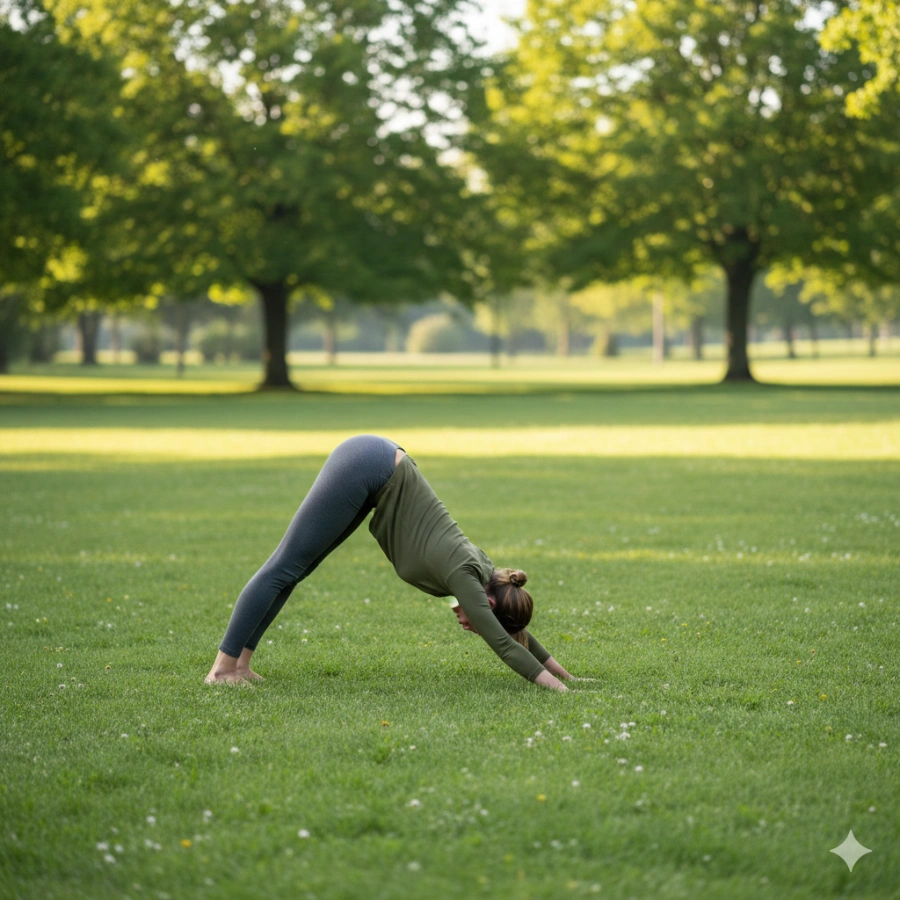
Downward Facing Dog lengthens the entire spine and relieves accumulated tension. Pigeon Pose opens the hips that often quietly contribute to lower back pain. Sphinx Pose restores the natural spinal curvature that long hours of sitting slowly erode. Reclined Spinal Twist hydrates the spinal discs and relaxes the back muscles at the end of a long day.
“Exercises build measurable strength. Yoga builds flexibility, awareness and relaxation. Your back genuinely needs both.”
07Yoga vs Traditional Exercise: Which Works Best
The honest answer is that the best results come from combining both. Traditional exercises build measurable strength and stability; yoga improves flexibility, body awareness and relaxation. A balanced approach supports both the physical and the genuinely psychological side of living with back pain, rather than treating it as a purely mechanical problem.
08What to Do When Pain Strikes Suddenly
Follow the PEACE protocol: protect the area, elevate where possible, avoid anti-inflammatories where you can, apply gentle compression, and educate yourself on what is actually happening rather than panicking. Avoid complete bed rest and any sharp, sudden twisting movement — both tend to make acute back pain worse rather than better.
09Understanding Different Types of Back Pain
Upper back pain is usually posture-related, often from screens and rounded shoulders. Lower back pain typically traces back to a weak core and tight hips working against each other. One-sided pain usually points to a muscle imbalance or a compensation pattern that has built up gradually, exactly as described earlier.
10When to See a Doctor
Seek medical help if pain lasts longer than six weeks, if it is steadily worsening rather than improving, or if it comes with numbness, weakness, or a specific trauma. No routine, however good, replaces proper medical assessment in these situations.
11Building Your Pain-Free Future
Practise your fifteen-minute routine at least five days a week, track your own progress honestly, and stay patient with the process. Your spine is designed to move — this routine simply restores what modern, sedentary life quietly takes away over time.
The heart of it
- Back pain usually builds gradually from imbalance, not a single sudden injury.
- Fifteen consistent minutes daily beats occasional, intense effort.
- Combine strengthening exercise with yoga for the most complete relief.
- See a doctor if pain persists beyond six weeks or comes with numbness or weakness.
Back pain doesn’t have to control your life. Consistency is everything — start tomorrow.
Explore Our Courses