

Introduction

PCOS affects 6–13% of women of reproductive age globally, yet nearly 70% remain undiagnosed. It brings irregular periods, weight gain, acne, mood swings, and fertility struggles.
Yoga cannot cure PCOS, but research shows it can meaningfully reduce testosterone levels, improve insulin sensitivity, regulate menstrual cycles, support weight management, and reduce anxiety and depression. This is the complete evidence-based guide to using yoga for PCOS and hormonal balance.
Understanding Hormonal Balance — And Why It Goes Wrong
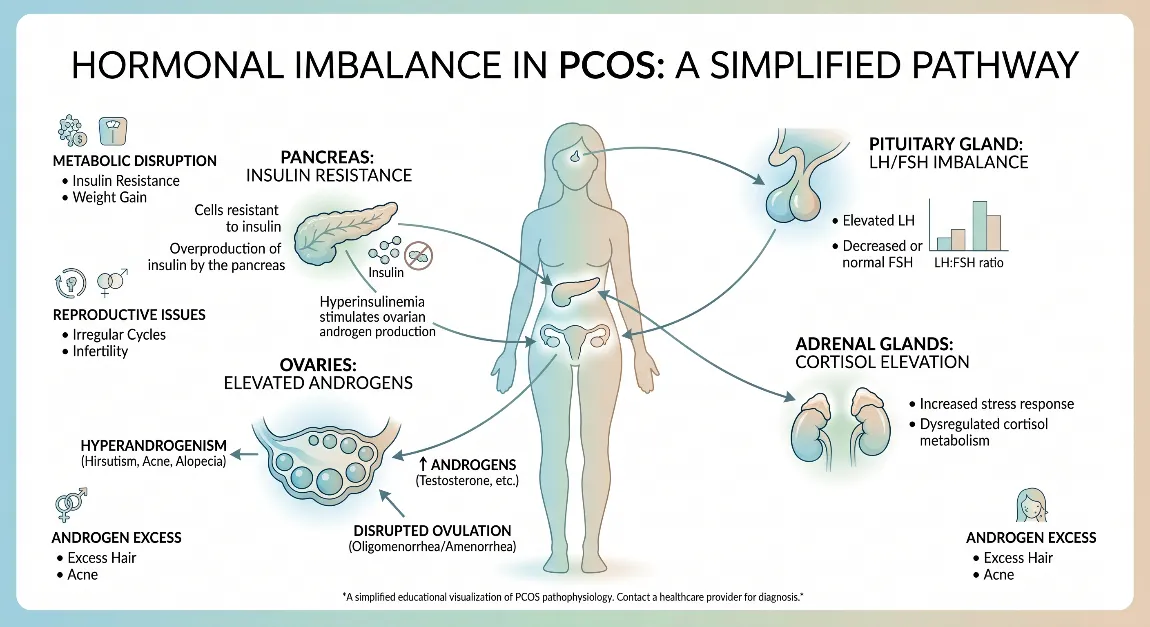
Your endocrine system is a network of glands that produce hormones regulating metabolism, reproduction, mood, sleep, and stress response.
In PCOS, women typically have higher levels of androgens (male hormones), elevated insulin due to insulin resistance, imbalanced LH/FSH ratios, and chronically elevated cortisol. This creates multi-system dysregulation affecting metabolism, reproduction, and stress response.
What PCOS Actually Is — And How It Affects Your Body
Polycystic Ovarian Syndrome is diagnosed when at least two of the following three criteria are met:
- Irregular or absent periods
- Elevated androgen levels (acne, hirsutism)
- Polycystic ovaries on ultrasound
PCOS is not just a reproductive issue. It is a metabolic, cardiovascular, and mental health condition. If left untreated, it increases risk of heart disease, diabetes, hypertension, infertility, and endometrial cancer.
The Role of Stress, Insulin Resistance, and Lifestyle
Chronic stress elevates cortisol, which worsens insulin resistance and androgen production. Insulin resistance makes weight loss difficult and further increases androgen levels — creating a vicious cycle.
Breaking this cycle with nervous system support and sustainable lifestyle changes is central to long-term PCOS management.
How Yoga Influences Hormonal Regulation
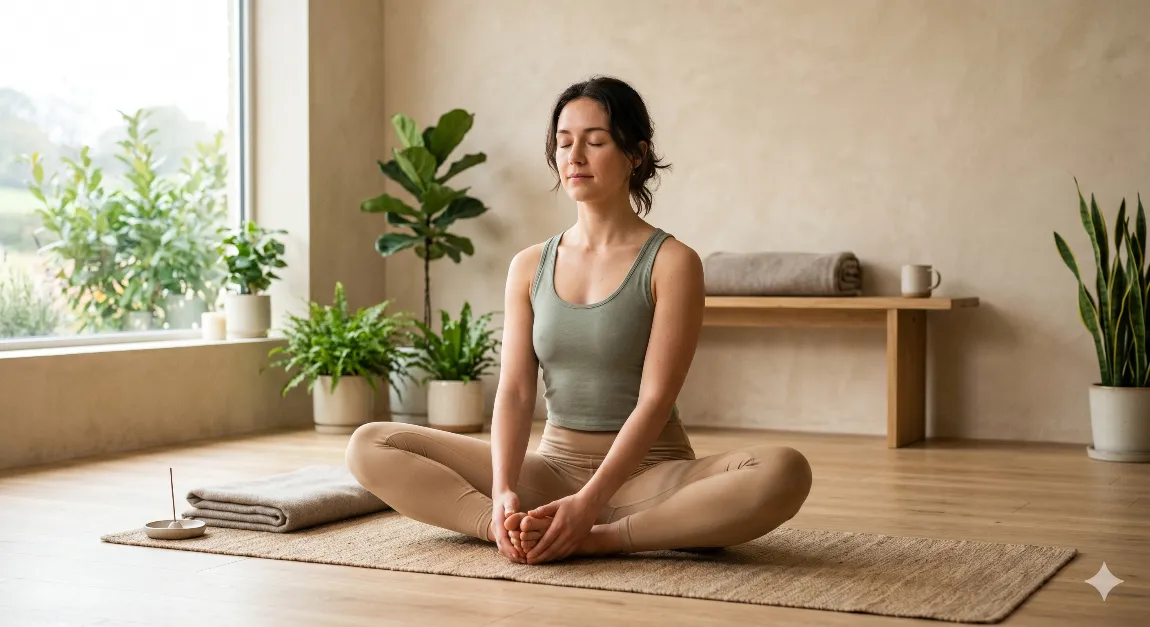
Studies show yoga can reduce testosterone levels by up to 29% with consistent practice. It works through:
- Nervous system regulation (lowers cortisol)
- Improved insulin sensitivity
- Increased blood flow to reproductive organs
- Mental and emotional support
Best styles: Restorative yoga, Yin yoga, gentle Hatha, and pranayama.
Consistency Over Intensity — Why Realistic Practice Matters
For PCOS, daily practice (even 10–15 minutes) is far more effective than occasional intense sessions. Focus on gentle, breath-led movement with hip openers and relaxation.
Avoid or modify: Hot yoga, excessive inversions, and high-intensity power yoga, as they can elevate cortisol further.
Yoga as Support, Not Replacement, for Medical Treatment

Yoga works best alongside medical care. It enhances the effectiveness of medications like Metformin or hormonal treatments while improving quality of life. Always consult your doctor for proper diagnosis and treatment plan.
When Medical Care Is Essential
Seek immediate medical evaluation for absent periods over 3 months, severe pelvic pain, heavy bleeding, symptoms of diabetes, severe depression, or difficulty conceiving. Early diagnosis prevents long-term complications.
Conclusion
Yoga for PCOS offers powerful support for hormonal balance, symptom management, and overall wellbeing. Practise consistently with gentle styles, combine it with medical guidance and nutrition, and listen to your body. True healing comes from a comprehensive, compassionate approach.