
Yoga genuinely helps a great deal of ordinary sleep trouble — the kind that comes from stress, an overactive mind, or a body that never quite learned to wind down. It is not, however, a treatment for every sleep problem that exists, and a few conditions in particular need a diagnosis and a medical treatment plan that no posture or breathing practice can substitute for. This is an honest look at where yoga's usefulness for sleep genuinely ends, and how to recognise when a sleep problem has moved beyond what a mat can address.
01What Yoga Genuinely Helps With
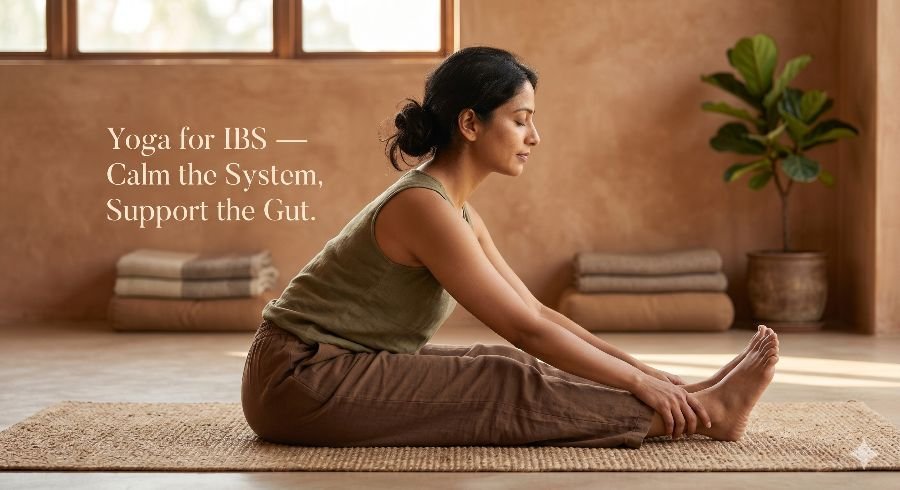
Stress-related sleeplessness, an overactive mind at bedtime, mild sleep-onset difficulty and the general poor sleep hygiene of modern life all respond genuinely well to a consistent yoga and breathwork practice. These are the majority of ordinary sleep complaints, and for this large group, yoga is a legitimate, evidence-supported and largely sufficient answer on its own.
02Sleep Apnea Is a Medical Condition, Not a Yoga Problem
Obstructive sleep apnea involves the airway repeatedly collapsing during sleep, cutting off breath for seconds at a time, often dozens of times a night without the sleeper ever fully waking to notice it happening. This is a structural and physiological condition requiring proper diagnosis through a sleep study and, typically, a CPAP device or another medical intervention. Yoga’s breathing practices, while genuinely valuable for stress and lung capacity generally, do not resolve airway obstruction, and treating suspected apnea with pranayama alone risks leaving a genuinely dangerous condition, one linked to cardiovascular strain, entirely unaddressed.
03Clinical Insomnia Disorder Beyond Ordinary Sleeplessness
A diagnosable insomnia disorder, persisting most nights for three months or longer and causing genuine daytime impairment, typically calls for cognitive behavioural therapy for insomnia, CBT-I, considered the gold-standard treatment by sleep specialists. Yoga can meaningfully support this treatment as a complementary practice, easing the anxiety that often accompanies chronic insomnia, but it is not a substitute for the structured, evidence-based therapy itself when the condition has reached this clinical threshold.
04Restless Leg Syndrome and Narcolepsy
Restless leg syndrome, an uncomfortable, often irresistible urge to move the legs that worsens at rest, frequently has an underlying cause — an iron deficiency, a kidney condition, or a medication side effect — that needs medical investigation rather than a stretching routine alone. Narcolepsy, a neurological condition involving sudden, uncontrollable sleep episodes, requires a specialist diagnosis and typically a medication-based treatment; no amount of yoga practice addresses the underlying neurology involved.
Loud snoring with witnessed breathing pauses, excessive daytime sleepiness despite adequate time in bed, or an irresistible urge to move the legs at rest are all worth raising with a doctor rather than managing through practice alone.
05Recognising When It's Time for a Specialist
A few honest signals suggest a sleep problem has moved past what yoga alone can resolve: a sleep difficulty persisting most nights for three months or more despite a consistent practice; loud snoring or a witnessed pause in breathing during sleep; an overwhelming daytime sleepiness even after what should be adequate rest; or a sleep disruption that began alongside another new symptom entirely. Any of these deserves a conversation with a doctor or a sleep specialist, ideally including a proper sleep study, rather than an escalating search for a better breathing technique.
06Using Yoga Alongside Proper Medical Care
None of this means yoga has no place once a genuine sleep disorder is diagnosed. Alongside a CPAP device, a CBT-I programme, or a medication regimen, a gentle practice continues to support the stress and anxiety that so often accompany a chronic sleep condition, and it remains genuinely useful for the ordinary, ambient sleep trouble that exists independently of the diagnosed condition. The key is sequencing: proper diagnosis and treatment first, with yoga added as a genuine support rather than attempted as the primary fix.
“Yoga resolves ordinary sleeplessness remarkably well. It does not resolve a collapsed airway, and knowing that difference matters.”
The heart of it
- Yoga genuinely helps stress-related sleeplessness and an overactive bedtime mind — the majority of ordinary sleep complaints.
- Sleep apnea is a structural, medical condition requiring diagnosis and typically a CPAP device, not a breathing practice.
- A clinical insomnia disorder calls for CBT-I as the gold-standard treatment, with yoga as a complement rather than a substitute.
- Loud snoring, witnessed breathing pauses, or overwhelming daytime sleepiness are signals to see a sleep specialist, not to practise harder.
Build a genuinely supportive sleep practice, guided by experienced teachers.
Reserve Your Seat