

Introduction

PCOS affects 6–13% of women of reproductive age globally, yet nearly 70% remain undiagnosed. It brings irregular periods, weight gain, acne, mood swings, and fertility struggles.
Yoga cannot cure PCOS, but research shows it can meaningfully reduce testosterone levels, improve insulin sensitivity, regulate menstrual cycles, support weight management, and reduce anxiety and depression. This is the complete evidence-based guide to using yoga for PCOS and hormonal balance.
Understanding Hormonal Balance — And Why It Goes Wrong
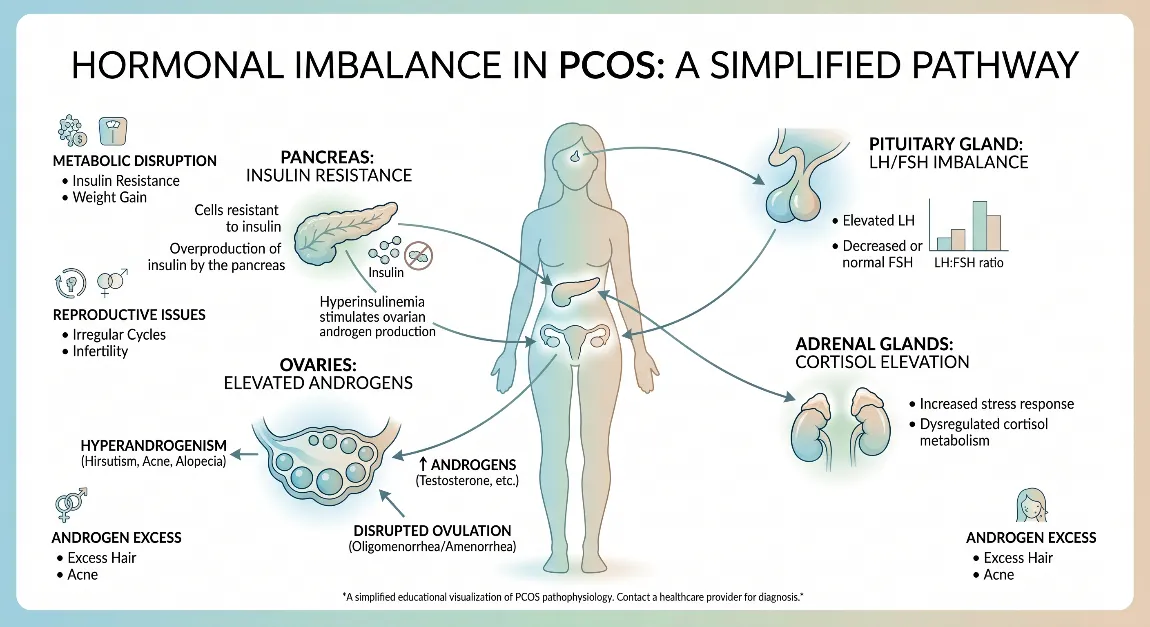
Your endocrine system is a network of glands that produce hormones regulating metabolism, reproduction, mood, sleep, and stress response.
In PCOS, women typically have higher levels of androgens (male hormones), elevated insulin due to insulin resistance, imbalanced LH/FSH ratios, and chronically elevated cortisol. This creates multi-system dysregulation affecting metabolism, reproduction, and stress response.
What PCOS Actually Is — And How It Affects Your Body
Polycystic Ovarian Syndrome is diagnosed when at least two of the following three criteria are met:
- Irregular or absent periods
- Elevated androgen levels (acne, hirsutism)
- Polycystic ovaries on ultrasound
PCOS is not just a reproductive issue. It is a metabolic, cardiovascular, and mental health condition. If left untreated, it increases risk of heart disease, diabetes, hypertension, infertility, and endometrial cancer.
The Role of Stress, Insulin Resistance, and Lifestyle
Chronic stress elevates cortisol, which worsens insulin resistance and androgen production. Insulin resistance makes weight loss difficult and further increases androgen levels — creating a vicious cycle.
Breaking this cycle with nervous system support and sustainable lifestyle changes is central to long-term PCOS management.
How Yoga Influences Hormonal Regulation
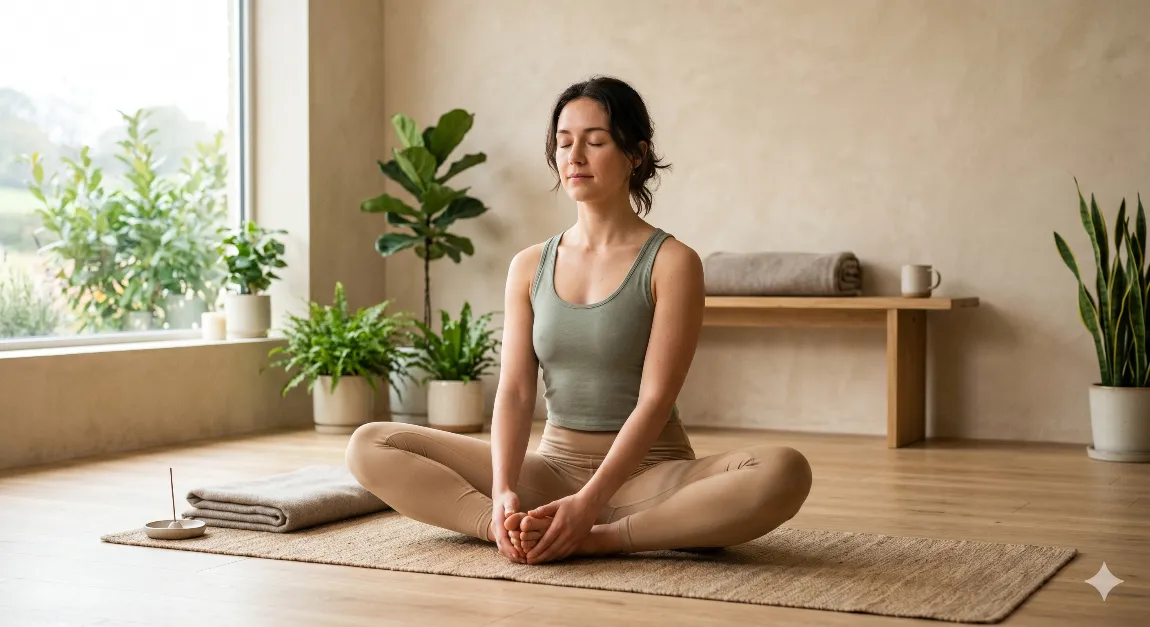
Studies show yoga can reduce testosterone levels by up to 29% with consistent practice. It works through:
- Nervous system regulation (lowers cortisol)
- Improved insulin sensitivity
- Increased blood flow to reproductive organs
- Mental and emotional support
Best styles: Restorative yoga, Yin yoga, gentle Hatha, and pranayama.
Consistency Over Intensity — Why Realistic Practice Matters
For PCOS, daily practice (even 10–15 minutes) is far more effective than occasional intense sessions. Focus on gentle, breath-led movement with hip openers and relaxation.
Avoid or modify: Hot yoga, excessive inversions, and high-intensity power yoga, as they can elevate cortisol further.
Yoga as Support, Not Replacement, for Medical Treatment

Yoga works best alongside medical care. It enhances the effectiveness of medications like Metformin or hormonal treatments while improving quality of life. Always consult your doctor for proper diagnosis and treatment plan.
When Medical Care Is Essential
Seek immediate medical evaluation for absent periods over 3 months, severe pelvic pain, heavy bleeding, symptoms of diabetes, severe depression, or difficulty conceiving. Early diagnosis prevents long-term complications.
Conclusion
Yoga for PCOS offers powerful support for hormonal balance, symptom management, and overall wellbeing. Practise consistently with gentle styles, combine it with medical guidance and nutrition, and listen to your body. True healing comes from a comprehensive, compassionate approach.
FAQs
-
Can yoga cure PCOS?
No — yoga cannot cure PCOS. PCOS is a chronic endocrine condition requiring long-term management. However, yoga is one of the most evidence-supported complementary tools for managing symptoms, reducing testosterone levels, improving insulin sensitivity, regulating cycles, and supporting mental health. It works best alongside appropriate medical treatment, dietary support, and lifestyle changes — not as a replacement for any of them.
-
Which yoga is best for PCOS?
Gentle, restorative, and breath-focused yoga styles are most effective for PCOS. Restorative yoga, yin yoga, gentle hatha, and pranayama practices calm the nervous system, reduce cortisol, and support hormonal balance without overstressing already sensitive adrenal glands. Key poses include Butterfly Pose, Cat-Cow, Cobra Pose, Bridge Pose, Supported Child's Pose, and Legs-Up-the-Wall. Avoid or limit hot yoga, intense vinyasa, and excessive inversions — these can worsen cortisol elevation and hormonal dysregulation in PCOS.
-
How long does yoga take to help with PCOS symptoms?
Most women notice initial improvements in energy, mood, and cycle regularity within 4-6 weeks of consistent practice (3-5 times weekly). Hormonal changes — including testosterone reduction and improved insulin sensitivity — typically consolidate over 8-12 weeks of regular practice. The key variable is consistency, not intensity. Daily 15-20 minute gentle practice outperforms occasional 90-minute intense sessions for PCOS management.
-
Can yoga help with PCOS weight loss?
Yes — but indirectly. Yoga improves insulin sensitivity, reduces cortisol, and supports sustainable movement habits — all of which help regulate metabolism and support healthy weight management. However, yoga alone is not sufficient for significant weight loss in PCOS. It works best alongside appropriate nutrition, adequate protein intake, blood sugar management, and other forms of moderate movement like walking. For targeted guidance on sustainable weight management with PCOS, the upcoming cluster on ##yoga for PCOS-related weight gain## will cover this thoroughly.
-
Does yoga help with irregular periods?
Yes — research consistently shows yoga can help regulate menstrual cycles in women with PCOS. Yoga reduces cortisol, improves insulin sensitivity, stimulates pelvic blood flow, and supports the hypothalamic-pituitary-ovarian axis — all of which contribute to cycle regularity. Most women notice cycle improvements within 2-3 months of consistent practice. However, if periods have been absent for 6+ months or irregularity is severe, medical evaluation and treatment are necessary alongside yoga. For a complete breakdown of cycle regulation through yoga, the guide on ##yoga for irregular periods and menstrual health## covers this in depth.
-
Is yoga safe for women with PCOS trying to conceive?
Yes — and potentially beneficial. Yoga helps reduce insulin resistance, balance hormones, and decrease stress — all crucial factors for ovulation and conception. Regular practice can help regulate menstrual cycles by supporting the hypothalamic-pituitary-ovarian axis. However, avoid deep inversions and intense abdominal work if actively trying to conceive — particularly in the second half of your cycle. Yoga works best as part of a comprehensive fertility approach including proper nutrition and medical care where needed.
-
What foods should I avoid with PCOS?
While this guide focuses on yoga, diet is critically important for PCOS management. Generally, limit: refined sugars and processed carbohydrates (worsen insulin resistance), red meat and processed meats (increase inflammation), trans fats and fried foods (worsen lipid profiles), excessive dairy (can increase androgen levels in some women). Focus on: whole foods, adequate protein, fiber-rich vegetables, healthy fats, and blood sugar-stabilising meals. Consult a dietitian specialising in PCOS for personalised guidance.