
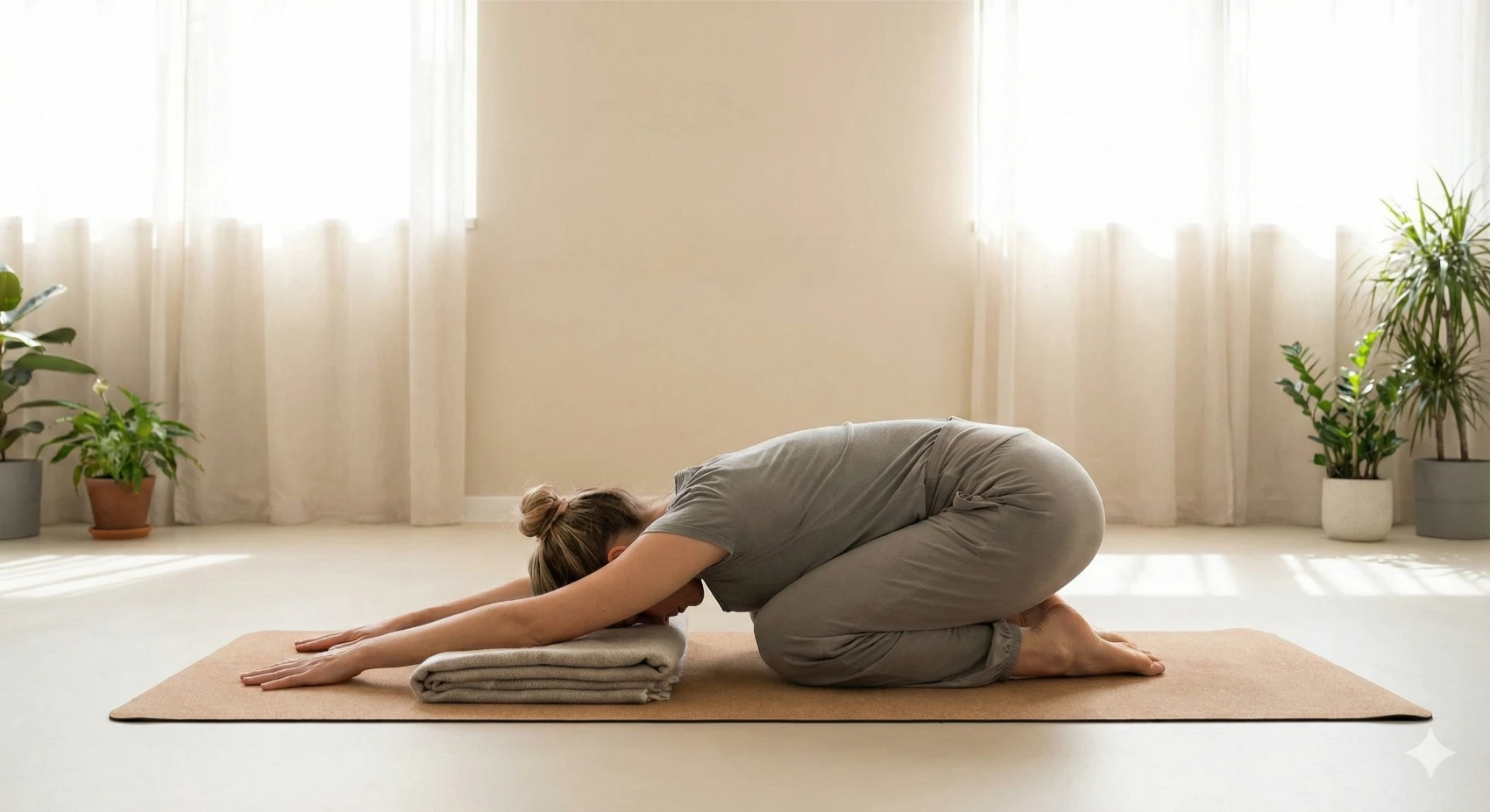
Why Yoga Works for Lower Back Pain
Your lower back carries the weight of your entire upper body. When pain strikes, every movement feels like a burden. But here's the kicker: yoga doesn't just mask the pain—it addresses the root cause. According to a study published in the Annals of Internal Medicine, yoga proved as effective as physiotherapy for chronic lower back pain relief.
The ancient wisdom of yoga meets modern science here. The Bhagavad Gita (Chapter 6, Verse 17) speaks of "yukta" or balance—exactly what your spine needs to heal.
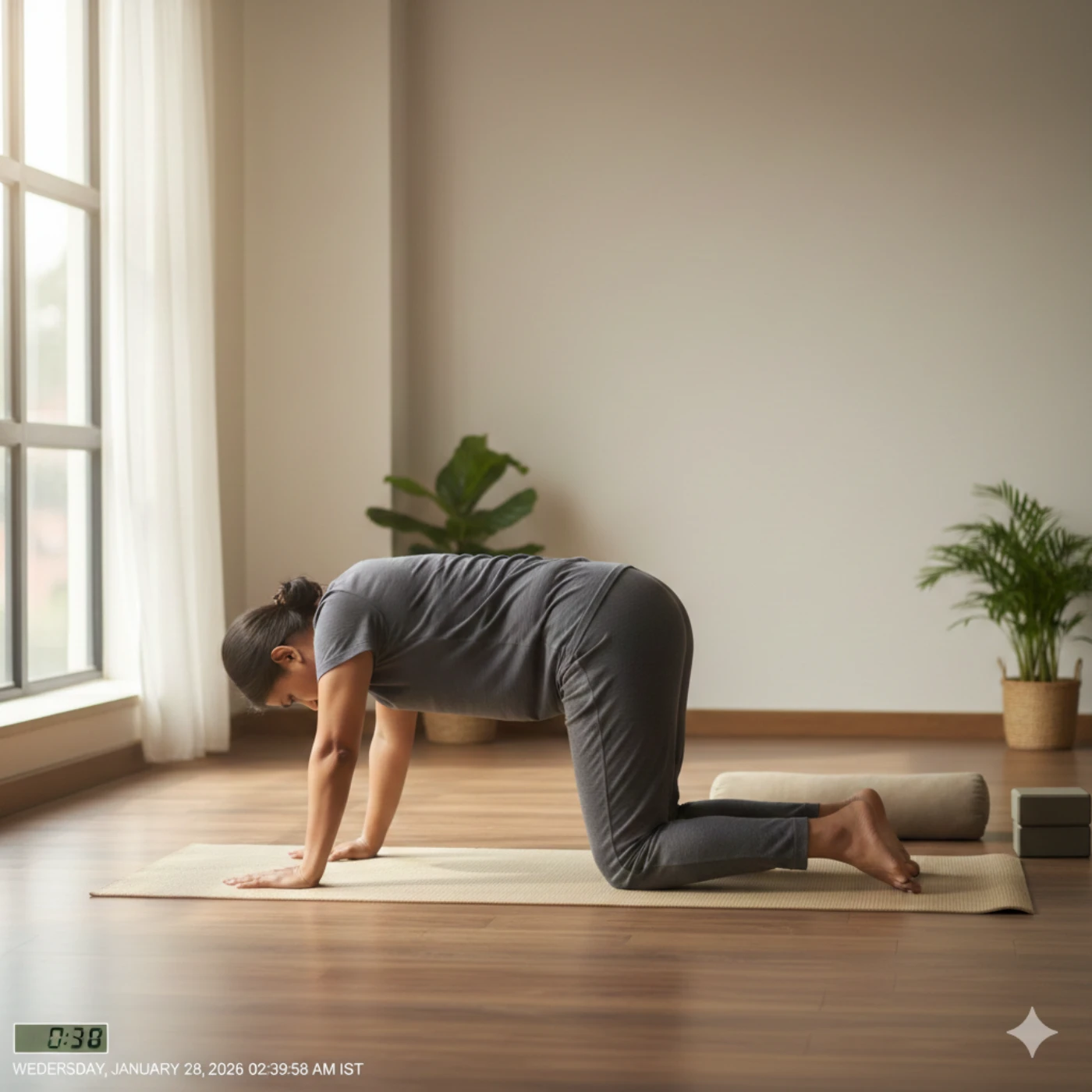
How Asanas Support Spinal Flexibility
Think of your spine as a chain of 33 vertebrae. When one link gets stuck, the whole chain suffers. Yoga asanas create space between these vertebrae. This decompression allows nutrient-rich fluid to nourish your spinal discs, which is crucial for healing.
Dr. Loren Fishman, a physiatrist who has studied yoga for decades, found that specific poses can actually restructure the spine. His research showed measurable improvements in bone density and alignment through consistent practice.
Forward Bends vs Backward Bends
Here's what most people get wrong: they think all stretches for lower back pain work the same way. They don't.
- Forward bends: Lengthen the posterior chain—your hamstrings, glutes, and back extensors. These poses create a gentle traction effect that relieves compression.
- Backward bends: Strengthen the muscles that support your spine from behind. They also open the front body, which often gets tight from sitting.
Research from the Yoga Journal of Physical Therapy indicates that alternating between these movements creates balanced spinal health. Think of it as a conversation between flexion and extension.
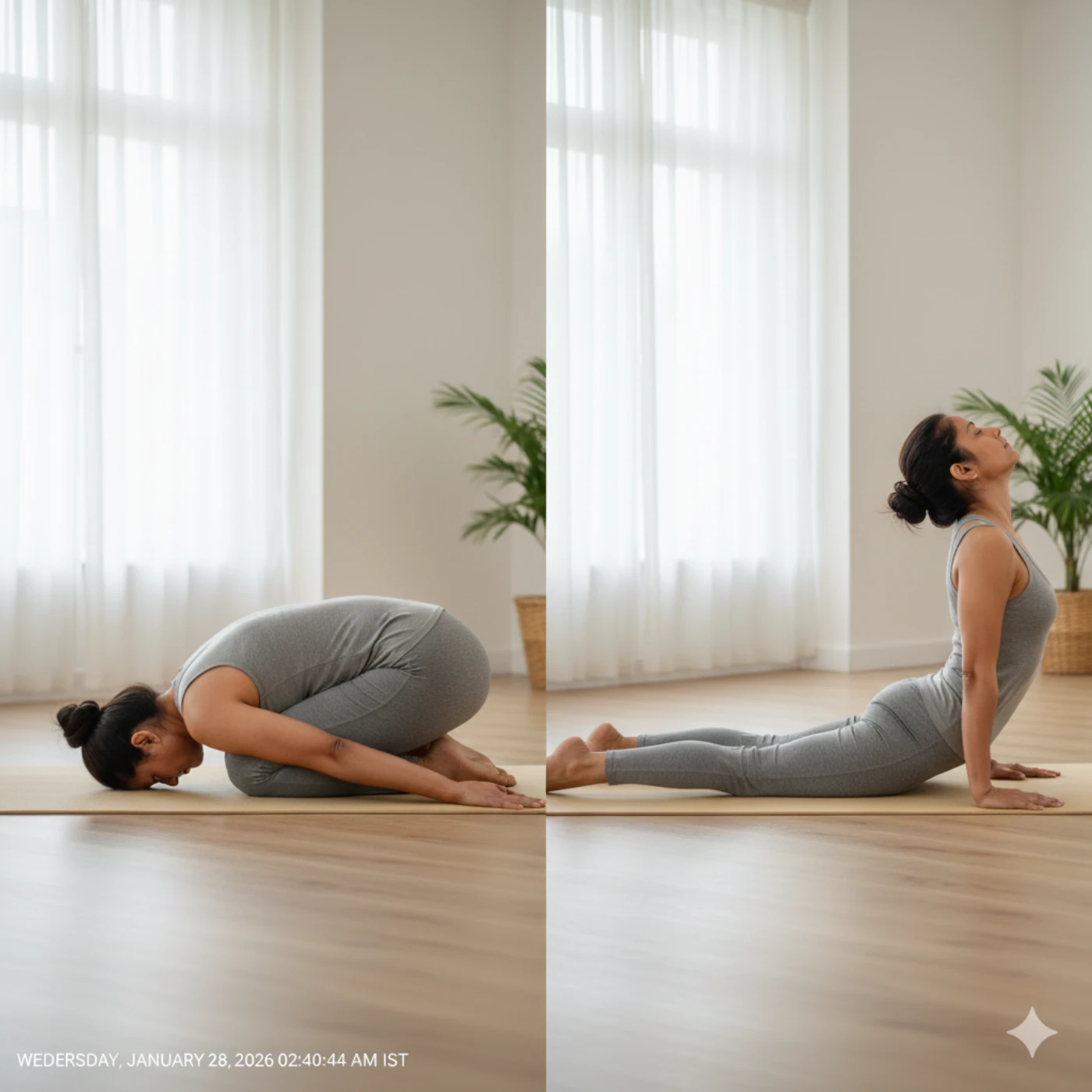
Importance of Slow Transitions
Fast movements trigger your nervous system's alarm bells. Slow movements whisper safety to your brain. When you rush between poses, your muscles brace for impact. This protective tension is exactly what you're trying to release.
The concept of "sthira sukham asanam" from Patanjali's Yoga Sutras (Chapter 2, Verse 46) translates to "steady and comfortable posture." Take 5-8 breaths to move between positions to give your fascia time to adapt.
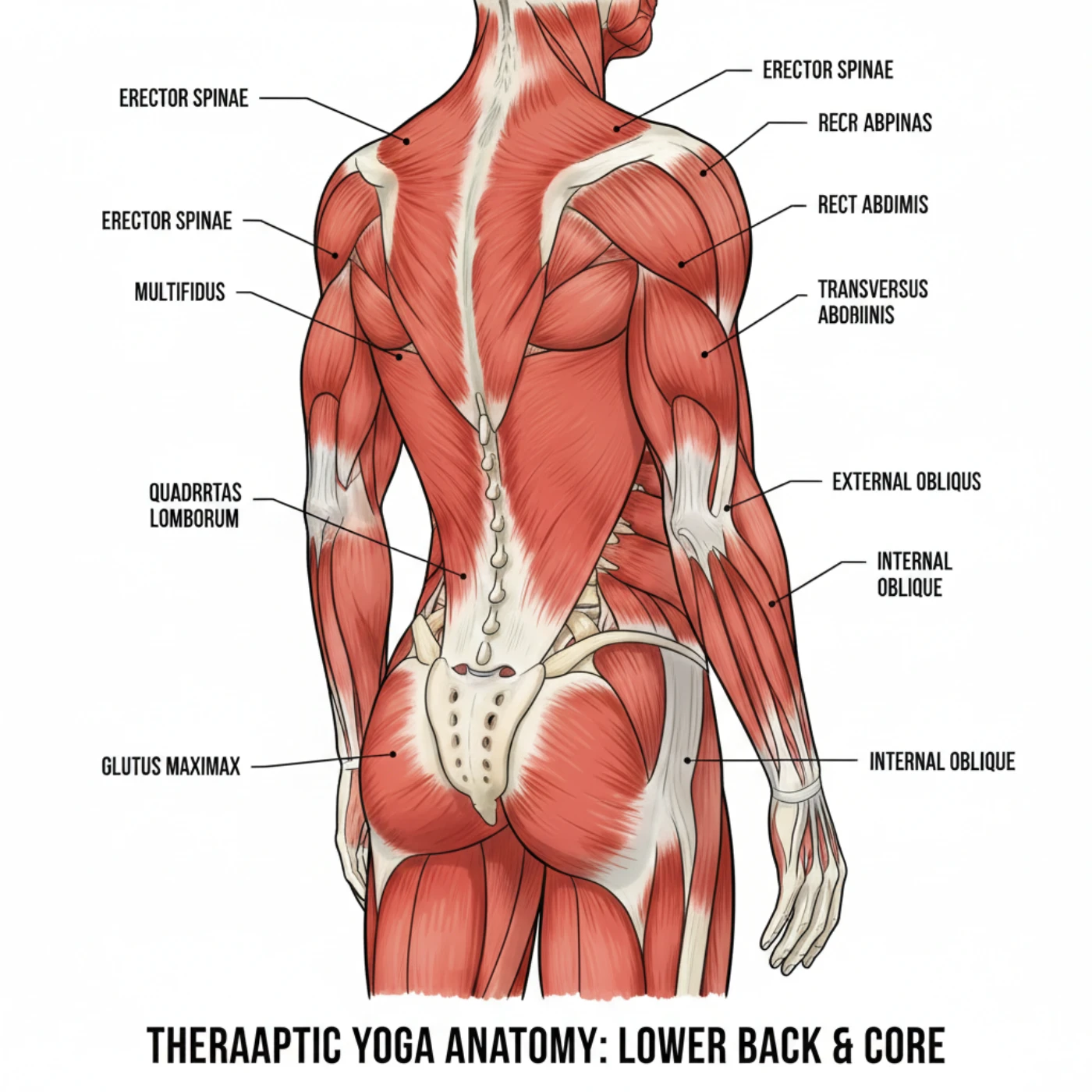
Muscle Groups Activated in Lower Back Yoga
Your lower back doesn't work alone. It's part of a complex support system:
- Primary players: Erector spinae, Multifidus, and Quadratus lumborum.
- Supporting cast: Core muscles, Hip flexors, Hamstrings, and Glutes.
Studies at Boston Medical Center found that yoga activates these muscle groups in coordinated patterns. When practicing Yoga Teacher Training, instructors learn to cue this whole-body engagement.
Top 7 Yoga Asanas for Lower Back Pain
1. Cat-Cow (Marjaryasana-Bitilasana)
Inhale, drop your belly, lift your gaze (cow). Exhale, round your spine, tuck your chin (cat). This movement pumps synovial fluid between vertebrae.
2. Child's Pose (Balasana)
Kneel, sit back on your heels, stretch your arms forward. This pose gently stretches the erector spinae while calming your nervous system.
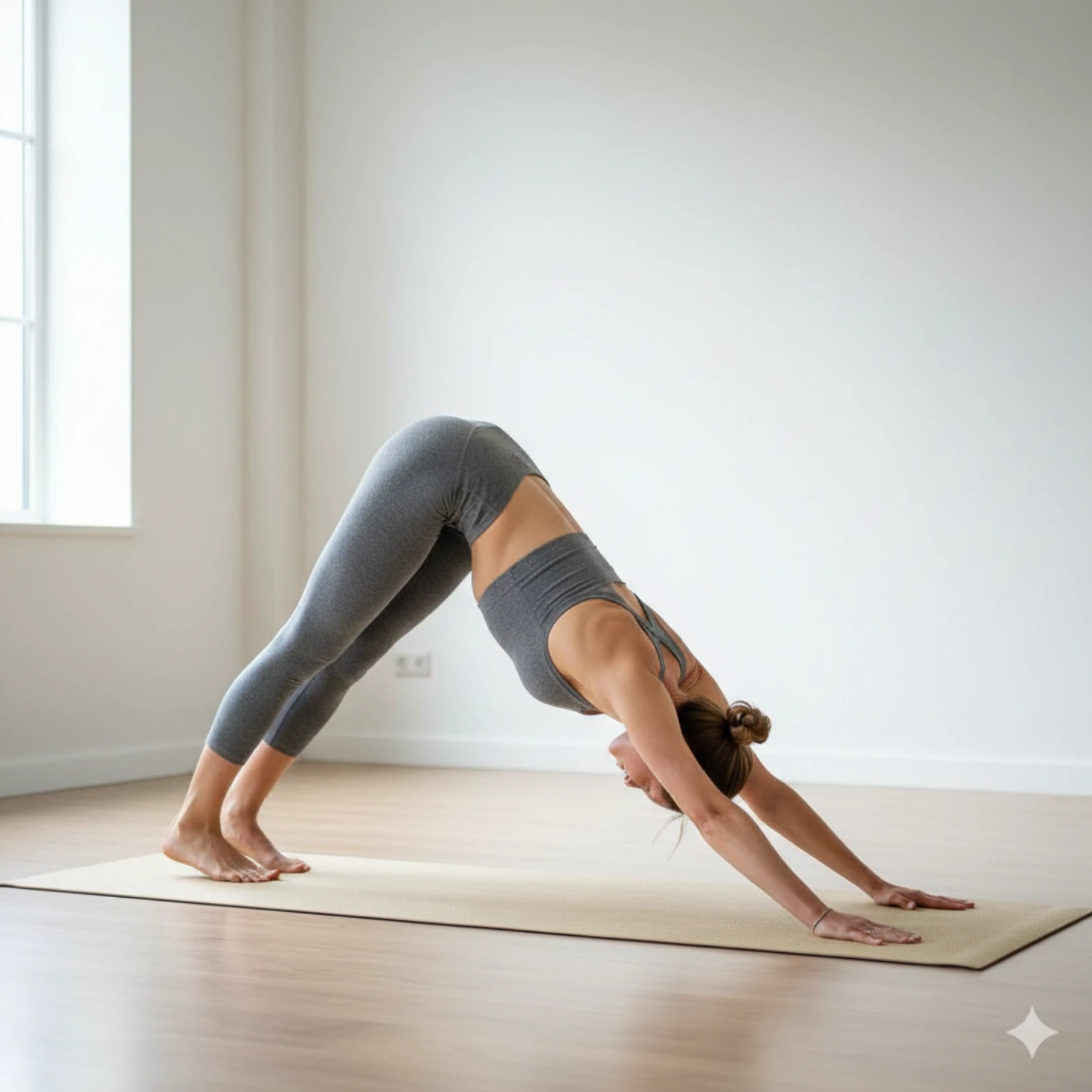
3. Downward-Facing Dog (Adho Mukha Svanasana)
From hands and knees, lift your hips up and back. It lengthens your entire posterior chain. Tight hamstrings are a major cause of lower back pain.
4. Sphinx Pose (Salamba Bhujangasana)
Lie on your belly, prop up on your forearms. This mild backbend strengthens the muscles supporting your lumbar spine.
5. Supine Twist (Supta Matsyendrasana)
Lie on your back, guide your right knee across your body to the left. This releases tension in the quadratus lumborum.
6. Bridge Pose (Setu Bandhasana)
Press into your feet and lift your hips. This activates your glutes and core. This pose appears frequently in 200 Hour Teacher Training.
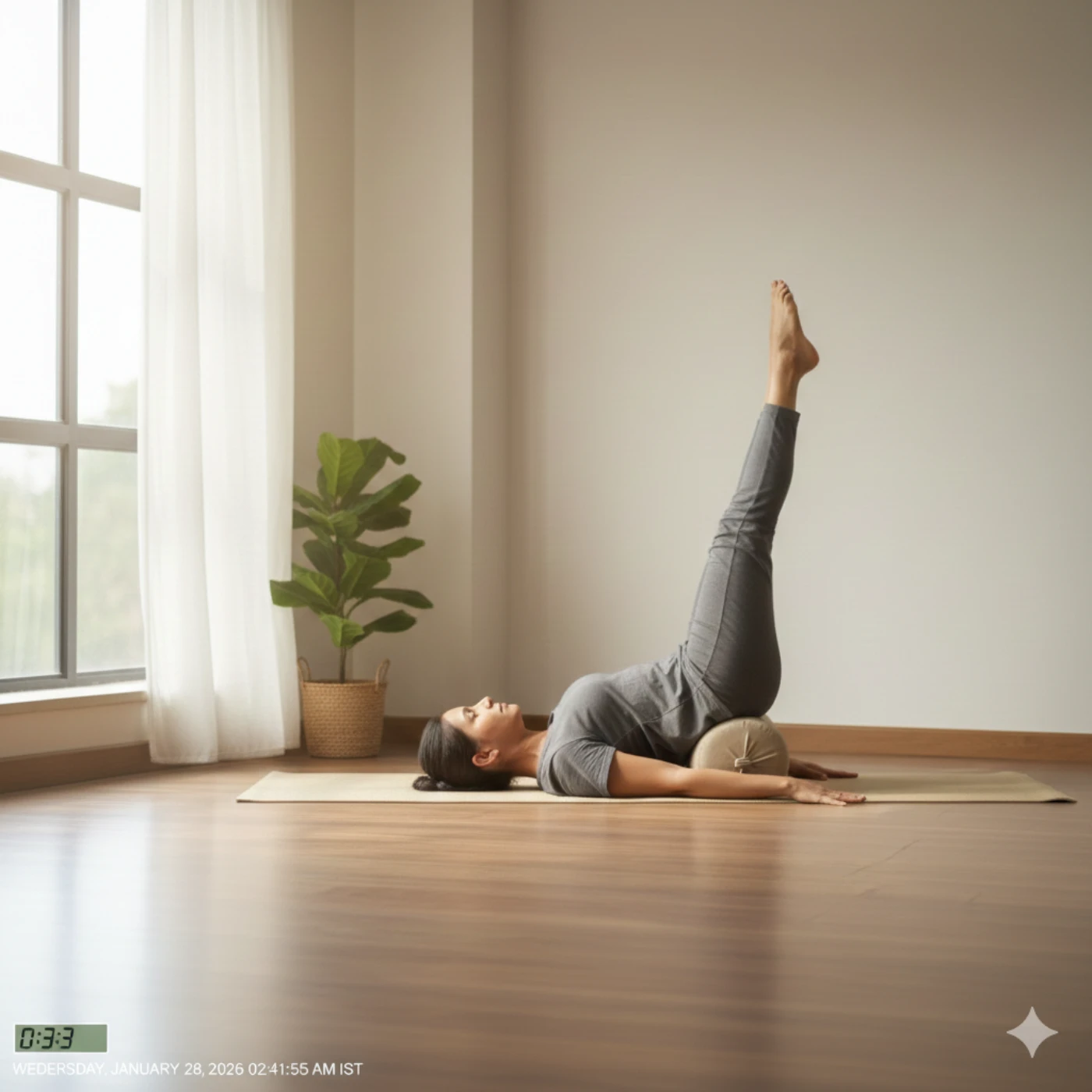
7. Legs-Up-the-Wall (Viparita Karani)
Lie back with your legs resting against a wall. This gentle inversion relieves pressure on your lower back while reducing inflammation.
When to Seek Additional Support
If you experience sciatica pain so bad you can't walk, sharp sensations, or numbness, consult a healthcare provider. You might also explore our guide on Yoga for Slip Disc and Sciatica which goes deeper into nerve decompression techniques.
Creating Your Practice Sequence
String these poses together for a 20-minute routine:
- Start with Cat-Cow (2 minutes)
- Move to Child's Pose (1 minute)
- Downward-Facing Dog (hold 5 breaths)
- Sphinx Pose (hold 5 breaths)
- Bridge Pose (3 repetitions)
- Supine Twist (1 minute each side)
- End in Legs-Up-the-Wall (5 minutes)
Conclusion: Supporting Your Practice
Yoga asanas work best within a holistic approach. Beyond the mat, consider your sleep posture, breathwork like Pranayama, and morning routines to combat stiffness. For those looking for deeper healing, Modern Ayurveda Wellness approaches can beautifully complement your yoga journey.
FAQs
-
How quickly will yoga relieve my lower back pain?
Most people notice some improvement within 2-3 weeks of consistent practice. However, chronic conditions may take 6-8 weeks to show significant change. The key is daily practice, even if it's just 10-15 minutes.
-
Can I do yoga if I have upper back pain too?
Absolutely. While this article focuses on lower back pain, many poses benefit the entire spine. For specific upper back relief, check out physiotherapy for upper back pain exercises that integrate well with yoga.
-
Is yoga better than physiotherapy for back pain?
They serve different purposes. Yoga excels at prevention and long-term maintenance, while physiotherapy targets acute injuries and structural problems. Our comprehensive comparison in #Yoga vs Physiotherapy for Back Pain# breaks down when to choose which approach.
-
What's the difference between stretches for lower back pain and yoga asanas?
Yoga asanas integrate breath, awareness, and multiple muscle groups simultaneously. Simple stretches often isolate single areas. The holistic nature of yoga creates more sustainable results.
-
Can pregnant women do these poses?
Some poses are safe during pregnancy, but modifications are essential. Pregnant and sciatica is a specific concern that needs specialized guidance. Always consult your healthcare provider first.