
Introduction

Yoga is far more than a physical workout—it is a holistic journey that harmonizes the body, mind, and spirit. Ancient yogic disciplines like Hatha and Ashtanga yoga continue to gain global recognition for their profound physical, mental, and spiritual benefits. Located in Rishikesh, widely regarded as the Yoga Capital of the World, Adhiroha offers immersive yoga teacher training programs designed to explore these classical practices in depth.
Whether you are stepping onto the mat for the first time or refining an established practice, both Hatha and Ashtanga yoga offer distinct yet complementary paths toward self-discovery and well-being. Ready to deepen your understanding of Hatha yoga and Ashtanga yoga under the guidance of experienced yoga training teachers India? Let’s explore their origins, benefits, and why Adhiroha is an ideal place to master these timeless yoga styles.
What is Hatha Yoga?
Hatha yoga is one of the most traditional and foundational forms of yoga, deeply rooted in ancient Indian philosophy. The word “Hatha” is derived from “Ha” (sun) and “Tha” (moon), symbolizing the balance of active and passive energies within the body. This practice emphasizes physical postures (asanas), controlled breathing (pranayama), and meditation to cultivate stability, awareness, and inner harmony.
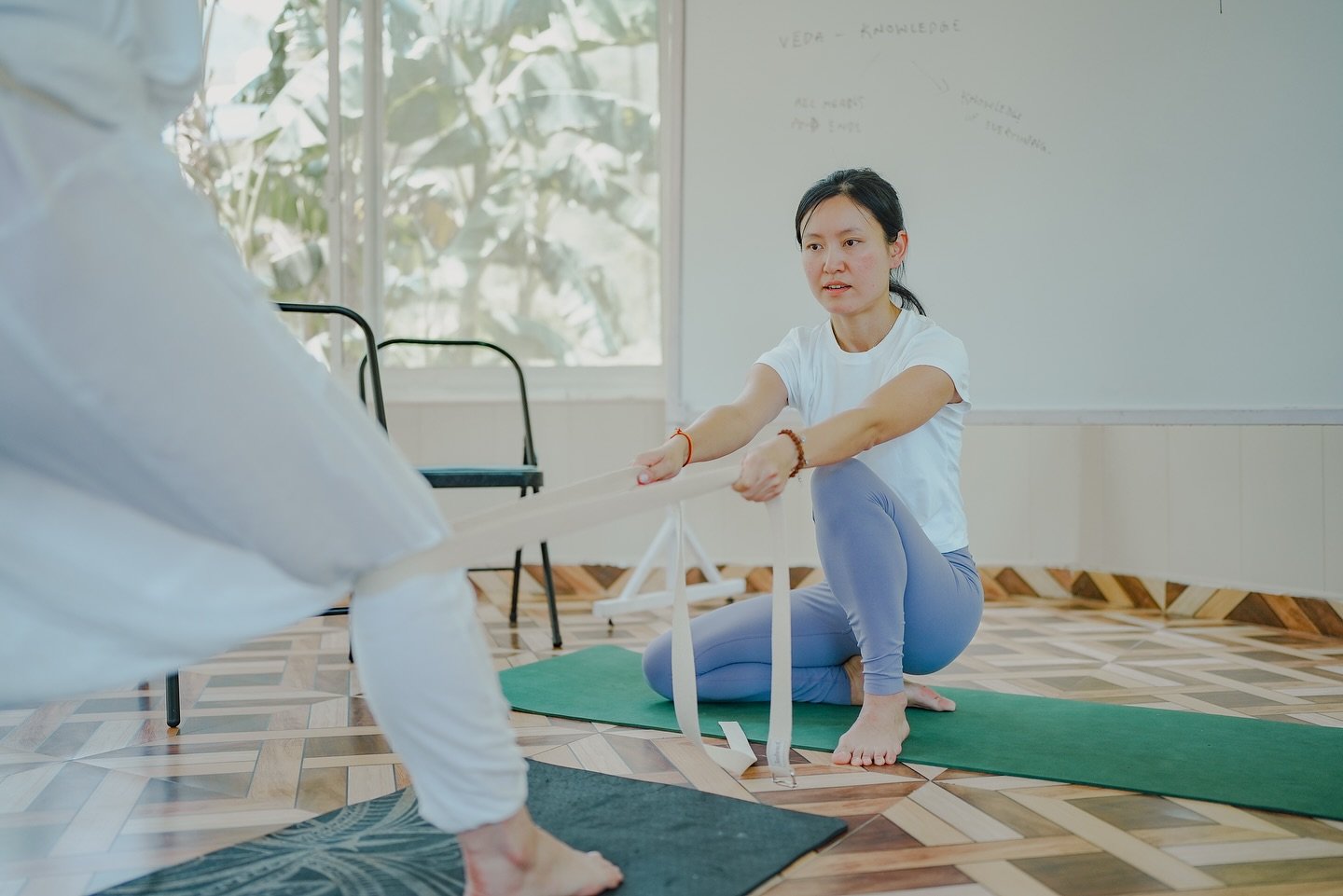
At Adhiroha, Hatha yoga classes are taught with a mindful, slow-paced approach that allows practitioners to fully experience each posture. This makes Hatha yoga particularly suitable for beginners, as well as those seeking yoga for mindfulness and stress reduction.
Many students enrolled in Adhiroha’s 200-hour yoga teacher training report that Hatha yoga helped them reconnect with their breath, improve posture, and cultivate mental clarity. Its accessible nature makes it an essential practice for aspiring yoga teachers and wellness seekers alike.
What is Ashtanga Yoga?

Ashtanga yoga is a structured and physically demanding style developed by Sri K. Pattabhi Jois in the 20th century. This practice follows a fixed sequence of postures linked through breath-synchronized movement, known as vinyasa. Traditionally taught through six progressive series, Ashtanga yoga builds strength, flexibility, endurance, and deep mental focus.
At Adhiroha, Ashtanga yoga is taught by highly qualified instructors, including teachers with advanced academic and practical training in yoga. Emphasis is placed on correct alignment, breath awareness, and gradual progression to ensure safety and long-term sustainability.
Students often describe Ashtanga yoga as a “moving meditation”—a practice that challenges the body while sharpening concentration. It is especially beneficial for those looking to enhance discipline and physical strength during their yoga teacher training journey.
Hatha vs. Ashtanga: Key Differences

Although both styles originate from classical yoga traditions, Hatha and Ashtanga yoga differ significantly in structure and intensity:
- Pace and Intensity: Hatha yoga is slow and deliberate, focusing on holding poses and cultivating awareness. Ashtanga yoga is dynamic and physically intense, requiring stamina and coordination.
- Structure: Hatha classes are flexible and adaptable, while Ashtanga follows a fixed sequence that encourages discipline and consistency.
- Focus: Hatha emphasizes balance, relaxation, and breath control, making it ideal for yoga for stress relief. Ashtanga emphasizes strength, flow, and mental focus.
- Suitability: Hatha suits beginners and those seeking a gentler practice, whereas Ashtanga appeals to practitioners looking for a rigorous and athletic challenge.
With guidance from Adhiroha’s yoga training teachers India, students can experience and master both styles based on their personal goals.
Benefits of Hatha and Ashtanga Yoga

Both yoga styles, integrated into Adhiroha’s yoga teacher training, offer transformative benefits:
- Hatha Yoga Benefits: Enhances flexibility, improves posture, calms the nervous system, and supports yoga for mindfulness.
- Ashtanga Yoga Benefits: Builds muscular strength, increases cardiovascular endurance, sharpens focus, and cultivates self-discipline.
- Shared Benefits: Both practices improve circulation, mental clarity, and contribute to holistic stress relief, supported by Adhiroha’s Yoga Alliance standards.
Key Poses in Hatha and Ashtanga Yoga
Hatha Yoga Poses
- Mountain Pose (Tadasana): Improves alignment, posture, and grounding.
- Child’s Pose (Balasana): Gently stretches the spine and calms the mind.
- Corpse Pose (Savasana): Encourages complete relaxation and integration of practice.
Ashtanga Yoga Poses
- Sun Salutation A (Surya Namaskar A): Builds heat and prepares the body for practice.
- Warrior I (Virabhadrasana I): Strengthens legs and enhances stability.
- Seated Forward Bend (Paschimottanasana): Lengthens the spine and calms the nervous system.
Adhiroha’s yoga training teachers India ensure safe alignment and personalized modifications.
Learn Hatha and Ashtanga at Adhiroha
Adhiroha’s yoga teacher training programs in Rishikesh integrate both Hatha and Ashtanga yoga across 200-hour, 300-hour, and 500-hour certifications. Recognized by Yoga Alliance and India’s Ministry of Ayush, these programs cover asanas, pranayama, meditation, yoga philosophy, and teaching methodology.
Set in the peaceful surroundings of Upper Tapovan near the Ganga and Himalayas, students benefit from daily expert-led classes, nourishing sattvic meals, and a supportive learning community.
Planning Your Hatha and Ashtanga Yoga Journey
Prepare for a rewarding experience with these practical tips:
- Best Time to Visit: October to March offers comfortable weather for yoga practice in Rishikesh.
- Travel Logistics: Arrive via Dehradun (DED) airport; Adhiroha provides complimentary pickup.
- Preparation: Build a regular yoga routine before arrival, especially for Ashtanga practice.
- Essentials: Bring breathable clothing, a journal, and reusable water bottle.
Conclusion: Embrace Hatha and Ashtanga with Adhiroha
Hatha and Ashtanga yoga each offer powerful tools for cultivating balance, strength, and mindfulness. Practicing at Adhiroha in Rishikesh allows you to experience these traditions authentically through expert-led yoga teacher training and immersive programs. Begin your journey by applying via Adhiroha’s Application Form, and explore related insights such as Yoga for Stress Relief or Meditation Techniques for Beginners. For inquiries, contact info@adhiroha.com and take the first step toward a deeper yoga practice.
FAQs
-
Is Hatha Yoga good for beginners?
Yes, it’s perfect for beginners as it is slow and gentle.
-
How is Ashtanga different from Hatha Yoga?
Hatha is slow-paced, while Ashtanga is fast and physically demanding.
-
Can beginners do Ashtanga Yoga?
Yes, but it’s challenging—best to start with a teacher.
-
Is Hatha Yoga only physical exercise?
No, it also balances energy and brings inner peace.
-
What are the benefits of Hatha Yoga?
t improves flexibility, balance, relaxation, and overall wellness.