
Introduction
Hatha Yoga, the foundation of many modern yoga practices, is a holistic system that balances body, mind, and spirit through disciplined practices. Hatha Yoga’s four limbs—Asana, Pranayama, Mudra, and Shatkarma—offer a transformative path to wellness. At Adhiroha in Rishikesh, the Yoga Capital of the World, yoga teacher training programs dive deep into these limbs, guided by expert yoga training teachers India. Whether you’re a beginner or an advanced practitioner, understanding these components can elevate your practice. Ready to explore the four limbs of Hatha Yoga with Adhiroha? Let’s get started!
What is Hatha Yoga?
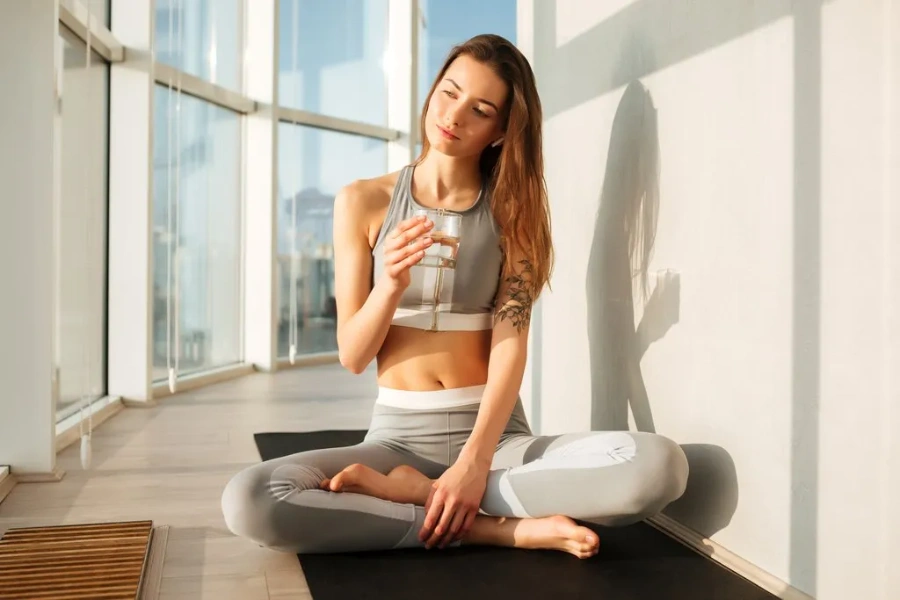
Hatha Yoga, rooted in ancient Indian texts like the Hatha Yoga Pradipika, aims to balance the body’s energies—“Ha” (sun) and “Tha” (moon)—through physical and mental practices. Its four limbs—Asana (postures), Pranayama (breath control), Mudra (gestures), and Shatkarma (cleansing)—work together to purify the body, calm the mind, and prepare for spiritual growth. At Adhiroha’s Hatha Yoga training, these limbs are taught to foster yoga for mindfulness and yoga for stress relief.
1. Asana (Physical Postures)
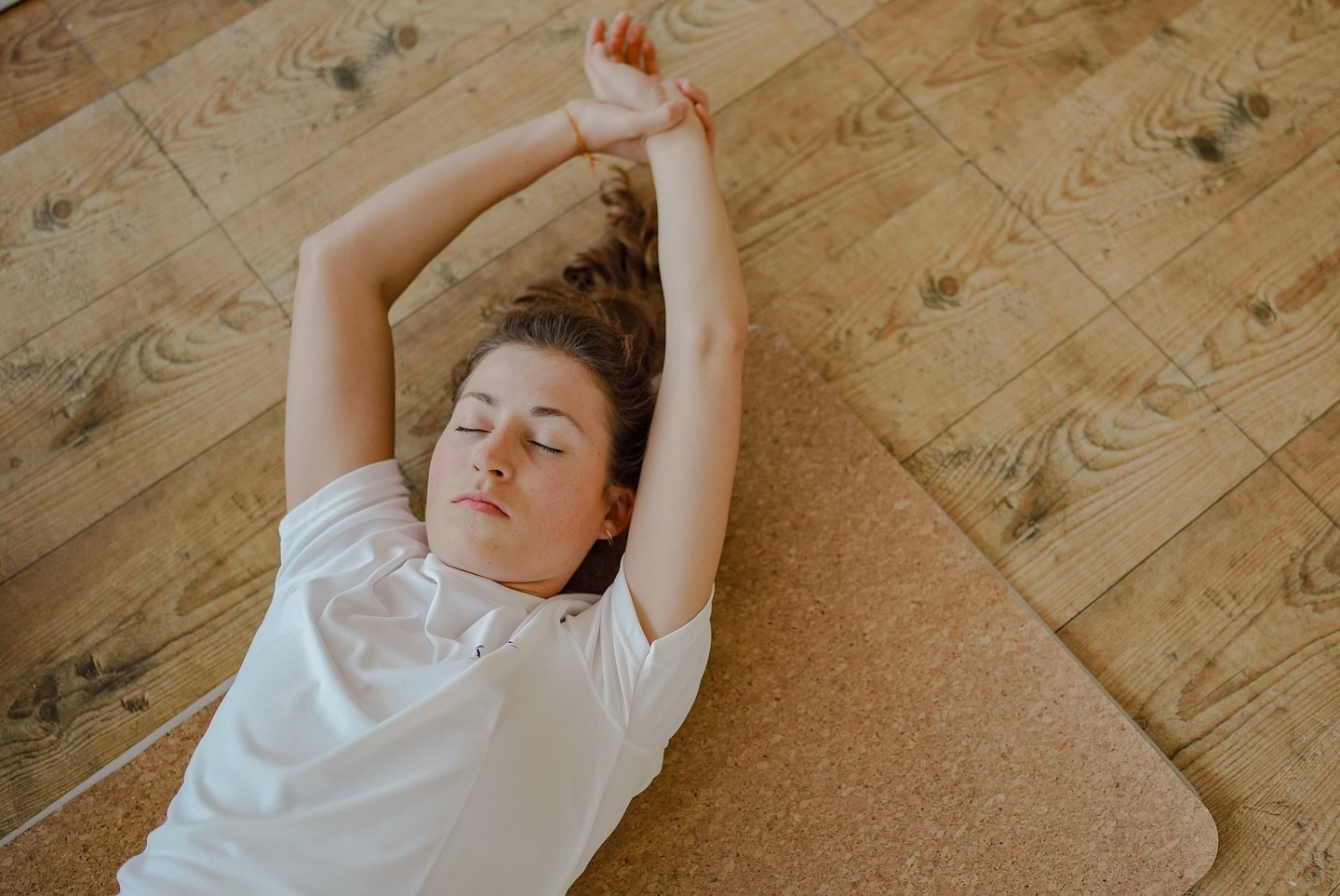
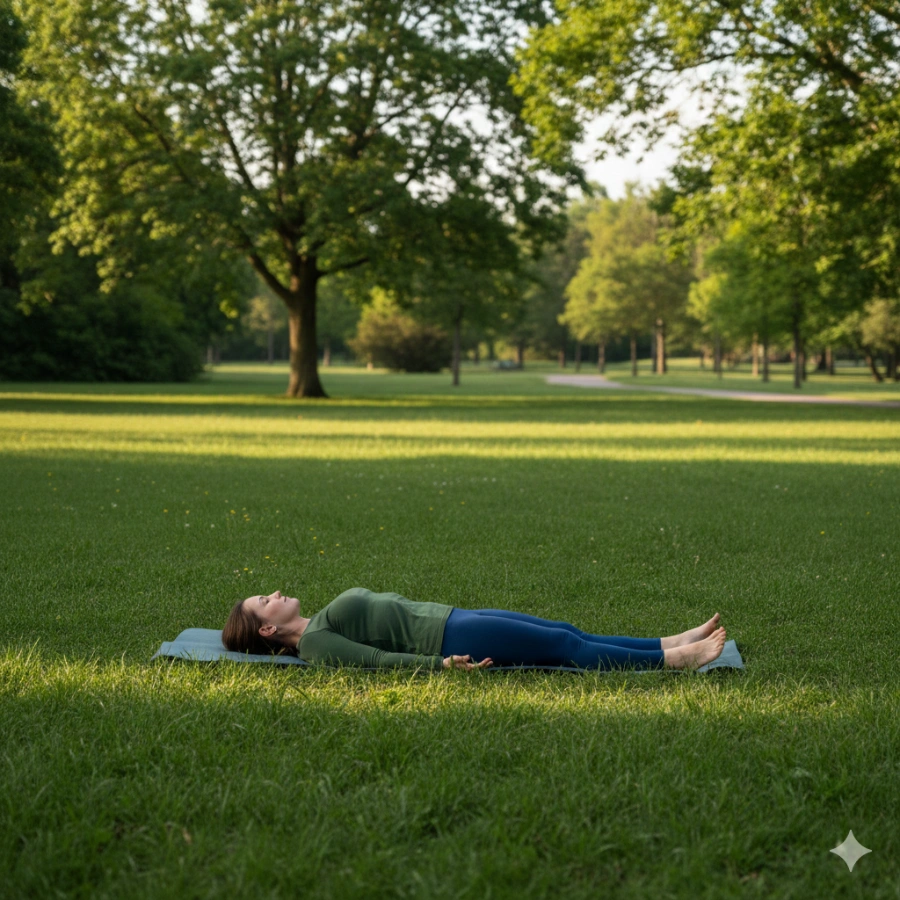
Asana, the most recognized limb of Hatha Yoga, involves physical postures designed to strengthen the body, improve flexibility, and enhance alignment. Poses like Mountain Pose (Tadasana), Downward Facing Dog (Adho Mukha Svanasana), and Corpse Pose (Savasana) promote physical health and prepare the body for meditation. At Adhiroha, yoga teacher training emphasizes precise alignment and safe modifications suitable for all levels. Asanas also help calm the nervous system, making them essential for yoga for stress relief.
2. Pranayama (Breath Control)
Pranayama is the practice of regulating breath to control the flow of prana (life force energy) in the body. Techniques such as Deep Breathing, Alternate Nostril Breathing (Nadi Shodhana), and Kapalabhati improve lung capacity, reduce stress, and enhance mental clarity. At Adhiroha, experienced yoga training teachers India guide students through pranayama practices that support emotional balance and mindfulness.
3. Mudra (Gestures)
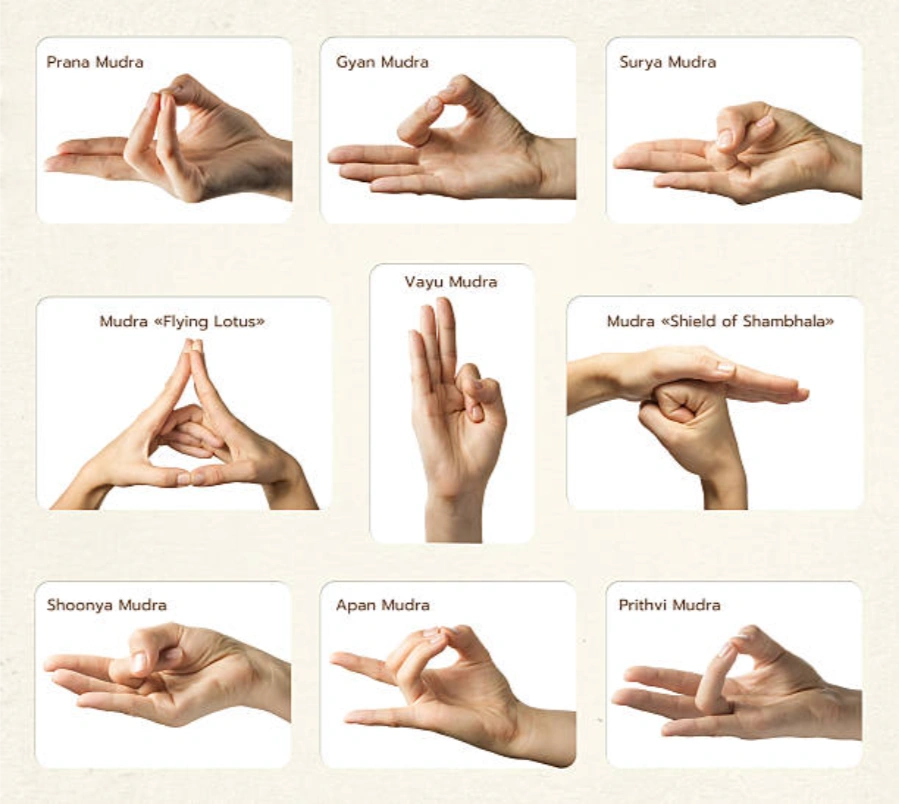
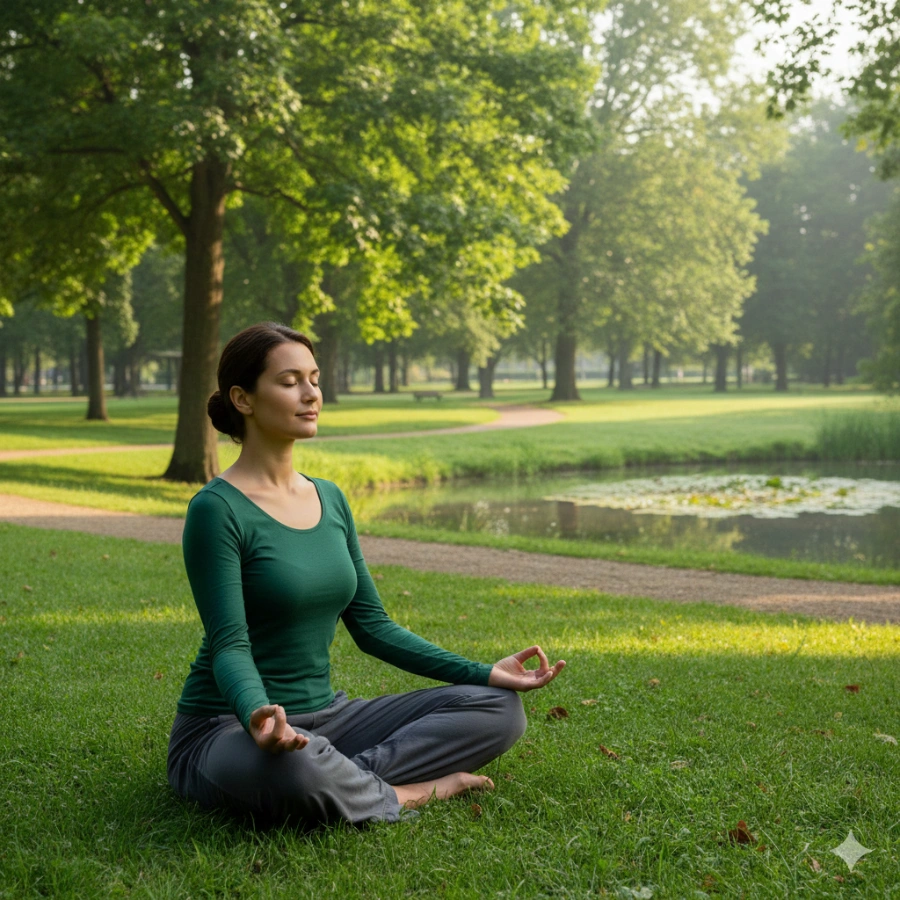
Mudras are symbolic hand gestures or body positions used to direct energy flow and deepen meditation. Common mudras include Gyan Mudra, which enhances wisdom and concentration, and Anjali Mudra, which promotes balance and gratitude. In Adhiroha’s yoga teacher training, mudras are taught as supportive tools for meditation, pranayama, and spiritual awareness.
4. Shatkarma (Cleansing Practices)
Shatkarma consists of six traditional cleansing techniques—Neti, Dhauti, Nauli, Basti, Kapalabhati, and Trataka—designed to purify the body and mind. These practices help detoxify internal organs, improve digestion, and prepare practitioners for advanced yoga techniques. At Adhiroha, selected shatkarma methods are taught under expert supervision to ensure safety and effectiveness.
Benefits of the Four Limbs of Hatha Yoga
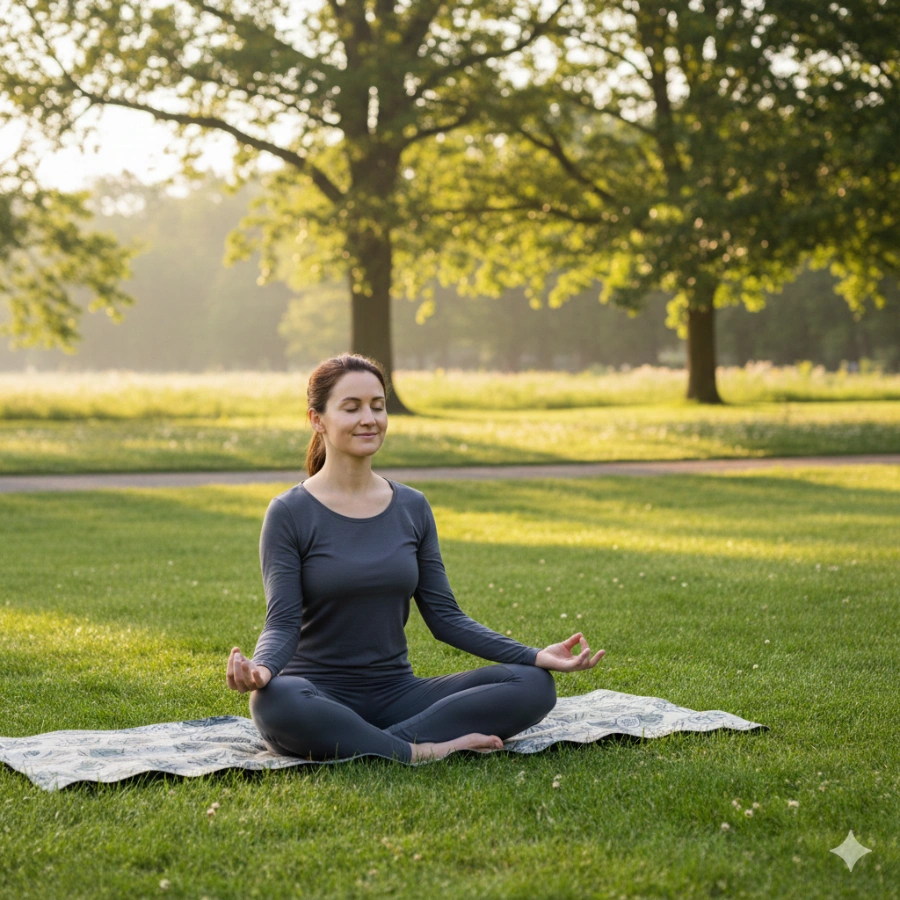
- Physical Health: Enhances strength, flexibility, and internal cleansing.
- Mental Clarity: Reduces stress, anxiety, and mental fatigue.
- Spiritual Growth: Prepares the body and mind for deeper meditation and self-awareness.
- Holistic Balance: Supports overall well-being through integrated yogic practices.
Master the Four Limbs at Adhiroha
Adhiroha’s yoga teacher training in Rishikesh is certified by Yoga Alliance and India’s Ministry of AYUSH. The 200-hour, 300-hour, and 500-hour programs integrate Asana, Pranayama, Mudra, and Shatkarma through daily practice, meditation, teaching methodology, and yogic lifestyle immersion. The serene Upper Tapovan campus near the Ganga offers the perfect environment for deep learning and transformation.
Planning Your Hatha Yoga Journey
- Best Time to Visit: October to March offers pleasant weather for yoga practice.
- Travel: Reach Rishikesh via Dehradun airport, with pickup support from Adhiroha.
- Preparation: Practice basic postures and breathing techniques before arrival.
- Essentials: Comfortable clothing, journal, reusable water bottle, and personal items.
Conclusion: Embrace the Four Limbs of Hatha Yoga
The four limbs of Hatha Yoga—Asana, Pranayama, Mudra, and Shatkarma—form a complete path toward physical vitality, mental clarity, and spiritual growth. At Adhiroha in Rishikesh, these practices are taught authentically through immersive yoga teacher training and retreats. Begin your journey by applying through Adhiroha’s Application Form or contact info@adhiroha.com for guidance.
FAQs
-
What do the 4 limbs of Hatha Yoga represent?
They represent a step-by-step path to balance the body, breath, energy, and mind.
-
Why are these 4 limbs important in Hatha Yoga?
They balance body, breath, energy, and mind for overall well-being.
-
Is Hatha Yoga only about physical postures (asanas)?
No, it also includes breathing, energy practices, and meditation.
-
How do Mudras and Bandhas help in Hatha Yoga?
They channel energy, improve focus, and deepen spiritual practice.
-
Can beginners practice all 4 limbs of Hatha Yoga?
Yes, but usually they start with Asana and Pranayama, then gradually move to Mudras, Bandhas, and Meditation.