
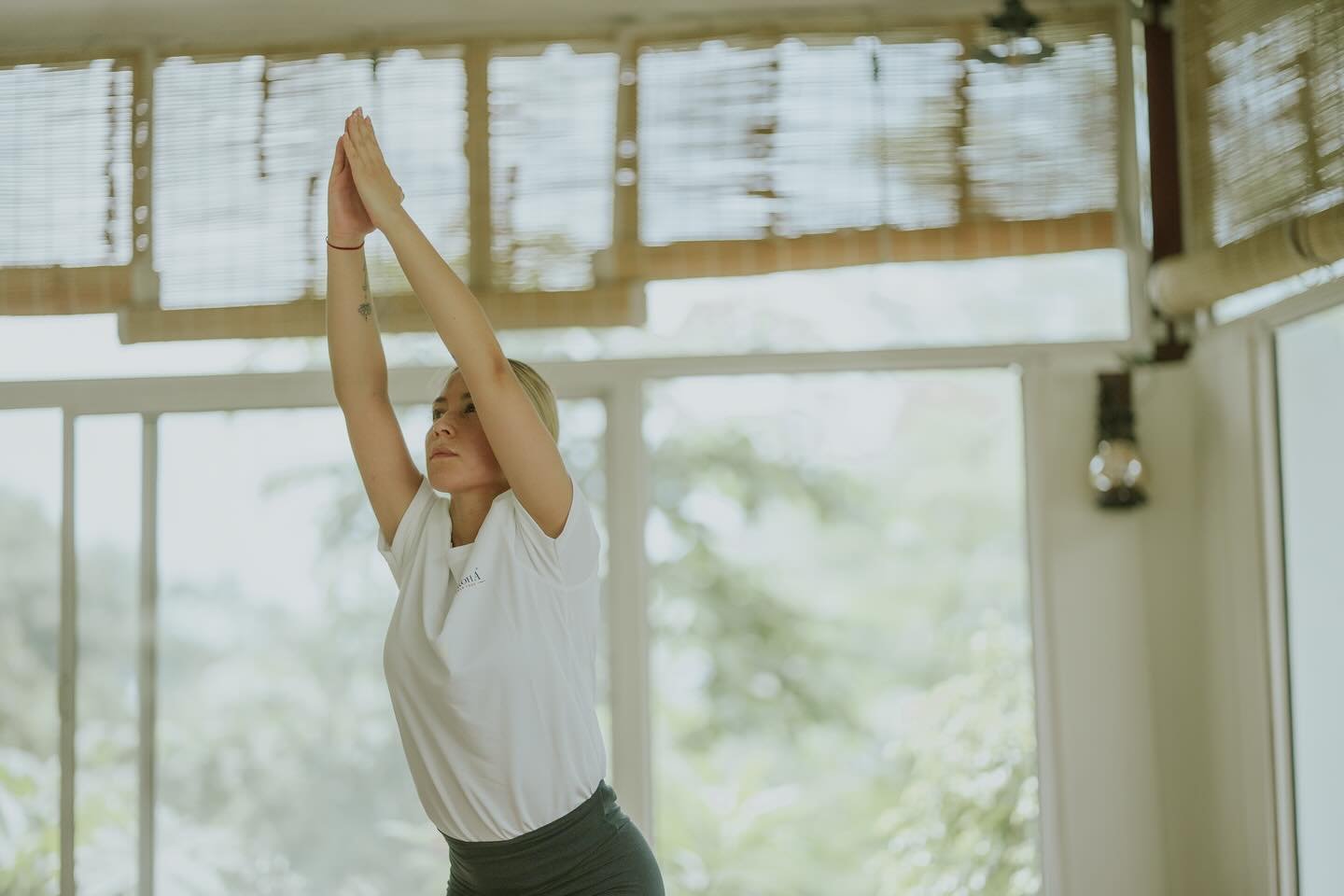
Introduction
Surya Namaskar, or Sun Salutation, is one of the most essential sequences in yoga, blending movement, breath, and mindfulness into a holistic practice. This dynamic sequence forms the foundation for beginners and advanced practitioners alike, whether practicing at home or through yoga teacher training India. At Adhiroha in Rishikesh, the Yoga Capital of the World, Surya Namaskar is a cornerstone of every yoga teacher certification India program, preparing students for deeper asanas and fostering mental focus. Ready to explore Surya Namaskar’s transformative power with Adhiroha? Let’s begin!
Why Surya Namaskar Matters
Surya Namaskar is more than a series of poses—it’s a complete mind-body practice that builds strength, focus, and balance. Its benefits include:
- Strengthens muscles, improves posture, and enhances flexibility.
- Supports digestion and improves blood circulation.
- Enhances lung capacity and oxygen intake.
- Improves concentration and relieves stress.
- Prepares students for any yoga instructor course India or yoga teacher training course India.
At Adhiroha, Surya Namaskar is integrated into every yoga teacher certification India program to cultivate a disciplined, mindful, and physically strong practice. A 2024 grad shared, “Surya Namaskar at Adhiroha energized my body and calmed my mind like nothing else!”
Step-by-Step Surya Namaskar (Sun Salutation)
Below is the complete 12-step sequence of Surya Namaskar, with guidance, benefits, and Adhiroha tips for mindful practice, as taught in Rishikesh yoga teacher training programs.
-
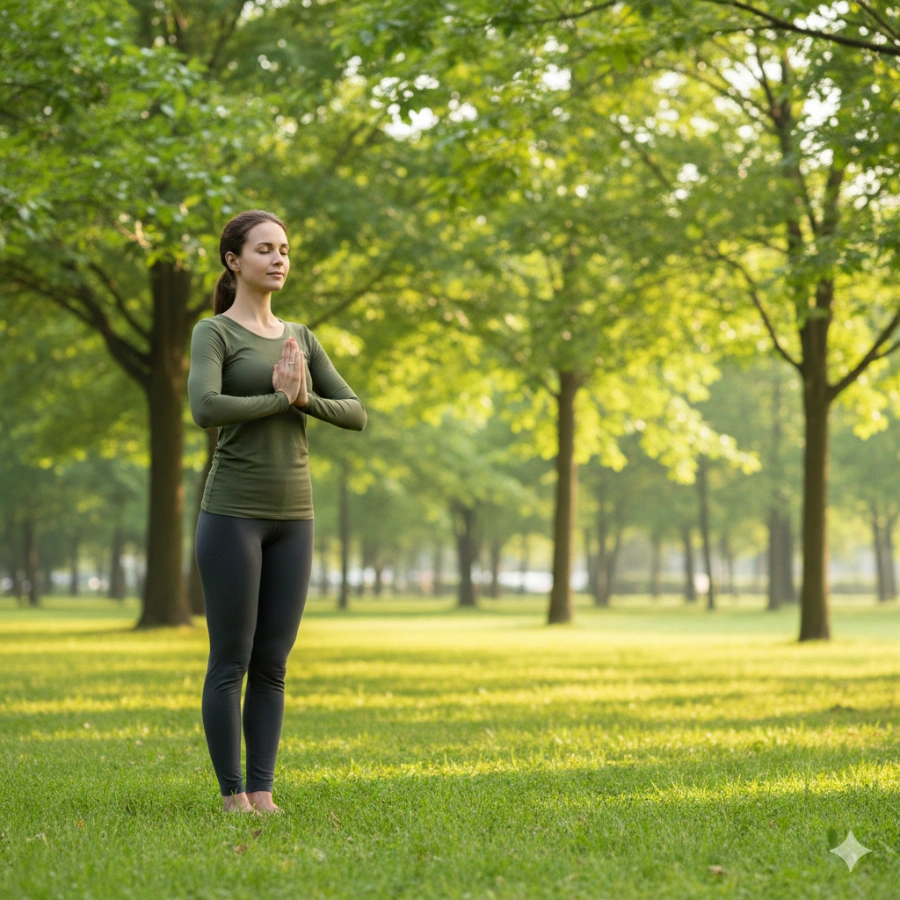
Pranamasana (Prayer Pose)
How to: Stand tall, palms together at chest, and breathe steadily.
Grounds the mind and body, setting the stage for the flow.
Focus Point: Pay attention to your breath and posture. Feel your feet rooting into the ground and your spine elongating.
Adhiroha Tip: Set an intention for your practice. Beginners in a yoga teacher course India find this helps focus energy and attention.
-
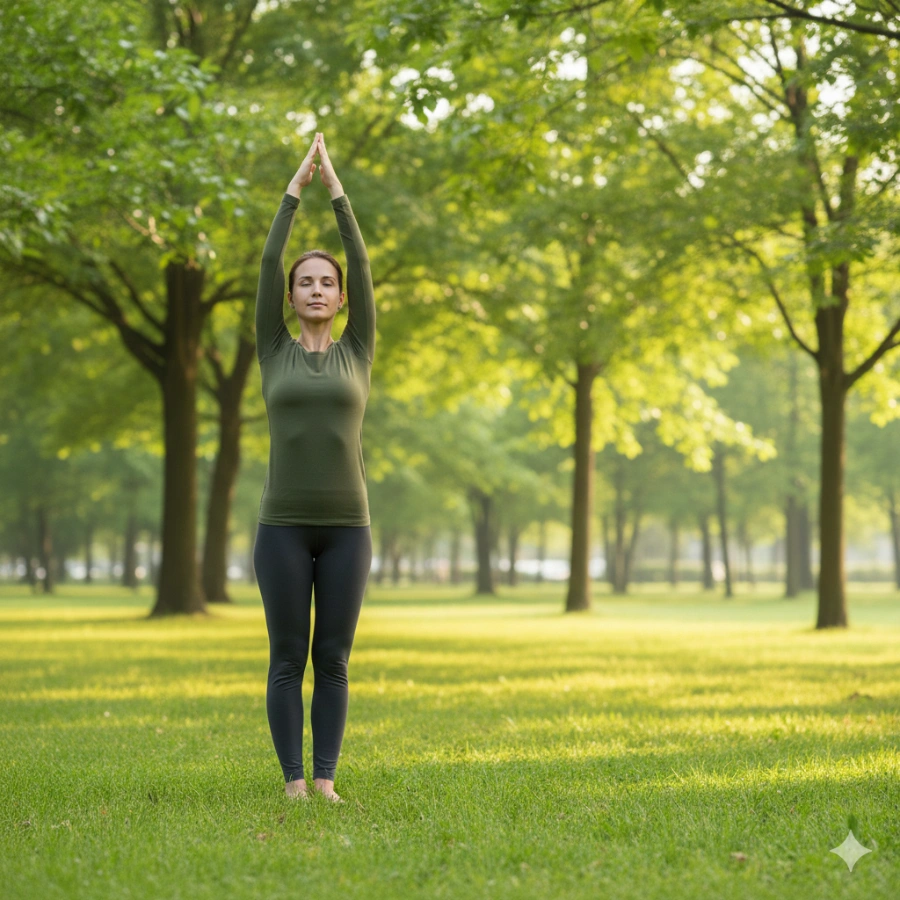
Hasta Uttanasana (Raised Arms Pose)
How to: Inhale. Lift arms overhead, stretching upward with a gentle backbend.
Engages the core and opens the chest, preparing for the forward fold.
Focus Point: Lengthen the spine evenly. Keep the lower back protected and feel the stretch in your shoulders.
Adhiroha Tip: Avoid collapsing the lower back. Imagine elongating the spine rather than arching excessively.
-
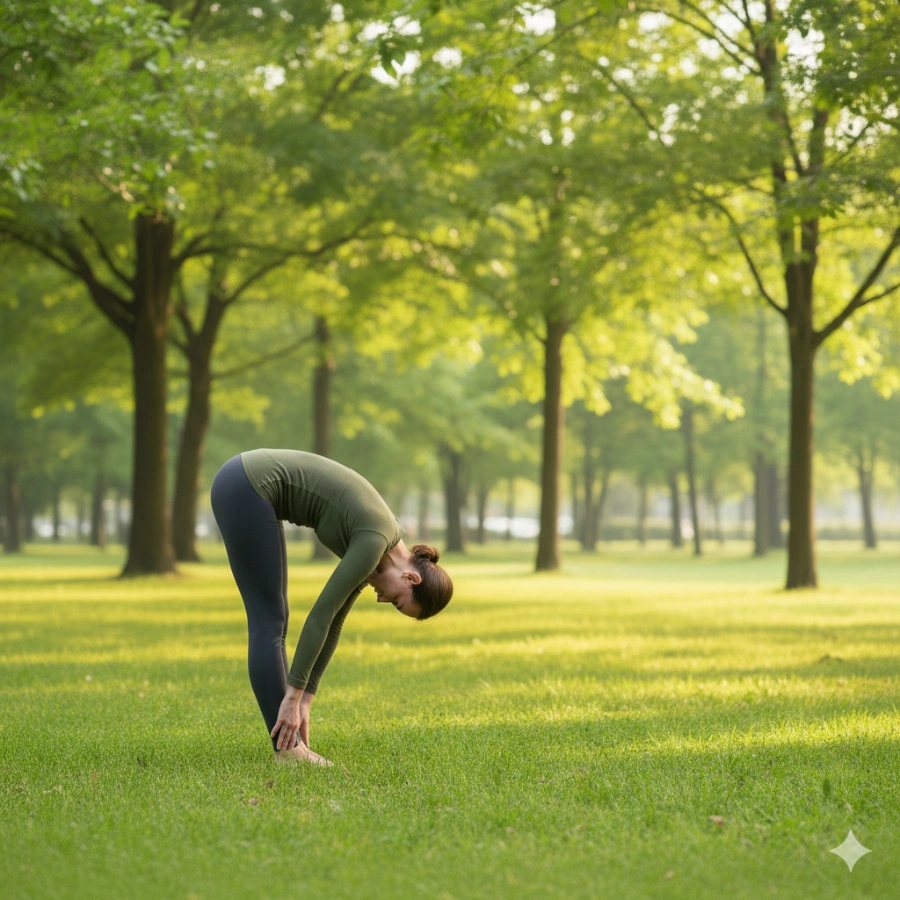
Padahastasana (Hand to Foot Pose)
How to: Exhale. Fold forward from the hips, hands beside your feet, knees slightly bent if needed.
Relaxes the neck and stretches the hamstrings, improving circulation to the brain.
Focus Point: Focus on lengthening the spine rather than forcing a deep fold. Let the head hang naturally.
Adhiroha Tip: Don’t force your head to touch your knees. Breathe into the stretch and release tension in the neck and shoulders.
-
Ashwa Sanchalanasana (Low Lunge)
How to: Inhale. Step the right leg back, left knee bent, chest open.
Opens hips, stretches hip flexors, and strengthens legs.
Focus Point: Maintain even weight distribution and spine alignment. Gaze forward to aid balance.
Adhiroha Tip: Beginners in Rishikesh yoga programs should keep their gaze forward to maintain balance and alignment.
-
Dandasana (Plank Pose)
How to: Hold your breath. Step the left leg back into a straight body line. Core tight, shoulders over wrists.
Strengthens arms, wrists, and core, building stability for other asanas.
Focus Point: Keep a straight line from head to heels, engage the core, and maintain steady breathing.
Adhiroha Tip: Avoid letting hips sag. Think of your body as a solid plank of wood.
-
Ashtanga Namaskara (Eight Limbs Pose)
How to: Exhale. Lower knees, chest, and chin to the floor, hips slightly raised.
Strengthens arms and prepares for backbends, keeping elbows close to the ribs.
Focus Point: Control the descent, keeping elbows tight to the body. Engage arms and core for stability.
Adhiroha Tip: Avoid dropping the hips too low to prevent lower back strain.
-
Bhujangasana (Cobra Pose)
How to: Inhale. Slide forward, lift chest, elbows slightly bent. Shoulders relaxed.
Strengthens the spine and chest while opening the heart center.
Focus Point: Focus on gentle spinal extension and opening the chest. Maintain smooth, steady breathing.
Adhiroha Tip: Beginners in a yoga instructor training in India should focus on gentle lifting rather than pushing too high.
-
Adho Mukha Svanasana (Downward Dog Pose)
How to: Exhale. Push hips upward to form an inverted V. Heels toward the mat.
Lengthens the spine, stretches the hamstrings, and energizes the body.
Focus Point: Pay attention to spine length, shoulder placement, and even weight distribution. Slightly bend knees if needed.
Adhiroha Tip: Focus on maintaining a long spine and steady breath, bending knees if needed.
-
Ashwa Sanchalanasana (Low Lunge – Opposite Side)
How to: Inhale. Step the right foot forward, left leg extended back, chest lifted, spine long.
Balances both sides of the body and stretches hip flexors evenly, improving flexibility and core strength.
Focus Point: Ensure even weight distribution and an engaged core. Keep the spine long and chest open.
Adhiroha Tip: Keep shoulders relaxed and avoid leaning too far forward. Beginners should prioritize alignment over depth.
-
Padahastasana (Hand to Foot Pose)
How to: Exhale. Step left foot forward, fold over both legs.
Releases tension in the back and neck, calming the nervous system.
Focus Point: Focus on releasing tension in the back, neck, and shoulders. Keep breathing steadily.
Adhiroha Tip: Avoid forcing the head to the knees. Let gravity assist the fold and maintain a relaxed neck.
-
Hasta Uttanasana (Raised Arms Pose)
How to: Inhale. Sweep arms overhead, gentle backbend.
Re-engages core and stretches the front body.
Focus Point: Engage lower abs to protect the lower back. Feel the stretch along the front of the body.
Adhiroha Tip: Focus on elongating the spine rather than pushing the backbend. Controlled breathing enhances stability.
-
Pranamasana (Prayer Pose)
How to: Exhale. Return palms to chest, stand tall, and pause.
Completes one cycle of Surya Namaskar. Beginners can start with 4 rounds and gradually increase to 12.
Focus Point: Pay attention to energy flow and body awareness. Normalize your breath and feel calm.
Adhiroha Tip: Reflect on the practice and feel gratitude for your body and mind. This pause enhances mindfulness for subsequent rounds.
Health Benefits of Surya Namaskar
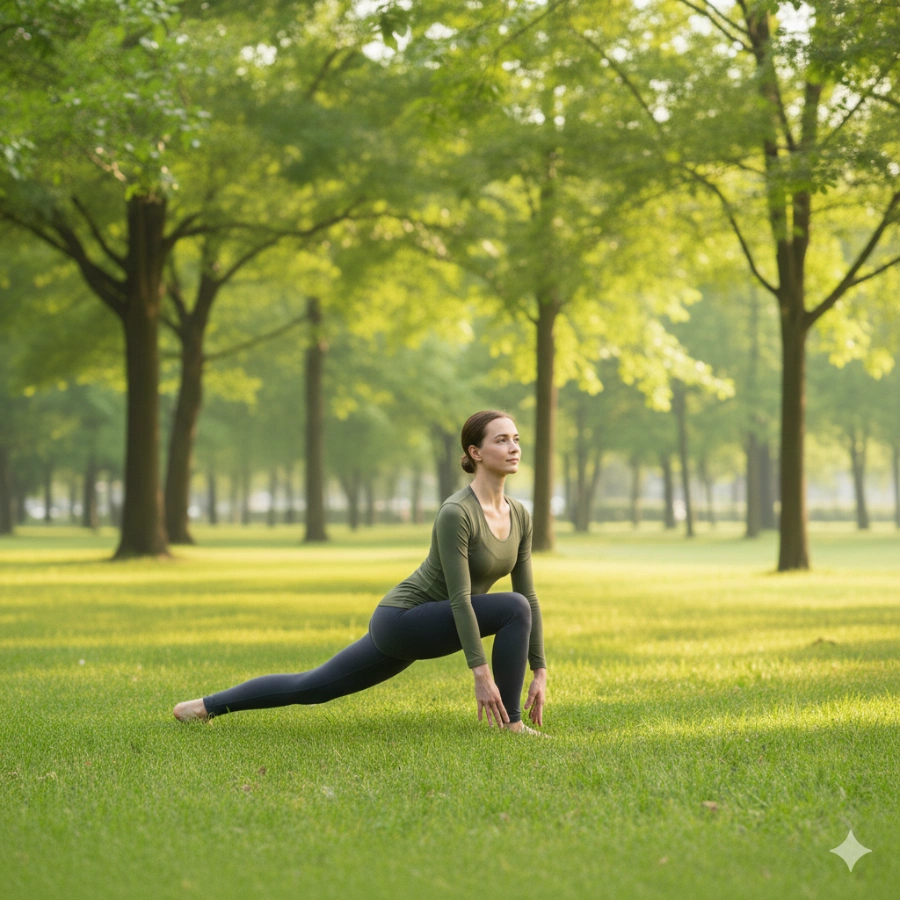
Surya Namaskar improves overall health, mind-body coordination, and energy flow. Regular practice can:
- Enhance flexibility and posture.
- Increase lung capacity and strengthen the heart.
- Promote mental clarity and stress relief.
- Support weight management and digestion.
- Serve as a strong foundation for yoga teacher India aspirants.
This is why every 200-hour yoga teacher training Rishikesh and advanced 300/500-hour yoga training courses India incorporate Surya Namaskar daily. A grad shared, “Surya Namaskar at Adhiroha became my daily ritual for strength and calm!”
Spiritual Essence of Surya Namaskar
Beyond physical benefits, Surya Namaskar connects practitioners with the sun’s energy. Traditionally, each posture is paired with a mantra, expressing gratitude and fostering mindfulness. Practicing with attention transforms the routine into a moving meditation. At Adhiroha, students in yoga teacher training course India are encouraged to focus on breath, set intentions, and embrace awareness between poses. This spiritual practice builds discipline, patience, and inner calm—qualities essential for aspiring yoga instructors in India.
Master Surya Namaskar with Adhiroha
Adhiroha’s yoga teacher training in Rishikesh, certified by Yoga Alliance and India’s Ministry of Ayush, integrates Surya Namaskar into its 200-hour, 300-hour, and 500-hour programs. Held at the serene Upper Tapovan campus by the Ganga, the training includes daily practice, sattvic meals, and expert guidance from yoga training teachers India. A 2024 grad shared, “Learning Surya Namaskar at Adhiroha gave me confidence to teach and practice mindfully!”
Conclusion: Embrace Surya Namaskar with Adhiroha
Surya Namaskar is your gateway to yoga, blending physical strength, mental clarity, and spiritual connection. At Adhiroha in Rishikesh, master this transformative sequence through yoga teacher training or yoga retreats. Join our 200-hour, 300-hour, or 500-hour programs via Adhiroha’s Application Form. Explore related reads like Yoga for Stress Relief, Meditation Techniques for Beginners, or Why Rishikesh is the Best Place for Yoga. Contact info@adhiroha.com to start your Surya Namaskar journey today!
FAQs
-
How to do a Surya Namaskar?
Follow the 12-step sequence: Pranamasana, Hasta Uttanasana, Padahastasana, Ashwa Sanchalanasana, Dandasana, Ashtanga Namaskara, Bhujangasana, Adho Mukha Svanasana, Ashwa Sanchalanasana (other side), Padahastasana, Hasta Uttanasana, Pranamasana. Match each movement with breath.
-
What are the 12 steps in Surya Namaskar?
Pranamasana, Hasta Uttanasana, Padahastasana, Ashwa Sanchalanasana, Dandasana, Ashtanga Namaskara, Bhujangasana, Adho Mukha Svanasana, Ashwa Sanchalanasana (opposite side), Padahastasana, Hasta Uttanasana, Pranamasana.
-
How to do Yoga Namaskar?
Yoga Namaskar is another name for Surya Namaskar. Follow the 12-step sequence, coordinating each pose with your breath. Beginners can start with 4 rounds daily
-
When to do Surya Namaskar?
Morning, preferably facing the sun, on an empty stomach, is ideal. Evening practice is acceptable if mornings aren’t convenient.
-
How many minutes does Surya Namaskar take per day?
One round takes about 2–3 minutes. Beginners can start with 10 minutes (4 rounds), while regular practice may last 20–25 minutes (12 rounds).
-
What are the common mistakes in Surya Namaskar?
Rushing through poses, not coordinating with breath, collapsing the back in cobra or raised arms, skipping relaxation, or practicing immediately after meals.
-
What are the benefits of Surya Namaskar?
It improves flexibility, tones muscles, strengthens the heart and lungs, reduces stress, and enhances mental clarity — forming the foundation for anyone pursuing yoga teacher training India.