
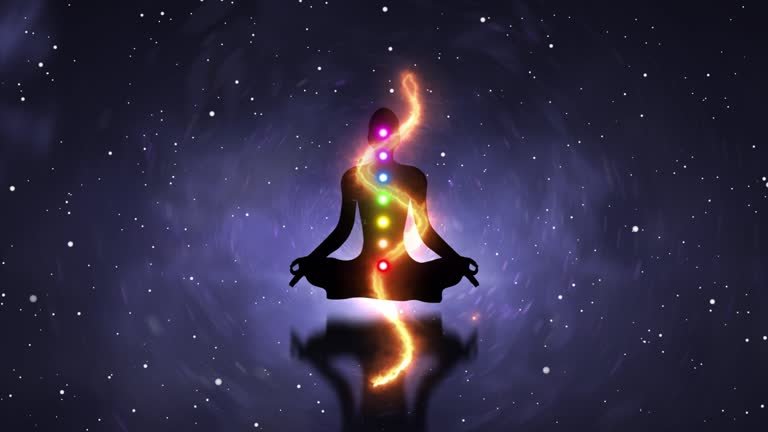
Kundalini Yoga vs Other Yoga Styles: What Makes It Different
Walking into a yoga studio for the first time can feel overwhelming. Hatha, Vinyasa, Ashtanga, Yin, Kundalini—the options seem endless.
Each style promises transformation. But they deliver completely different experiences.
What is kundalini yoga, and how does it actually differ from that Vinyasa class your friend raves about? Or the Ashtanga practice your colleague swears by?
The answer matters more than you might think.
Choosing the wrong style wastes time, money, and energy. Worse, it can leave you feeling like yoga "just isn't for you" when really, you simply haven't found your match.
Here's the truth: Kundalini yoga isn't just another fitness class with Sanskrit names. It's an ancient technology designed specifically for consciousness transformation and spiritual awakening.
While other styles focus primarily on physical postures, kundalini and yoga work together to activate dormant energy in your spine, balance your nervous system, and create rapid shifts in how you think, feel, and experience reality.
What Makes Kundalini Yoga Unique?
Kundalini yoga stands apart from other yoga styles in one fundamental way: its primary focus is awakening dormant spiritual energy.
While most yoga practices emphasize physical postures, kundalini yoga treats the body as a vehicle for consciousness transformation.
The core differences:
Kundalini combines dynamic movements with specific breathing patterns, chanting, and meditation—all designed to activate kundalini energy coiled at the base of your spine.
According to the ancient text Hatha Yoga Pradipika (Chapter 3, Verse 1), "Kundalini sleeps above the kanda, and she gives liberation to yogis and bondage to fools."
This energetic awakening process distinguishes kundalini from alignment-focused or fitness-oriented styles.
Dr. Sat Bir Singh Khalsa, a Harvard Medical School researcher who has studied kundalini extensively, notes that this practice uniquely targets the autonomic nervous system and endocrine glands through its combination of postures, breath work, and mantra.
The practice works directly with your subtle energy body—the network of chakras and nadis that most Western yoga classes barely mention.
Each kundalini kriya (complete exercise set) is specifically sequenced to produce particular effects on your consciousness, not just your flexibility or strength.
Kundalini vs Hatha Yoga
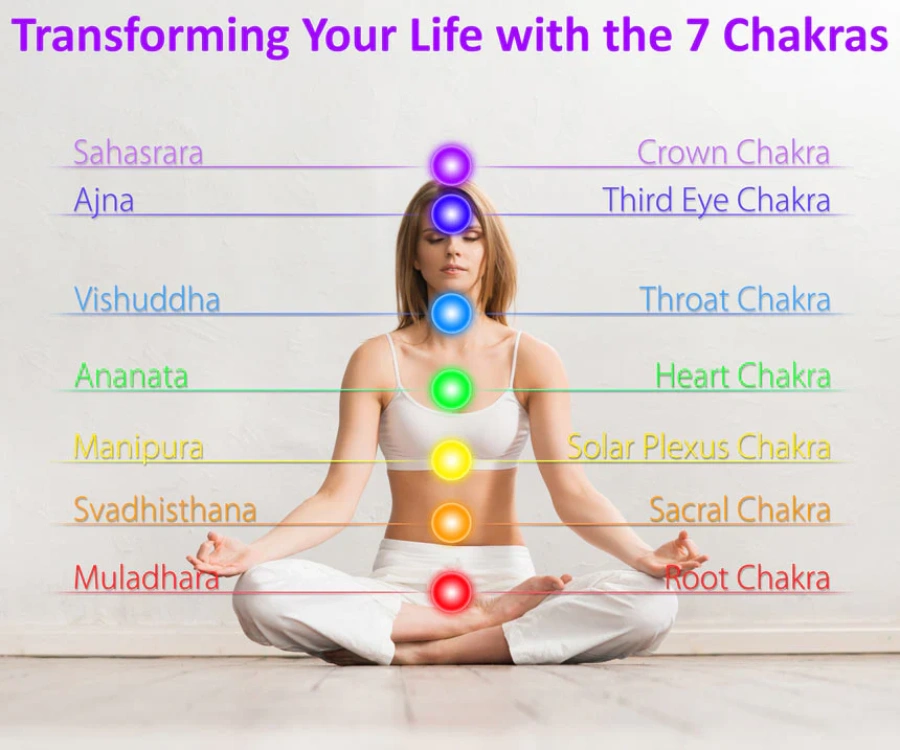
Hatha yoga emphasizes physical alignment and holding poses.
You'll spend time perfecting each asana, often staying in positions for several breaths while your teacher adjusts your form.
The pace difference:
Hatha classes move slowly and deliberately. You might practice 15-20 poses in an hour, focusing on proper technique and body awareness.
Kundalini takes the opposite approach—rapid, repetitive movements combined with powerful breathing techniques.
Energy vs alignment:
Where Hatha asks "Is your knee aligned with your ankle?" Kundalini asks "Can you feel energy moving up your spine?"
Hatha builds strength and flexibility through sustained holds. Kundalini generates heat and energy through dynamic repetition.
Think of Hatha as yoga's classical music—measured, precise, methodical.
Kundalini is more like jazz—spontaneous, energetic, transformative.
Both are valuable, but they serve different purposes in your practice journey.
Kundalini vs Vinyasa Yoga
Vinyasa yoga flows from one pose to the next, synchronized with breath.
It's often called "flow yoga" because movements connect seamlessly, like a choreographed dance.
The flow factor:
In Vinyasa, you move through Sun Salutations and creative sequences. Each inhale or exhale triggers a new posture.
Kundalini uses repetitive movements instead—you might pump your arms overhead 108 times while practicing Breath of Fire.
Different intentions:
Vinyasa builds cardiovascular fitness and muscular endurance. It's an active meditation where movement becomes the focal point.
Kundalini yoga uses movement as a tool for energetic transformation. The physical challenge serves the spiritual goal of kundalini awakening.
Vinyasa practitioners often love the athletic challenge and creative sequencing.
Kundalini practitioners seek consciousness expansion and energetic shifts that go beyond the physical body.
If you're already taking a 500 hour yoga teacher training or have completed your 200 hour teacher training yoga alliance certification, you'll notice how Vinyasa and Kundalini teachers receive completely different training in energy work and kriyas.
Kundalini vs Ashtanga Yoga
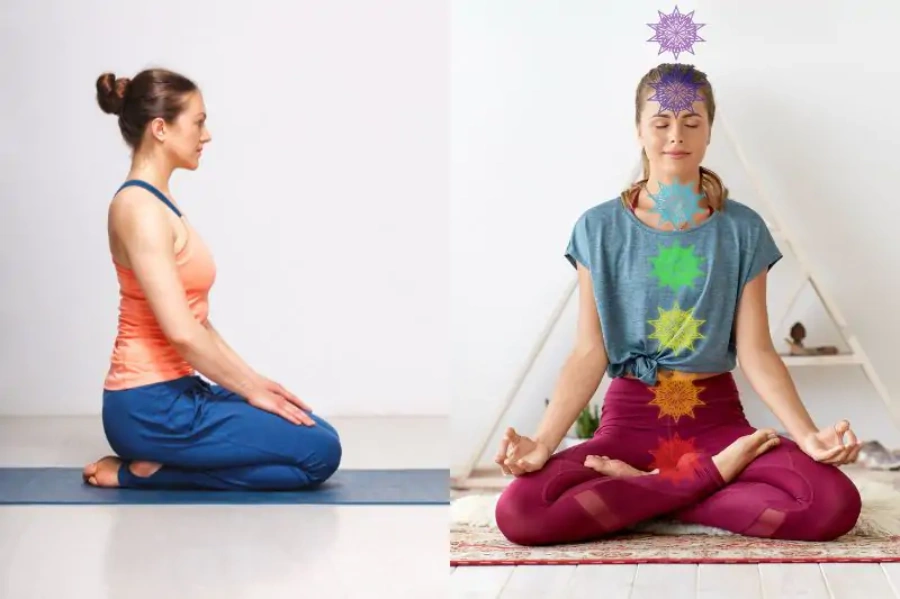
Ashtanga follows a strict, unchanging sequence of poses.
The Primary Series remains identical whether you practice in New York or New Delhi—same poses, same order, every single time.
Structure vs spontaneity:
Ashtanga's rigidity creates mastery through repetition. You'll practice the same 75 poses in the exact same sequence until your teacher determines you're ready to advance.
Kundalini offers thousands of kriyas, each designed for specific purposes. Your teacher selects different sets based on the class's needs.
Physical intensity:
Both styles demand significant physical effort, but differently.
Ashtanga builds incredible strength through challenging arm balances and deep binds. Many practitioners attend ashtanga open practice sessions to refine their technique under a teacher's guidance.
Kundalini creates intensity through rapid repetition and breath retention. Your muscles might shake not from holding Chaturanga, but from 3 minutes of continuous Frog Pose pumps.
The Yoga Sutras of Patanjali (1.14) states: "Practice becomes firmly grounded when well attended to for a long time, without break and in all earnestness."
Ashtanga embodies this through disciplined daily practice of one sequence.
Kundalini applies this principle to energetic cultivation rather than physical perfection.
Kundalini vs Yin Yoga
Yin yoga involves passive, long-held stretches—typically 3 to 5 minutes per pose.
You'll use props to support your body while gravity does the work, targeting deep connective tissues.
Active vs passive:
Yin embraces complete stillness and surrender. You might spend an entire yin yoga class holding just 8-10 floor-based poses.
Kundalini rarely holds still. Even seated meditations often include mudras (hand gestures), breath patterns, or mantra repetition.
Energetic approaches:
Yin works with meridians from Traditional Chinese Medicine, releasing blocked chi through sustained compression.
Kundalini yoga focuses on chakras and nadis from yogic tradition, activating kundalini shakti through dynamic practice.
Mental states:
Yin creates spaciousness and introspection. Your mind settles as your body releases.
Kundalini generates breakthrough moments and energetic shifts. Your mind might race as kundalini energy activates.
Both practices access altered states of consciousness, but through opposite methods—one through stillness, one through intensity.
If you're exploring holistic wellness practices, you might also appreciate how modern ayurveda wellness principles complement both Yin and Kundalini approaches.
When Should You Choose Kundalini?
Choose kundalini yoga when physical fitness isn't your primary goal.
This practice serves people seeking spiritual development, energetic healing, or consciousness expansion.
Ideal situations for kundalini:
You feel stuck in life patterns and want breakthrough transformation. Kundalini's powerful kriyas can catalyze significant personal change.
You're interested in meditation but find sitting still impossible. Kundalini's active meditations provide entry points for restless minds.
You want to understand your energetic body beyond physical sensations. Kundalini teachings explain chakras, nadis, and subtle energy in practical detail.
When kundalini makes sense:
Dr. Shannahoff-Khalsa, who has published extensive research on kundalini's effects, found this practice particularly effective for anxiety, obsessive-compulsive disorder, and addiction recovery.
You're experiencing a spiritual awakening and need guidance. Kundalini teachers understand consciousness shifts that other yoga instructors might dismiss.
You want to combine physical practice with mantra and meditation. Starting your day with morning meditation sessions naturally complements kundalini's holistic approach.
The timing factor:
Many practitioners discover kundalini after years in other styles. They've built physical strength and flexibility, and now seek deeper meaning.
However, beginners can absolutely start with kundalini—contrary to common myths, you don't need advanced flexibility or prior yoga experience.
Can You Combine Different Yoga Styles?

Yes, combining yoga styles creates a well-rounded practice.
Most experienced yogis practice multiple styles, drawing different benefits from each.
Complementary combinations:
Kundalini + Hatha gives you energetic activation plus proper alignment understanding. Your kundalini practice becomes safer with solid alignment knowledge from Hatha.
Kundalini + Yin balances intense activation with deep restoration. Practice kundalini in the morning for energy, Yin in the evening for release.
Kundalini + Vinyasa develops both energetic awareness and physical conditioning. You'll build strength in Vinyasa while developing sensitivity to subtle energy in kundalini.
Weekly balance example:
Monday/Wednesday/Friday: Kundalini for spiritual practice
Tuesday/Thursday: Vinyasa or Ashtanga for physical fitness
Saturday: Yin for deep restoration
Sunday: Extended kundalini meditation and sounds to heal sessions
Teacher training perspective:
If you're pursuing a yoga teacher training or considering a 300 hour yoga teacher training after completing your foundational certification, many programs now encourage cross-training in multiple styles.
This creates more versatile teachers who understand different student needs.
One caution:
Don't practice kundalini and then immediately jump into intense physical yoga. Kundalini awakening creates heightened sensitivity—give yourself transition time before demanding physical practice.
The ancient Shiva Samhita (Chapter 5, Verse 134) advises: "The yogi should practice in a clean pleasant place, free from stones, fire and water, where sound and other causes of distraction do not exist."
This wisdom applies to combining practices—create clear boundaries between different energy states.
Who Should Practice Kundalini Yoga?
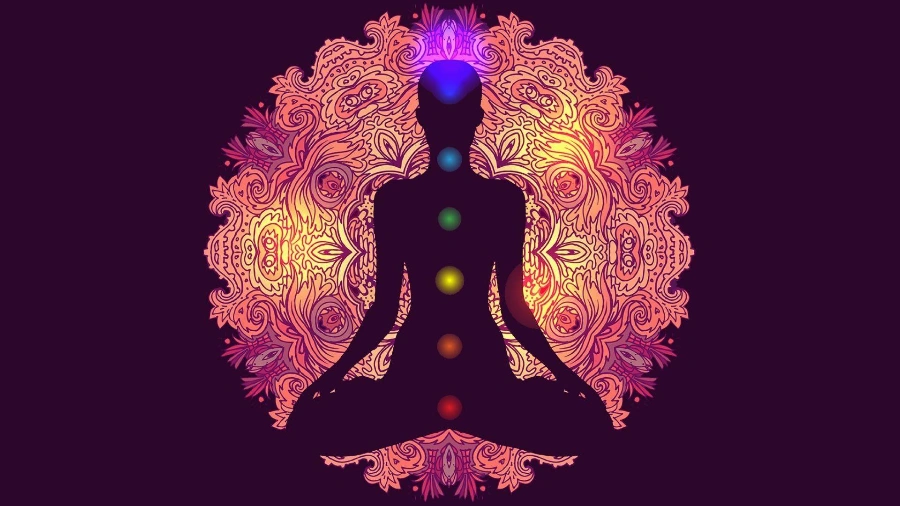
Kundalini works beautifully for specific personality types and life situations.
Perfect candidates:
Spiritual seekers who want direct experience beyond intellectual understanding. Kundalini provides tangible energetic experiences rather than philosophical concepts.
People recovering from trauma or addiction. The practice helps regulate the nervous system and break destructive patterns. Dr. David Shannahoff-Khalsa's research demonstrates kundalini's effectiveness for PTSD and substance abuse recovery.
Those experiencing life transitions—career changes, relationship endings, identity shifts. Kundalini helps navigate uncertainty by connecting you to inner wisdom.
Personality traits that align:
You're open to non-rational experiences. Kundalini involves energy sensations, visions, and consciousness shifts that don't fit Western scientific frameworks.
You enjoy ritual and ceremony. The white clothing, head coverings, Sanskrit mantras, and specific sequences appeal to you rather than feeling restrictive.
You want community and tradition. Kundalini as taught by Yogi Bhajan has clear lineage, extensive teachings, and strong global community.
Life stage considerations:
People in their 30s-50s often gravitate toward kundalini. You've achieved external success but sense something missing internally.
Younger practitioners benefit too, especially those feeling disconnected in our hyperconnected digital world.
Many students also explore ayurveda courses alongside kundalini practice, as both systems work with energy channels and constitutional balance.
Who Should Avoid Kundalini Practice?
Certain conditions require caution or complete avoidance of kundalini yoga.
This isn't about fear—it's about responsible practice and realistic self-assessment.
Medical contraindications:
Active psychosis or schizophrenia. Kundalini can intensify dissociative states and make grounding difficult. The powerful breathing techniques affect brain chemistry in ways that can destabilize vulnerable individuals.
Severe bipolar disorder during manic phases. The energizing effects of kundalini practice can exacerbate mania. Wait for stable periods before beginning.
Recent surgery or acute injuries. The vigorous movements and intense breathing patterns stress healing tissues. Focus on gentle Hatha or restorative practices instead.
Psychological considerations:
People who need complete control at all times. Kundalini awakening involves surrendering to energetic processes you cannot intellectually manage.
Those with unprocessed trauma who aren't in therapy. Kundalini can surface buried emotions rapidly. Have professional support before beginning intensive practice.
Individuals prone to spiritual bypassing. Kundalini shouldn't become an escape from necessary psychological work or practical life responsibilities.
The "why is kundalini yoga dangerous" question:
Kundalini isn't inherently dangerous, but it is powerful. Like electricity, it requires respect and proper understanding.
The risks come from:
• Practicing without qualified instruction
• Pushing too hard too fast
• Lacking grounding practices
• Ignoring warning signs of overwhelm
The Kularnava Tantra warns: "As a man who falls from a rock and is thrown to the ground suffers death or misery, so does the one who speaks about Kundalini without guru's grace."
This traditional caution emphasizes proper guidance, not fear.
When to wait:
If you're currently in crisis, start with gentler practices. Build stability before attempting kundalini activation.
Consider therapy, modern ayurveda wellness consultations, or simpler yoga styles first.
Return to kundalini when you have solid support systems and emotional stability.
Finding Your Perfect Yoga Path
Your ideal practice matches your current life situation, goals, and constitution.
Honest self-assessment:
What do you need most right now—physical fitness, stress relief, spiritual growth, or emotional healing?
Your answer reveals which style serves you best.
The integration approach:
Rather than choosing one style forever, think in phases.
You might practice Vinyasa during your 20s for fitness, transition to kundalini in your 30s for deeper meaning, and incorporate Yin in your 40s for restoration.
Or practice different styles on different days, letting each serve distinct purposes.
Teacher quality matters more than style:
A mediocre kundalini teacher offers less value than an exceptional Hatha instructor. Seek teachers with proper training—those who have completed comprehensive programs through reputable schools offering yoga alliance teacher training certifications.
The experimental mindset:
Try 6-8 classes in each style before deciding. Your first kundalini class might feel strange, your third comfortable, your eighth transformative.
Give practices time to reveal themselves.
Trust your body's wisdom:
Notice how you feel 24 hours after class, not just during. True compatibility shows up in sustained energy, improved mood, and genuine enthusiasm to return.
The right practice calls you back naturally, not through guilt or obligation.
According to Swami Sivananda's teachings in Kundalini Yoga: "Different methods are suitable for different temperaments and stages of evolution."
Your path is uniquely yours—honor that truth.
FAQs
-
What is the difference between Kundalini Yoga and regular yoga?
Kundalini yoga focuses on awakening spiritual energy through specific combinations of movement, breathwork, mantra, and meditation. Regular yoga (typically Hatha or Vinyasa) emphasizes physical postures, alignment, and flexibility. Kundalini treats the body as an energetic system designed for consciousness transformation, while most other styles prioritize physical health and stress relief.
-
What makes Kundalini Yoga different from other styles?
Kundalini's unique elements include kriyas (predetermined exercise sets), powerful breathing techniques like Breath of Fire, extensive use of mantra and chanting, focus on the chakra system and energy channels, and the specific goal of kundalini awakening. Other styles rarely incorporate all these elements or prioritize energetic activation over physical accomplishment.
-
Can beginners safely practice Kundalini Yoga?
Yes, when properly taught. Contrary to myths, kundalini doesn't require advanced flexibility or prior experience. However, beginners should start with qualified teachers, practice gentler kriyas initially, and avoid pushing beyond their capacity. The key is respecting your body's limits while remaining open to energetic experiences that might feel unfamiliar.
-
How often should I practice Kundalini compared to other yoga styles?
Traditional kundalini practitioners commit to 40-day cycles (sadhanas) of daily practice, often just 11-31 minutes. Other styles might recommend 2-3 weekly classes. However, you can practice kundalini 2-3 times weekly while building consistency. Quality and regularity matter more than duration—15 minutes daily creates more impact than occasional 90-minute classes.
-
Can I practice Kundalini if I'm already doing Vinyasa or Hatha?
Absolutely. Many yogis combine styles successfully. Practice Vinyasa or Hatha for physical conditioning and kundalini for spiritual development. Just avoid back-to-back intense sessions—give yourself transition time between practices. Your body needs to integrate the different energetic effects each style produces.