
Kundalini Yoga Practices for Safe Energy Awakening

Kundalini yoga is a powerful system designed to awaken dormant energy within the human body. However, true transformation does not come from doing many techniques—it comes from practicing the right kundalini yoga practices with awareness and consistency. When approached gently, kundalini energy enhances mental clarity, emotional balance, and spiritual growth. When rushed, it can feel overwhelming. That is why foundational practices are essential for beginners and advanced practitioners alike.
If you are new to this path, understanding what kundalini energy really is helps remove fear and confusion before starting practice.
Why Foundational Kundalini Yoga Practices Matter
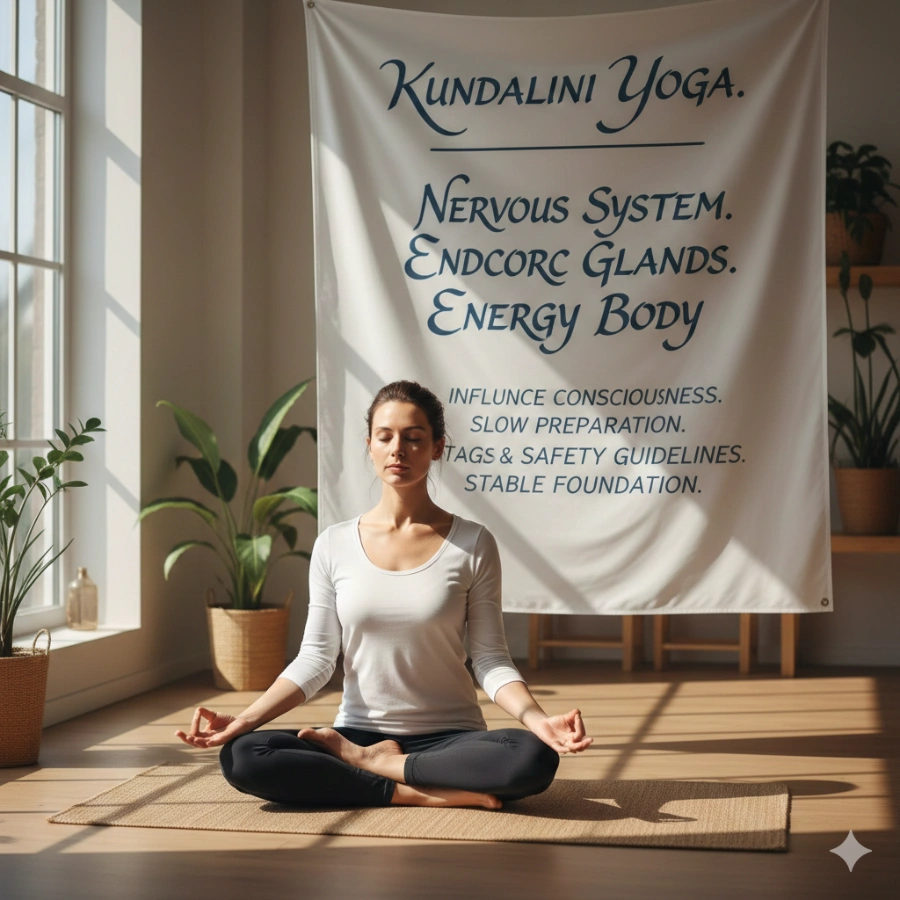
Kundalini yoga works directly with the nervous system, endocrine glands, and subtle energy body. Unlike fitness-based yoga styles, kundalini practices influence consciousness itself. This is why traditional teachings emphasize slow preparation before deeper activation.
Many challenges associated with kundalini awakening arise when people skip the basics. Learning about kundalini awakening stages and safety guidelines creates a stable foundation for long-term growth.
Practice 1: Spinal Flexes (Spinal Energy Activation)
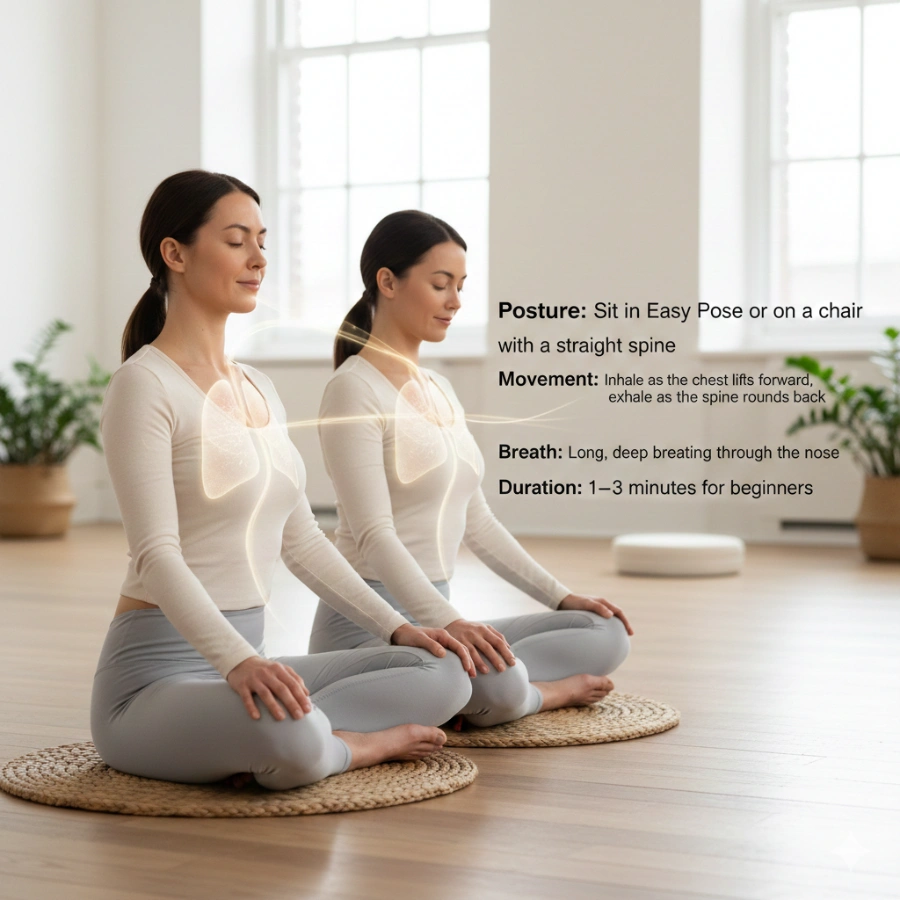
The spine is the primary pathway for kundalini energy. In yogic anatomy, kundalini rises through the sushumna nadi, which runs along the spinal column. Spinal flexes gently awaken this pathway while keeping the nervous system relaxed.
How to Practice
- Posture: Sit in Easy Pose or on a chair with a straight spine
- Movement: Inhale as the chest lifts forward, exhale as the spine rounds back
- Breath: Long, deep breathing through the nose
- Duration: 1–3 minutes for beginners
This practice is commonly used in traditional kundalini kriyas to prepare the body before deeper energy work.
Benefits of Spinal Flexes
- Activates all chakras simultaneously
- Improves spinal flexibility and posture
- Enhances circulation of prana
- Reduces anxiety and mental stagnation
When practiced regularly, spinal flexes create a subtle warmth or tingling along the spine—an indication that energy is flowing smoothly.
Practice 2: Long Deep Breathing (Pranic Stabilization)
Breath is the safest and most powerful tool in kundalini yoga. Long deep breathing regulates prana, calms the mind, and stabilizes kundalini energy before it rises. This practice is especially recommended for beginners.
Unlike intense pranayama techniques, long deep breathing builds energetic capacity gradually and supports emotional balance.
How to Practice
- Posture: Sit comfortably with a straight spine
- Inhale: Expand the belly first, then the chest
- Exhale: Relax the chest, gently draw the belly in
- Duration: 5–11 minutes
This breathing method is often introduced in kundalini yoga for beginners because it creates safety, clarity, and emotional steadiness.
Benefits of Long Deep Breathing
- Balances the nervous system
- Reduces stress and anxiety
- Improves focus and sleep quality
- Prevents energetic overload
How These Two Kundalini Yoga Practices Work Together
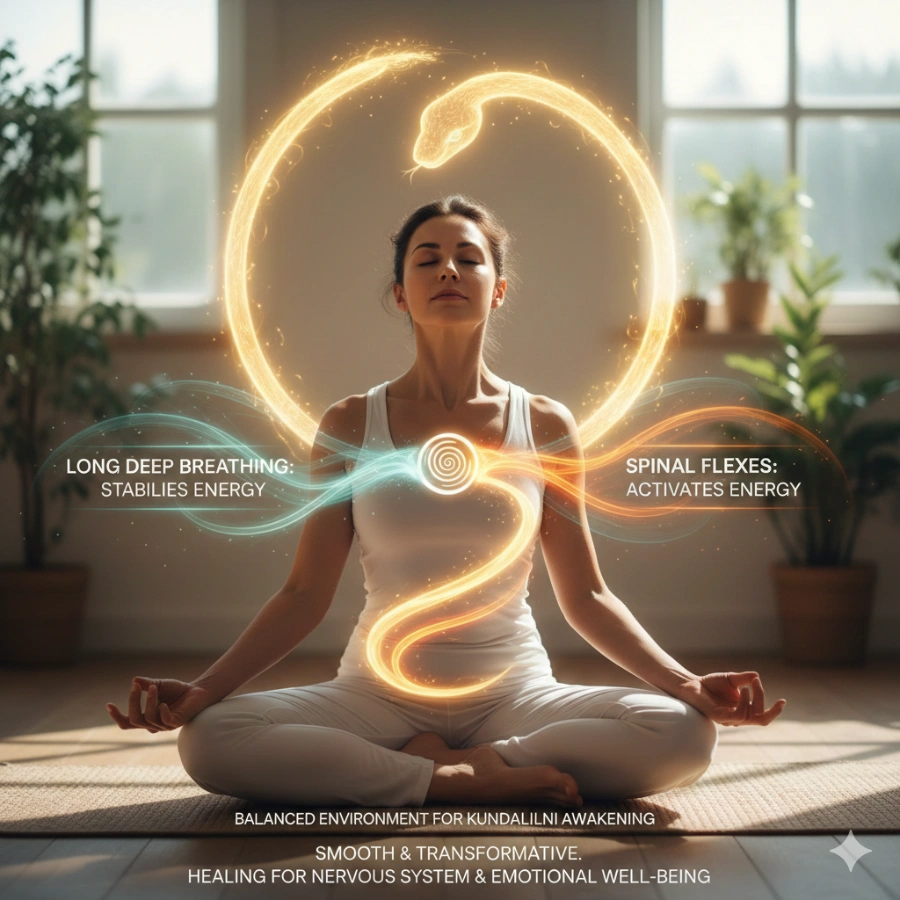
Spinal Flexes activate energy. Long Deep Breathing stabilizes energy. Together, they create a balanced environment for kundalini awakening.
This balance is essential because kundalini energy amplifies whatever is present. When the body and breath are calm, the awakening process becomes smooth and transformative rather than chaotic.
These practices also support the healing effects described in kundalini energy healing, particularly for the nervous system and emotional well-being.
Daily Practice Guidelines
- Practice once daily, preferably in the morning
- Start with short durations and increase gradually
- Maintain a calm, consistent routine
- Avoid practicing when emotionally or physically exhausted
Even 10–15 minutes daily can create noticeable shifts within a few weeks when practiced consistently.
Signs You Are Practicing Correctly
- Increased calm and mental clarity
- Improved breathing awareness
- Gentle energy sensations without discomfort
- Emotional stability and grounding
If discomfort, agitation, or insomnia appears, reduce practice time and focus more on breathing.
Conclusion: Begin Kundalini Yoga with Awareness
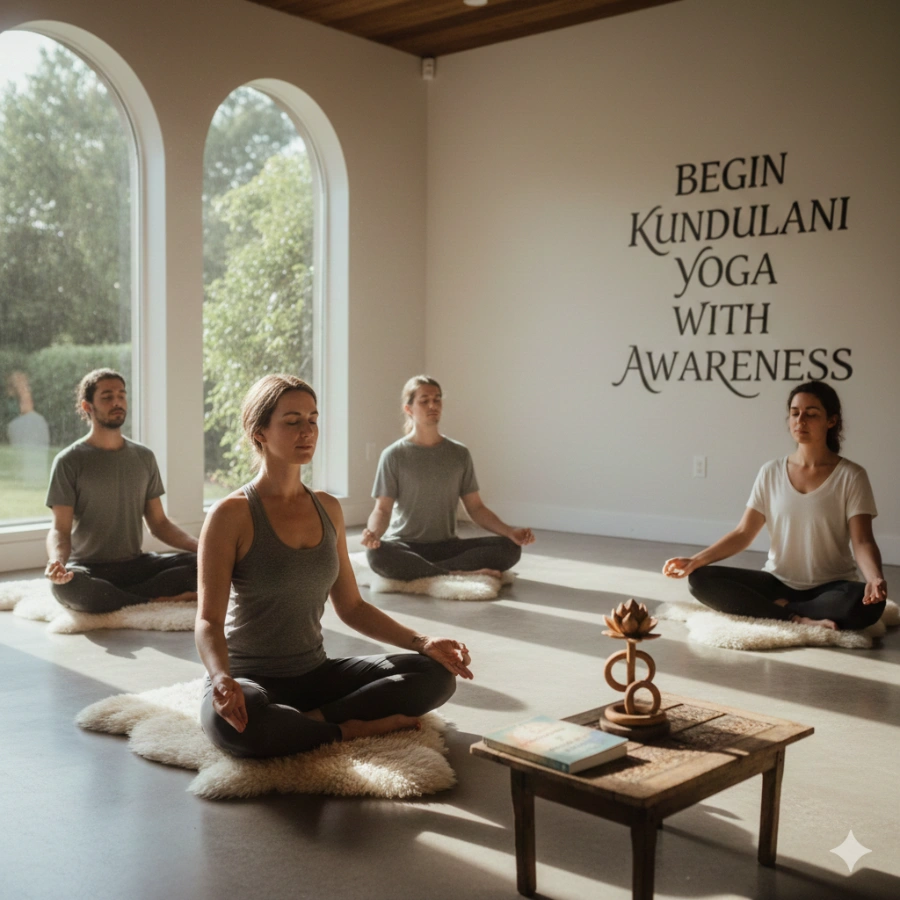
Kundalini yoga is not about chasing dramatic experiences. It is about building a stable, conscious relationship with your own energy. These two kundalini yoga practices—Spinal Flexes and Long Deep Breathing—form the safest and most effective foundation for anyone beginning or refining their journey.
As understanding deepens through study and practice, you may naturally explore more advanced teachings such as how kundalini yoga differs from other yoga styles and how to integrate kundalini awareness into daily life.
FAQs
-
What is the difference between Kundalini Yoga and regular yoga?
Kundalini Yoga differs from "regular" yoga (typically Hatha, Vinyasa, or Ashtanga) in its primary focus and methodology. While most yoga styles emphasize physical postures and alignment, Kundalini Yoga integrates rapid dynamic movements, specific breath patterns, mantra chanting, meditation, and energy work simultaneously. It works directly on the nervous system, glandular system, and energy body to awaken consciousness rapidly. Traditional styles prepare the body gradually; Kundalini Yoga creates faster, sometimes intense transformations.
-
How do I awaken my kundalini?
Awakening kundalini safely requires consistent practice over time, not forced techniques. Begin with foundational practices: establish daily meditation, learn pranayama (especially long deep breathing and alternate nostril breathing), practice specific kriyas under qualified guidance, use mantras to stabilize the mind, and maintain ethical lifestyle choices. Most importantly, find an experienced teacher. Authentic kundalini activation happens naturally through dedicated practice—forcing it through extreme techniques creates imbalances and potential psychological disturbance.
-
What happens during a kundalini awakening?
During kundalini awakening, dormant energy at the spine's base activates and begins rising through the central channel (sushumna nadi). Physical symptoms may include heat or tingling along the spine, spontaneous body movements, changes in breathing patterns, and heightened energy. Emotional effects include releasing suppressed feelings, experiencing intense emotions, or feeling profound peace. Mental changes involve enhanced intuition, altered perception, spontaneous insights, and sometimes temporary confusion as consciousness reorganizes. The experience varies greatly between individuals.
-
Is kundalini awakening rare?
Spontaneous kundalini awakening is relatively uncommon but not extremely rare. Many people experience partial awakenings or glimpses without recognizing them as such. However, sustained, full kundalini awakening that progresses through all chakras systematically is rarer and typically requires dedicated practice. More common are kundalini "risings"—temporary activations that subside. The rarity isn't because kundalini is inaccessible, but because most people don't develop the necessary preparation, sustained practice, and proper guidance required for genuine awakening.
-
Which yoga is best for Kundalini?
Kundalini Yoga (as systematized by Yogi Bhajan or traditional Tantric lineages) is specifically designed for kundalini awakening through targeted kriyas, breathwork, and mantra. However, preparatory practices matter immensely. Hatha Yoga builds physical foundation and body awareness. Yin Yoga releases deep fascial restrictions and teaches surrender. Pranayama-focused practices develop breath control essential for energy work. The "best" approach depends on your current readiness—most people benefit from foundational yoga practice before attempting direct kundalini techniques.