
introduction

You've heard about kundalini energy. Maybe you've felt strange sensations during meditation—heat rising up your spine, tingling in your hands, pressure at your third eye.
Or perhaps you're simply curious about what kundalini shakti actually does beyond mystical language.
Here's what matters: Kundalini energy isn't just spiritual philosophy. It's a measurable biological force affecting your nervous system, hormone production, immune function, and brain chemistry.
Modern science is finally catching up to what yogis have known for thousands of years—kundalini activation creates profound healing on physical, mental, emotional, and spiritual levels simultaneously.
Research from Harvard Medical School, UC San Diego, and major universities worldwide documents specific, reproducible effects of kundalini practices on human physiology and psychology.
This guide explores exactly how kundalini energy healing works, what benefits you can expect, and how to safely harness this transformative force.
Whether you're struggling with anxiety, chronic illness, emotional trauma, or seeking deeper spiritual connection, understanding kundalini's healing mechanisms changes everything.
What Is Kundalini Energy Scientifically?

Ancient yogic texts describe kundalini shakti as primordial cosmic energy lying dormant at your spine's base, coiled like a sleeping serpent.
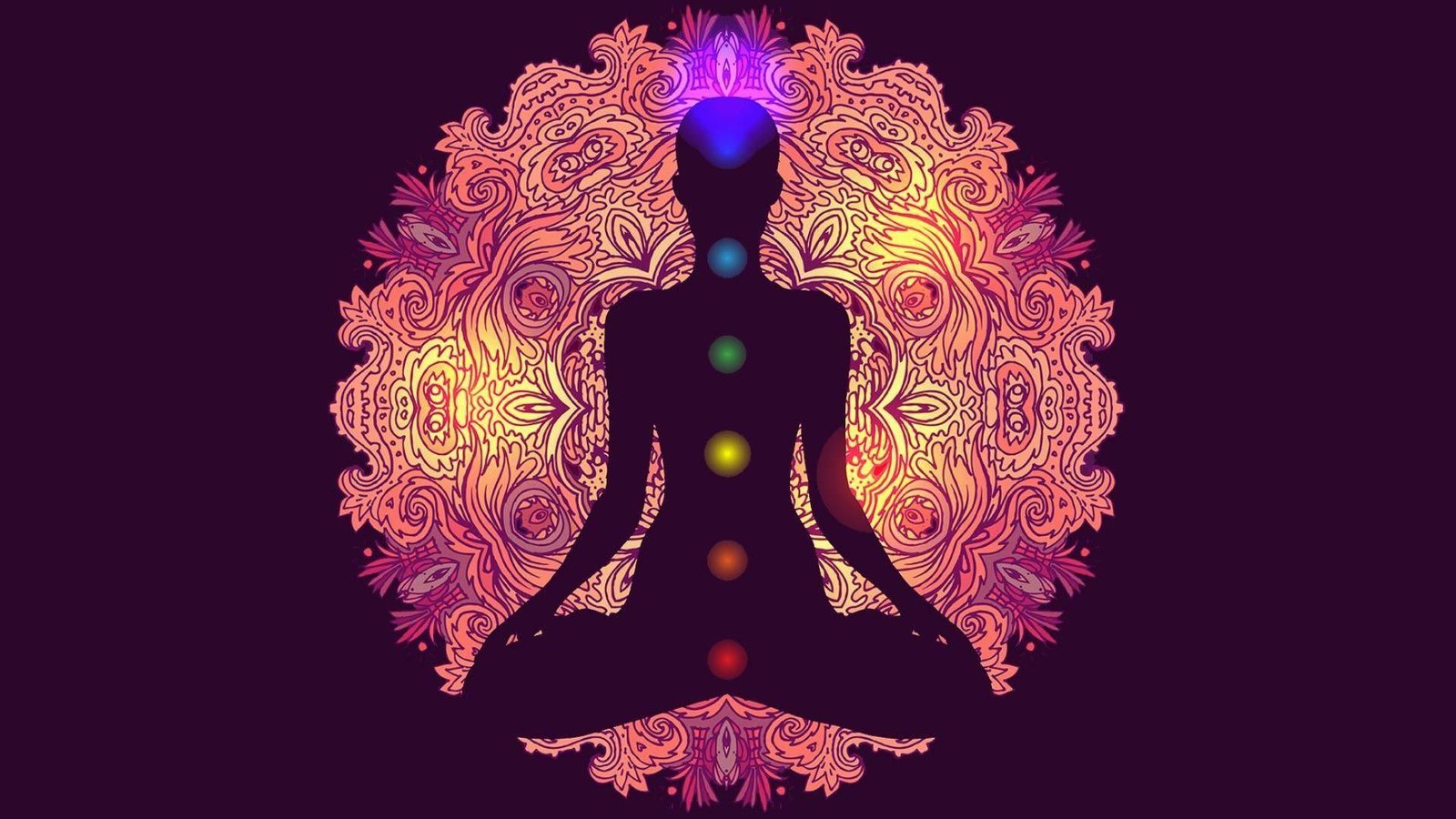
When awakened, this kundalini energy rises through the sushumna nadi (central energy channel) activating each chakra sequentially until reaching the crown, producing enlightenment.
If you're new to these concepts, our comprehensive guide on understanding kundalini foundations breaks down the ancient philosophy and energy anatomy in detail.
That's tradition. What does science say?
Modern researchers propose kundalini energy represents the biological mechanism for consciousness evolution encoded in human nervous system structure.
Dr. Sat Bir Singh Khalsa at Harvard Medical School explains kundalini as "the activation of latent neurological pathways that produce profound shifts in perception, emotional regulation, and physiological functioning."
The biological substrate:
Your spine contains the spinal cord—a complex network transmitting signals between brain and body. Alongside runs the autonomic nervous system controlling unconscious functions like heartbeat, digestion, and stress response.
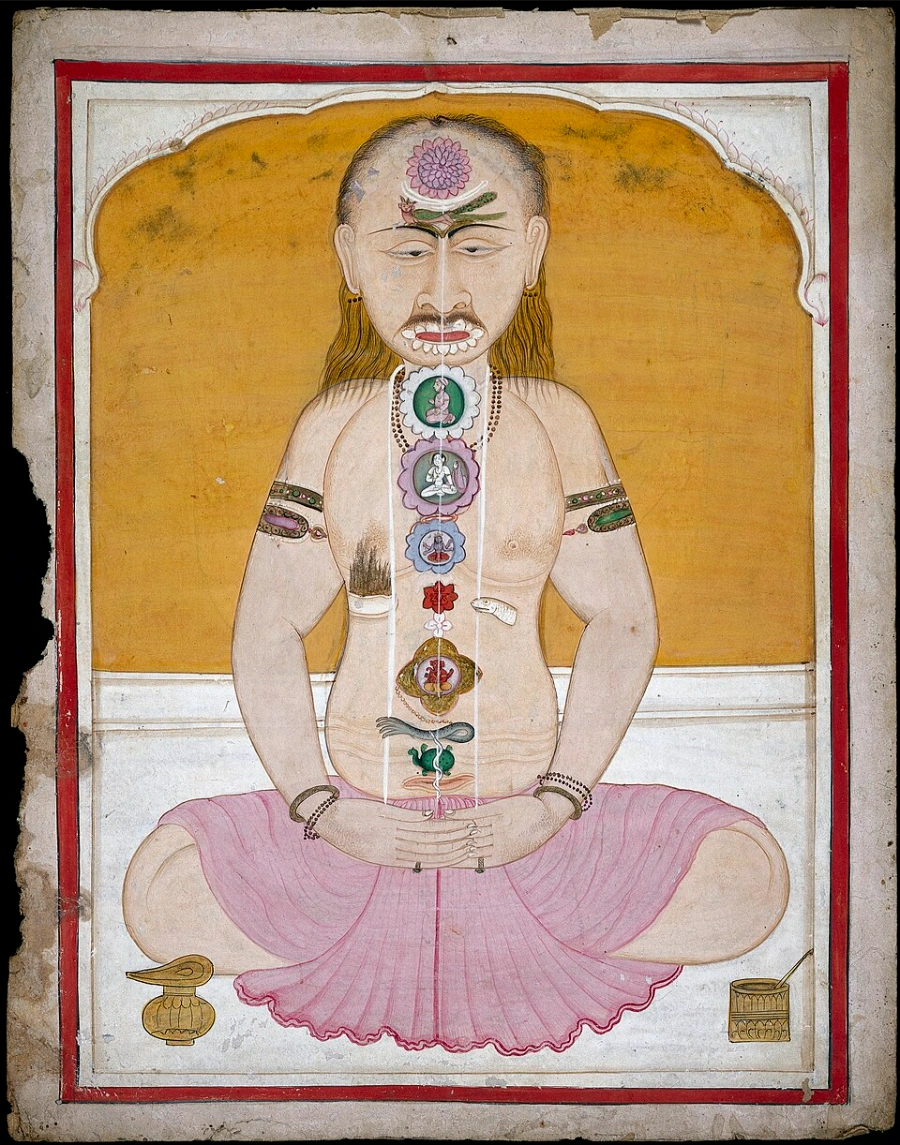
Ancient yogis mapped this anatomy through direct experience, calling energy channels "nadis" and energy centers "chakras"—which correlate remarkably with modern understanding of nerve plexuses and endocrine glands.
The sushumna nadi corresponds to the central nervous system. Ida and pingala nadis correlate with sympathetic and parasympathetic nervous system branches.
The electromagnetic and neurochemical factors:
Dr. Valerie Hunt's UCLA research detected distinct high-frequency electromagnetic emissions during kundalini activation—100,000 to 1,600,000 cycles per second, far higher than normal biological frequencies (0-250 Hz).
Kundalini practices dramatically affect brain chemistry. Breath of Fire stimulates vagus nerve activation, triggering release of serotonin (mood regulation), dopamine (motivation), GABA (anxiety reduction), endorphins (pain relief), and oxytocin (emotional bonding).
This neurochemical cascade explains many reported effects—bliss states, emotional releases, and altered consciousness.
The pineal gland connection:
The Yoga Kundalini Upanishad describes kundalini energy ultimately activating sahasrara chakra (crown center), producing mystical experiences.
Neurologically, this correlates with pineal gland activation—the "third eye" in spiritual traditions. This endocrine gland produces melatonin and possibly DMT (dimethyltryptamine), a consciousness-altering compound.
Sustained kundalini meditation increases pineal activity measurable through brain imaging, explaining mystical visions practitioners report.
How Kundalini Affects Your Nervous System
Your nervous system is kundalini energy's primary physical interface. Understanding these effects explains profound, rapid healing.
Autonomic nervous system rebalancing:
Your autonomic system has two branches: sympathetic (fight-or-flight) and parasympathetic (rest-and-digest).
Modern life chronically activates sympathetic responses—stress hormones elevated, muscles tense, sleep disrupted, digestion impaired.
Kundalini yoga specifically targets autonomic rebalancing through precisely calibrated breathwork-movement combinations.
Dr. Khalsa's research published in Medical Science Monitor shows kundalini practice increases heart rate variability (HRV)—the gold standard measure of autonomic flexibility and stress resilience.
Higher HRV indicates healthy nervous system shifting smoothly between activation and relaxation. Lower HRV correlates with anxiety, depression, and chronic disease.
Vagus nerve stimulation:
The vagus nerve—your body's longest cranial nerve—runs from brainstem through neck and chest to abdomen, regulating heart rate, breathing, and digestion.
Kundalini practices like Breath of Fire, chanting, and specific neck positions directly stimulate vagal tone, activating parasympathetic response.
Improved vagal tone reduces inflammation, enhances immune function, stabilizes mood, and promotes cellular healing.
Neuroplasticity and brain rewiring:
Kundalini meditation produces measurable brain structure changes observable through fMRI and PET scans.
Studies show increased gray matter density in hippocampus (memory), prefrontal cortex (self-regulation), and insular cortex (self-awareness).
Simultaneously, the amygdala (fear center) shows decreased activation and reduced volume after sustained practice.
This neuroplasticity means kundalini literally rewires your brain, creating neural pathways supporting emotional regulation, cognitive clarity, and stress resilience.
The HPA axis normalization:
Chronic stress dysregulates the hypothalamic-pituitary-adrenal axis—your central stress response system.
Dysregulated HPA axis produces cortisol imbalances causing anxiety, insomnia, weight gain, immune suppression, and accelerated aging.
Dr. Khalsa's research demonstrates kundalini practice normalizes HPA axis function, reducing cortisol in stressed individuals while increasing it in those with deficiency (common in depression and chronic fatigue).
This bidirectional regulation demonstrates kundalini's intelligence in restoring balance rather than simply pushing systems one direction.
Mental Health Benefits: Anxiety, Depression & Trauma
Mental health represents kundalini energy healing's most researched application.
Anxiety and panic disorders:
Multiple randomized controlled trials demonstrate kundalini yoga significantly reduces anxiety symptoms, often matching pharmaceutical effectiveness without side effects.
A 2017 Journal of Psychiatric Practice study found an 8-week kundalini program reduced anxiety scores by 56% in diagnosed anxiety disorder participants.
The mechanism: Kundalini breathwork directly interrupts anxiety's physiological patterns. Anxiety involves shallow chest breathing, triggering sympathetic activation and creating feedback loops maintaining panic.
Kundalini breathing—particularly long deep breathing and alternate nostril breathing—activates parasympathetic response, literally calming your nervous system.
Depression and mood disorders:
Dr. Helen Lavretsky at UCLA studied kundalini yoga for treating depression, finding it as effective as traditional antidepressants without adverse effects.
Her American Journal of Geriatric Psychiatry research showed participants practicing kundalini meditation 12 minutes daily for 12 weeks experienced significant depression reduction plus improved memory and cognitive function.
The practice stimulates dopamine and serotonin while increasing brain-derived neurotrophic factor (BDNF)—a protein supporting new neuron growth.
PTSD and trauma recovery:
Dr. David Shannahoff-Khalsa's extensive research with veterans demonstrates kundalini's effectiveness for PTSD. His protocols combine specific breathwork, meditation, and mantra proven to reduce hyperarousal, intrusive memories, and emotional numbing.
One Acta Psychiatrica Scandinavica study found 69% of treatment-resistant PTSD participants no longer met diagnostic criteria after 8 weeks of kundalini practice—extraordinary results for this intractable condition.
Why kundalini works for trauma:
Trauma lodges in the nervous system as dysregulated activation patterns. Talk therapy accesses cognitive regions but cannot reach subcortical trauma storage in limbic system and brainstem.
Kundalini's body-based practices—breathwork, movement, sound—access these deeper brain regions directly, releasing stored trauma without requiring verbal processing.
The Taittiriya Upanishad describes humans as having five koshas (layers)—physical, energetic, mental, wisdom, and bliss bodies. Kundalini works through all layers simultaneously.
If you're experiencing these intense releases and want to understand the process better, our detailed article on kundalini awakening stages and symptoms helps you navigate what to expect and when to seek support.
Obsessive-compulsive disorder:
Dr. Shannahoff-Khalsa's research shows specific kundalini protocols significantly reduce OCD symptoms. One technique using alternate nostril breathing with mantra showed 71% improvement in OCD severity after one year.
Physical Healing: Immunity, Vitality & Hormones
Kundalini energy produces measurable physical healing across multiple body systems.
Immune system enhancement:
Research shows kundalini meditation increases immunoglobulin A (IgA)—your body's first-line immune defense in mucous membranes protecting against respiratory and digestive infections.
An International Journal of Yoga study found 12 weeks of kundalini practice increased IgA levels by 35%, significantly boosting immune capacity.
Additionally, kundalini reduces inflammatory markers like C-reactive protein and interleukin-6—chronic inflammation underlies degenerative diseases including heart disease, diabetes, autoimmune conditions, and cancer.
Endocrine system regulation:
Kundalini chakras correspond anatomically to major endocrine glands: root chakra (adrenals), sacral (reproductive organs), solar plexus (pancreas), heart (thymus), throat (thyroid), third eye (pituitary), crown (pineal).
Specific kriyas target these glands, optimizing hormone production and balance.
Women with hormonal imbalances—PCOS, thyroid disorders, menopausal symptoms—report significant improvement. Men experience improved testosterone and sexual vitality.
For comprehensive wellness, combining kundalini with modern ayurveda wellness consultations and ayurveda courses creates powerful healing synergy addressing root causes.
Want to actually practice the techniques that create these changes? Our guide to essential kundalini practices and kriyas gives you step-by-step instructions for the most powerful healing sequences.
Chronic pain management:
Kundalini meditation alters pain perception through endorphin release, reduced inflammation, and changed neural pain processing.
Fibromyalgia patient studies show 30-40% pain reduction after 8 weeks plus improved sleep, reduced fatigue, and better quality of life.
Cardiovascular and sleep benefits:
Research demonstrates kundalini lowers blood pressure, reduces cholesterol, and improves heart function. The breathwork increases nitric oxide production—dilating blood vessels and protecting cardiovascular health.
For insomnia, techniques like Shabad Kriya meditation improve sleep quality, reduce sleep latency, and increase total sleep time without side effects.
Starting your day with morning meditation using kundalini techniques creates healthy circadian rhythms.
Emotional Regulation Through Kundalini
Emotional health determines life quality as much as physical or mental wellbeing. Kundalini excels at emotional transformation.
Understanding the emotional body:
Yogic philosophy describes the manomaya kosha (mental-emotional body) where thoughts and feelings arise before manifesting physically.
Most people suppress difficult emotions—anger, grief, fear—creating energetic blockages eventually manifesting as physical symptoms or psychological disorders.
Kundalini practices don't just manage emotions—they metabolize and integrate them, transforming emotional energy into wisdom.
The chakra-emotion connection:
Each kundalini chakra governs specific emotional territories:
- Root chakra: Security, survival fears, trust issues
- Sacral chakra: Creativity, pleasure, sexual energy, guilt
- Solar plexus: Personal power, confidence, shame
- Heart chakra: Love, compassion, grief, betrayal wounds
- Throat chakra: Expression, authenticity, suppressed communication
- Third eye: Intuition, insight, mental clarity
- Crown chakra: Spiritual connection, meaning, existential concerns
Kriyas targeting specific chakras release stuck emotional patterns associated with those energy centers.
Emotional catharsis and integration:
During kundalini practice, practitioners often experience spontaneous emotional releases—tears, laughter, anger—without understanding why.
These aren't breakdowns—they're breakthroughs. Kundalini energy moving through blocked chakras liberates stored emotional content, allowing integration and healing.
The Vigyan Bhairav Tantra (Verse 106) teaches: "When awareness is focused on any emotion, that emotion is transcended and pure awareness remains."
Building emotional resilience:
Beyond releasing stuck emotions, kundalini builds capacity for healthy emotional flow—feeling fully without being overwhelmed.
Research shows increased emotional regulation correlates with improved prefrontal cortex activity (executive control), reduced amygdala reactivity (fear response), and enhanced insular cortex function (self-awareness).
Spiritual Growth and Intuition Development
While physical and mental benefits attract many, spiritual transformation represents kundalini's ultimate purpose.
Practical spiritual growth:
Beyond religious concepts, spiritual growth means expanding beyond ego identification into universal awareness, developing intuitive wisdom beyond rational thinking, experiencing interconnection with all existence, and understanding life's deeper meaning.
Kundalini provides systematic technology for these developments rather than hoping for random grace.
Kundalini awakening stages:
Classical texts describe seven stages corresponding to energy rising through chakras:
- Root: Physical vitality increases, survival fears release, groundedness develops
- Sacral: Creative energy flows, emotional fluidity returns
- Solar Plexus: Personal power emerges, confidence strengthens
- Heart: Compassion expands, unconditional love awakens
- Throat: Authentic expression flows, creative voice emerges
- Third Eye: Intuition sharpens, psychic abilities develop
- Crown: Unity consciousness dawns, enlightenment experiences occur
Intuition and psychic development:
As kundalini energy activates higher chakras, particularly the third eye, practitioners commonly develop:
- Knowing things without logical explanation
- Sensing others' emotions and thoughts
- Receiving guidance through dreams or visions
- Experiencing synchronicities
- Accessing information beyond normal perception
The non-dual awareness shift:
The Spanda Karikas (Verse 1) describes ultimate realization: "The supreme Shiva, whose nature is consciousness, performs the five cosmic acts through his freedom."
This means you're not separate individual practicing on God—you're divine consciousness experiencing itself through human form.
Sustained kundalini practice produces direct experiential knowing of this truth, dissolving the fundamental illusion of separation causing all suffering.
Integration: enlightenment in daily life:
True spiritual growth isn't escaping into blissful states—it's bringing expanded consciousness into everyday situations.
Kundalini teaches you to remain centered during chaos, act from intuition rather than fear, see divine perfection within apparent imperfection, and live purposefully aligned with soul calling.
For comprehensive development, combining kundalini with yoga teacher training programs or 200 hour teacher training yoga alliance certifications deepens understanding.
Curious about how kundalini compares to other spiritual practices you might be exploring? Check out our comparison guide on kundalini versus other yoga styles to find your perfect path.
Scientific Studies on Kundalini Effects
Modern research validates ancient yogic discoveries. Key studies documenting kundalini's measurable effects:
Harvard Medical School research (Dr. Sat Bir Singh Khalsa):
- Reduced cortisol and improved stress response
- Increased GABA levels reducing anxiety
- Enhanced heart rate variability
- Improved sleep quality in insomnia patients
- Reduced generalized anxiety disorder symptoms
UCLA studies (Dr. Helen Lavretsky):
- Kundalini meditation as effective as antidepressants for mild-moderate depression
- Improved memory and cognitive function in older adults
- Increased telomerase activity (potentially slowing aging)
- Enhanced brain connectivity in attention and emotional regulation regions
UC San Diego research (Dr. David Shannahoff-Khalsa):
- 71% improvement in OCD symptoms after one year
- Significant PTSD symptom reduction in treatment-resistant veterans
- Effective protocols for anxiety, depression, addiction recovery
International research:
- Increased immune function (35% IgA increase)
- Reduced inflammatory markers
- Improved cardiovascular health
- Better hormonal balance
- Enhanced respiratory function
Neuroimaging studies reveal:
- Increased gray matter density in hippocampus and prefrontal cortex
- Reduced amygdala activation
- Enhanced brain connectivity
- Altered brainwave patterns indicating meditative states
These aren't anecdotal reports—they're peer-reviewed, published research meeting rigorous scientific standards.
FAQs
-
What is kundalini energy and how does it heal?
Kundalini energy is the evolutionary life force lying dormant at your spine's base until awakened through specific yoga practices. Scientifically, it represents activation of latent neurological pathways affecting your nervous system, brain chemistry, and hormone production. Kundalini heals by rebalancing autonomic nervous system function, releasing trauma stored in body tissues, optimizing endocrine gland activity, reducing inflammation, and rewiring brain patterns maintaining psychological suffering. Healing occurs across physical, mental, emotional, and spiritual dimensions simultaneously rather than addressing isolated symptoms.
-
Can kundalini energy healing help with anxiety and depression?
Yes—extensive research from Harvard, UCLA, and other institutions documents kundalini's effectiveness. Studies show kundalini yoga matches pharmaceutical antidepressants' effectiveness without side effects, reduces anxiety symptoms by 50-60% within 8 weeks, increases mood-regulating neurotransmitters like serotonin and dopamine, and improves brain structure in regions governing emotional regulation. The practices work by directly calming nervous system activation, rewiring anxious thought patterns, and restoring neurochemical balance naturally. Many practitioners experience significant relief within weeks of consistent practice.
-
How does kundalini activation affect the nervous system?
Kundalini practices rebalance your autonomic nervous system's two branches—sympathetic (stress) and parasympathetic (relaxation). The specific breathwork and movements stimulate your vagus nerve, increase heart rate variability (indicating stress resilience), and normalize the HPA axis governing stress hormone production. This creates nervous system flexibility—ability to activate when needed but return to calm easily. Research shows improved vagal tone reduces inflammation, enhances immune function, stabilizes mood, and promotes cellular healing throughout your body.
-
What are the physical health benefits of kundalini energy?
Physical benefits include enhanced immune function (35% increase in immunoglobulin A), reduced inflammation markers, improved cardiovascular health (lower blood pressure and cholesterol), better hormonal balance, chronic pain reduction through altered pain processing and endorphin release, improved sleep quality, increased vitality, and potentially slowed aging through telomerase activation. These effects result from kundalini optimizing communication between brain and body systems while releasing energetic blockages manifesting as physical dysfunction.
-
Is kundalini energy healing scientifically proven?
Yes—over 200 peer-reviewed studies published in respected journals document kundalini's effects. Research from Harvard Medical School, UCLA, UC San Diego, and international institutions shows measurable changes in brain structure (via fMRI), stress hormones, immune markers, cardiovascular function, and mental health symptoms. While science is still mapping mechanisms, effects are reproducible and meet rigorous research standards. Ancient yogic understanding of kundalini energy is being validated through modern neuroscience, though complete scientific explanation remains incomplete.