
15 Minutes to a Stronger Back: Your Complete Guide to Back Pain Relief
Your back hurts. Again.
Maybe it started when you bent down to tie your shoes. Or perhaps you woke up with it. The pain sits in your lower back—sometimes on the left, sometimes spreading upward.
The good news? You don’t need hours at the gym or expensive treatments. Just 15 minutes a day of consistent, targeted movement can make a powerful difference.
This guide combines traditional back exercises with therapeutic yoga poses to help relieve pain, strengthen your spine, and prevent future discomfort.
Why Your Back Hurts (And Why It Keeps Coming Back)
Most lower back pain doesn’t come from a single injury. It builds gradually due to poor habits and muscular imbalances.
- Tight hip flexors from prolonged sitting
- Weak core muscles forcing the back to overwork
- Tight hamstrings pulling on the pelvis
- Poor posture and repetitive movements
As spine expert Dr. Stuart McGill explains, constantly changing posture is key to preventing tissue overload.
Why Lower Left Back Pain Happens
Your body isn’t symmetrical. Daily habits like carrying bags on one side or leaning on one hip create imbalances.
Over time, one side compensates for the other, leading to localized pain—often felt in the lower left or right back.
The 15-Minute Daily Routine That Works
Consistency beats intensity. Follow this simple daily routine:
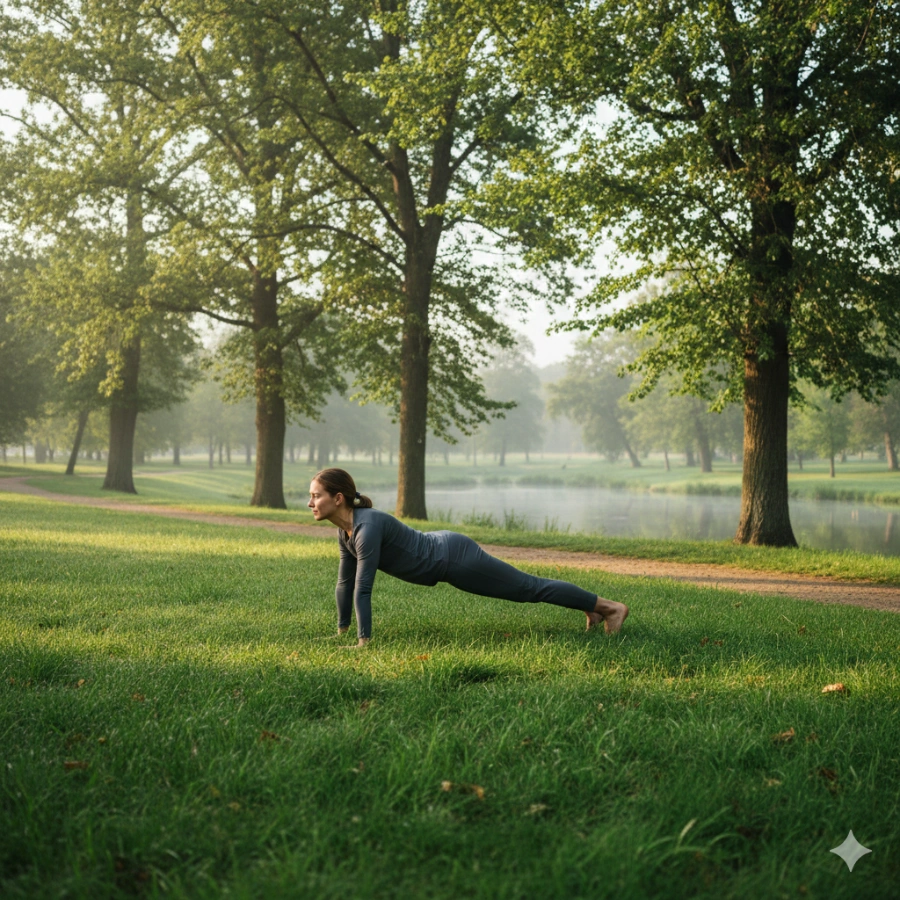
- Minutes 1–5: Cat-cow, gentle twists, hip circles
- Minutes 6–10: Child’s pose, knee-to-chest stretches
- Minutes 11–15: Bridge pose, bird dog, dead bug
Do this every morning to keep your spine mobile, strong, and pain-free.
Stretches for Immediate Lower Back Pain Relief
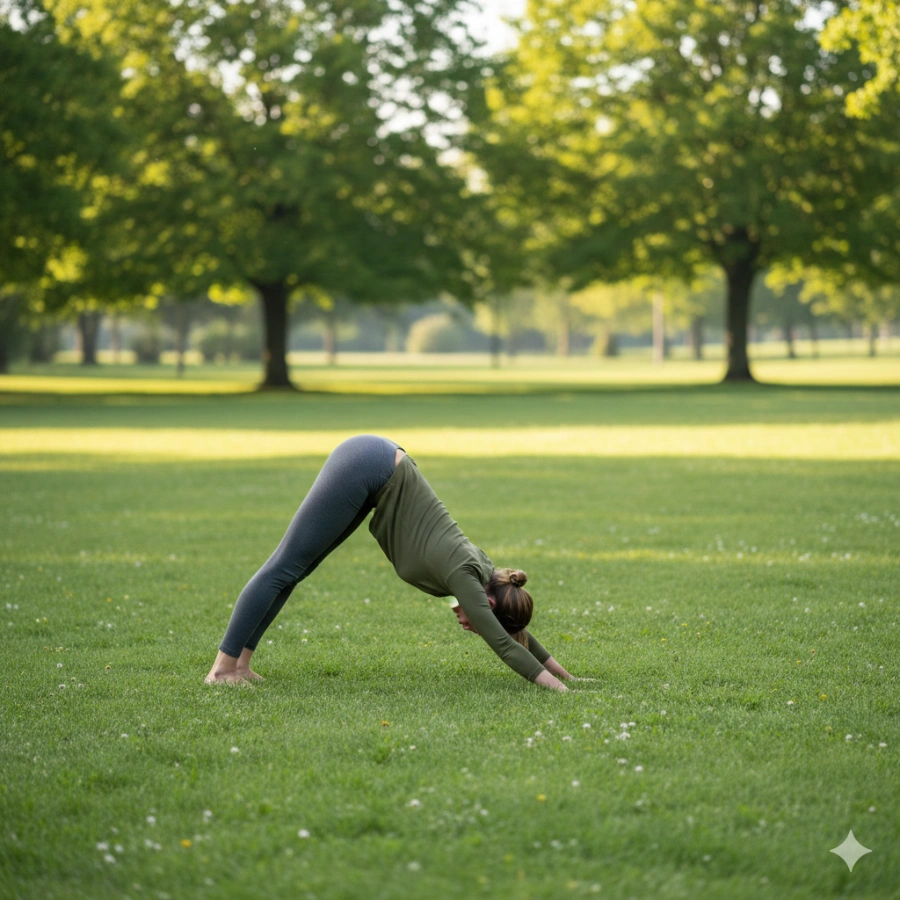
Child’s Pose
Gently decompresses the spine and relaxes back muscles. Hold for 2–3 minutes.
Knee-to-Chest Stretch
Relieves tension in the lower spine and hips. Hold 30 seconds per side.
Cat–Cow Stretch
Improves spinal mobility and circulation. Flow gently for 2 minutes.
Supine Twist
Ideal for one-sided lower back pain. Hold 1–2 minutes per side.
Hip Flexor Stretch
Releases tight hips that often cause lower back strain.
Strengthening Exercises to Prevent Future Pain

Bridge Pose
Strengthens glutes and lower back. Do 3 sets of 10 reps.
Bird Dog
Builds core stability and spinal control. Hold each side for 5 seconds.
Dead Bug
Trains core control while protecting the spine.
Plank
Builds endurance in core muscles that support the spine.
Superman
Strengthens spinal extensor muscles. Hold for 3–5 seconds.
Yoga Poses That Target Back Pain
Downward Facing Dog
Lengthens the entire spine and relieves tension.
Pigeon Pose
Opens hips that often contribute to lower back pain.
Sphinx Pose
Restores natural spinal curvature lost from sitting.
Reclined Spinal Twist
Hydrates spinal discs and relaxes back muscles.
Yoga vs Traditional Exercises: Which Works Best?
The best results come from combining both.
- Exercises: Build measurable strength and stability
- Yoga: Improves flexibility, awareness, and relaxation
A balanced approach supports both physical and mental aspects of back pain.
What to Do When Pain Strikes Suddenly
Follow the PEACE protocol: Protect, Elevate, Avoid anti-inflammatories, Compress, Educate.
Avoid complete bed rest and sharp twisting movements.
Understanding Different Types of Back Pain
- Upper back pain: Usually posture-related
- Lower back pain: Weak core, tight hips
- One-sided pain: Muscle imbalance or compensation
When to See a Doctor
Seek medical help if pain lasts longer than 6 weeks, worsens, or is accompanied by numbness, weakness, or trauma.
Building Your Pain-Free Future
Practice your 15-minute routine at least 5 days a week. Track progress, stay patient, and stay consistent.
Your spine is designed to move—this routine restores what modern life takes away.
Conclusion
Back pain doesn’t have to control your life. With just 15 minutes a day, you can reduce pain, build strength, and move confidently again.
Consistency is everything. Start tomorrow—and your pain-free future begins now.
FAQs
-
What causes lower back pain?
The most common causes include weak core muscles, tight hip flexors, poor posture, prolonged sitting, and muscular imbalances. Most cases aren't from serious injury but from accumulated strain over time.
-
How long does it take to relieve lower back pain with exercises?
Most people notice reduced pain within 1-2 weeks of consistent daily exercise. Significant improvement typically occurs within 4-6 weeks. Chronic pain may take longer but responds well to persistent effort.
-
Can I do these exercises if I'm currently in pain?
Yes, for most cases. Start with gentle stretches only. If an exercise increases your pain, skip it and try again in a few days. Listen to your body—discomfort during stretching is normal, but sharp pain is a signal to stop.
-
Why does my lower left back hurt specifically?
Unilateral pain often results from muscular imbalances, compensatory movement patterns, or localized strain. Check your daily habits—carrying bags on one side, leaning on one hip, or favoring one side during activities can create these imbalances.
-
Are yoga or regular exercises better for back pain?
Both work effectively. Yoga combines stretching, strengthening, and body awareness. Traditional exercises often isolate specific muscles. The best approach includes elements of both—stretching for flexibility and targeted strengthening for stability.
-
What's the best sleeping position for lower back pain?
Side sleeping with a pillow between your knees keeps your spine aligned. If you prefer back sleeping, place a pillow under your knees. Avoid stomach sleeping as it strains your neck and back.